Ingredients,
explained.
Functional Mushrooms
Ancient wisdom, beta-glucans, and the long-game terpenes.
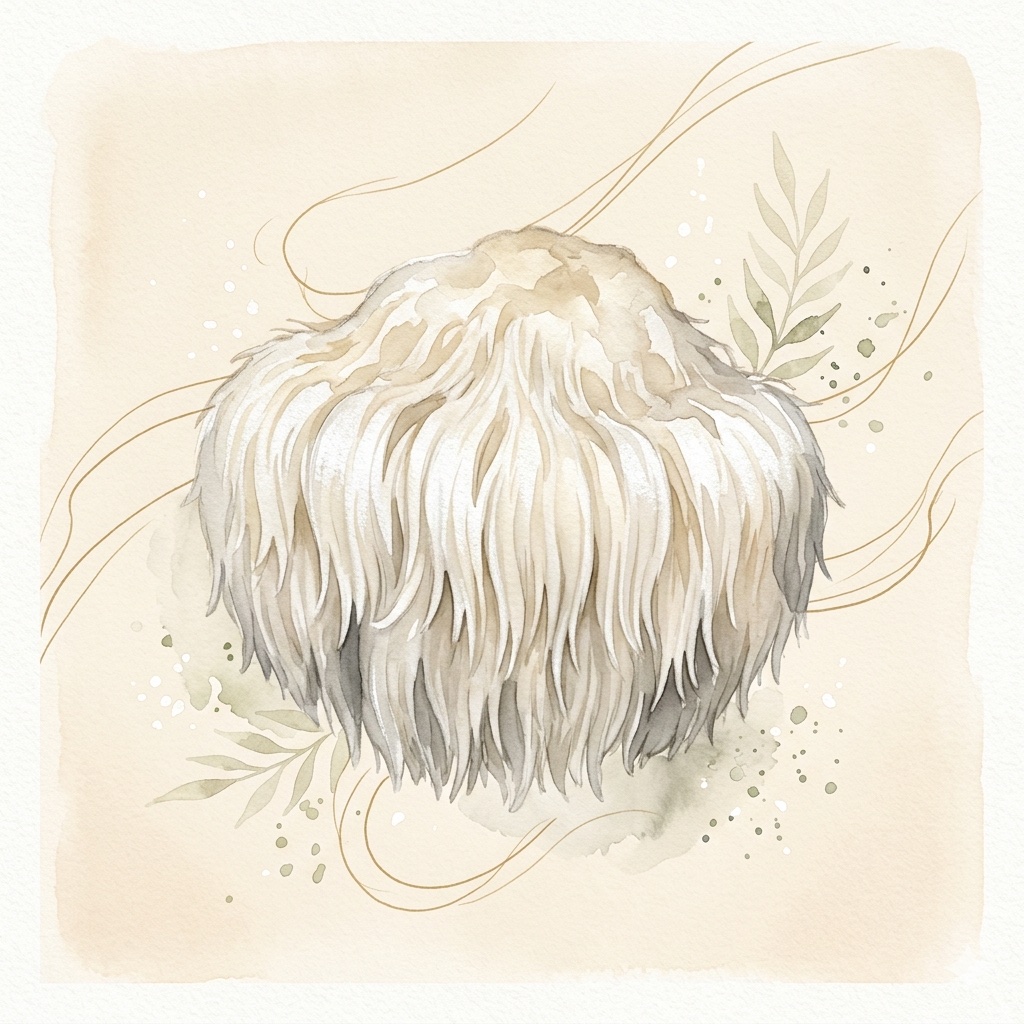
Lion's Mane Mushroom
Hericium erinaceus
A distinctive white, shaggy mushroom used for centuries in traditional Chinese medicine.
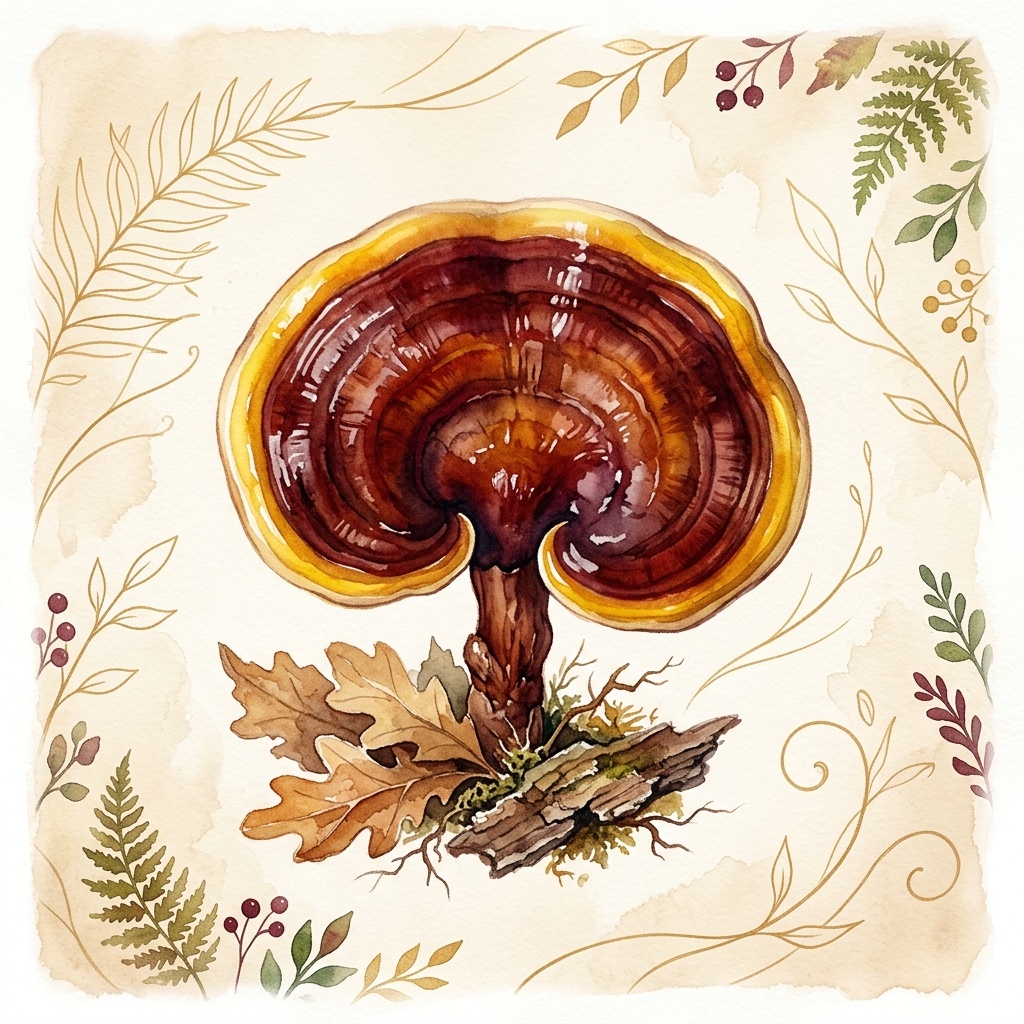
Reishi Mushroom
Ganoderma lucidum
Known as the 'mushroom of immortality' in traditional Chinese medicine, Reishi has been used for over 2,000 years to support longevity and overall wellness.
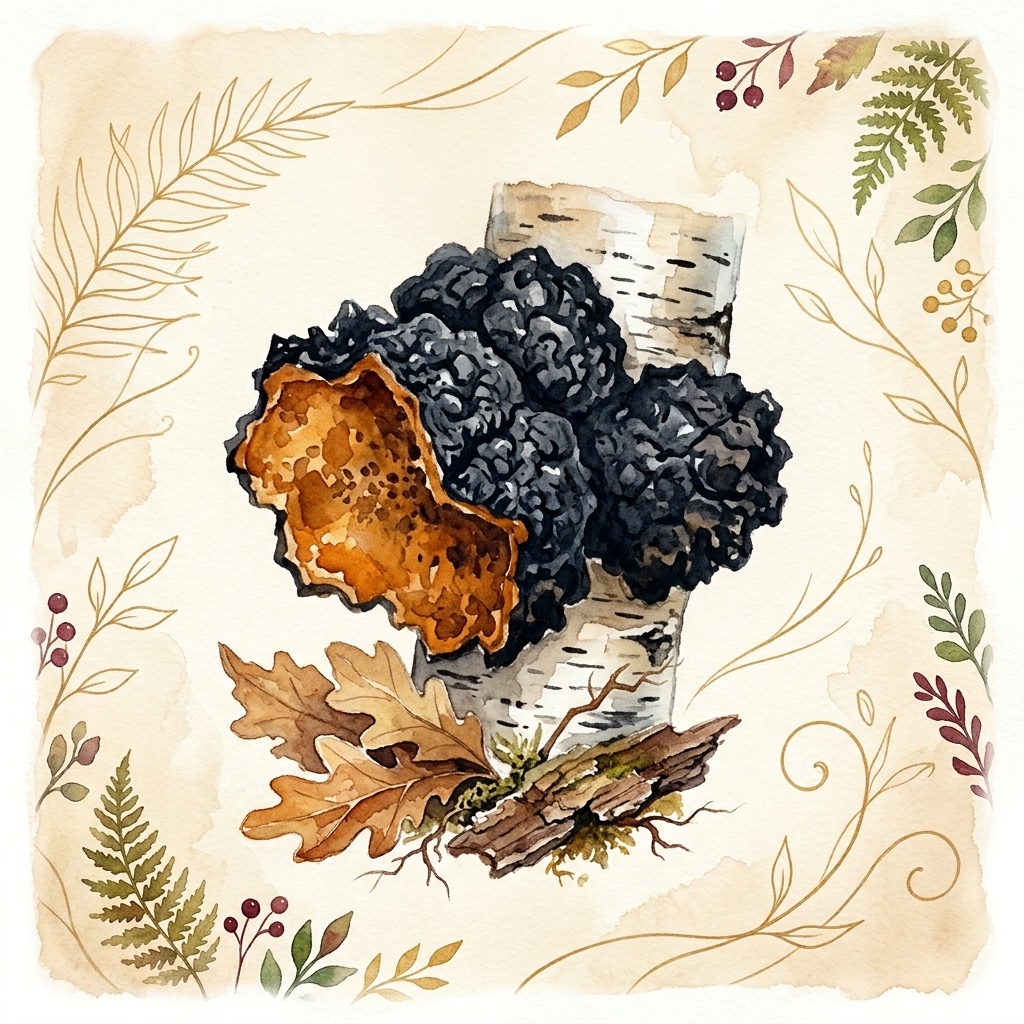
Chaga Mushroom
Inonotus obliquus
A nutrient-dense fungus that grows on birch trees in cold climates.
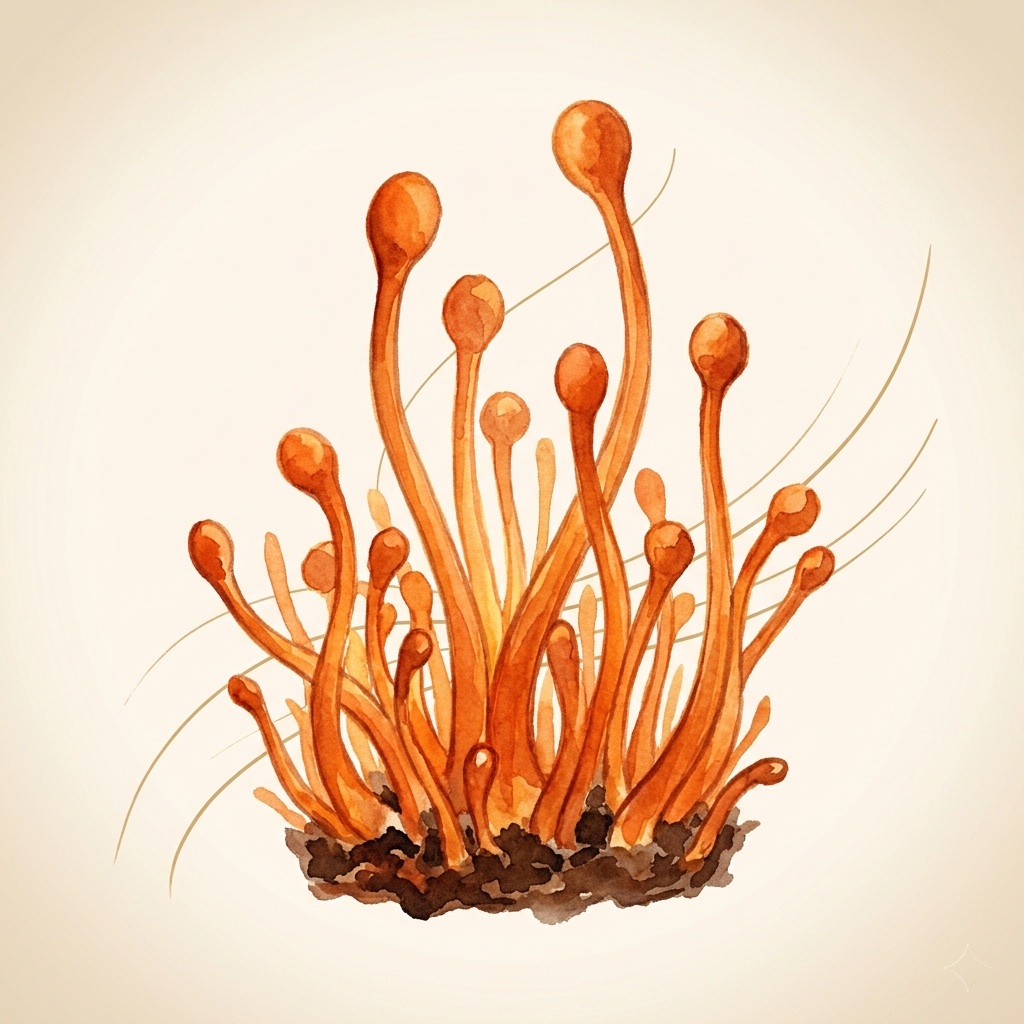
Cordyceps Mushroom
Cordyceps militaris
A unique fungus traditionally used by Tibetan herdsmen and Olympic athletes alike.
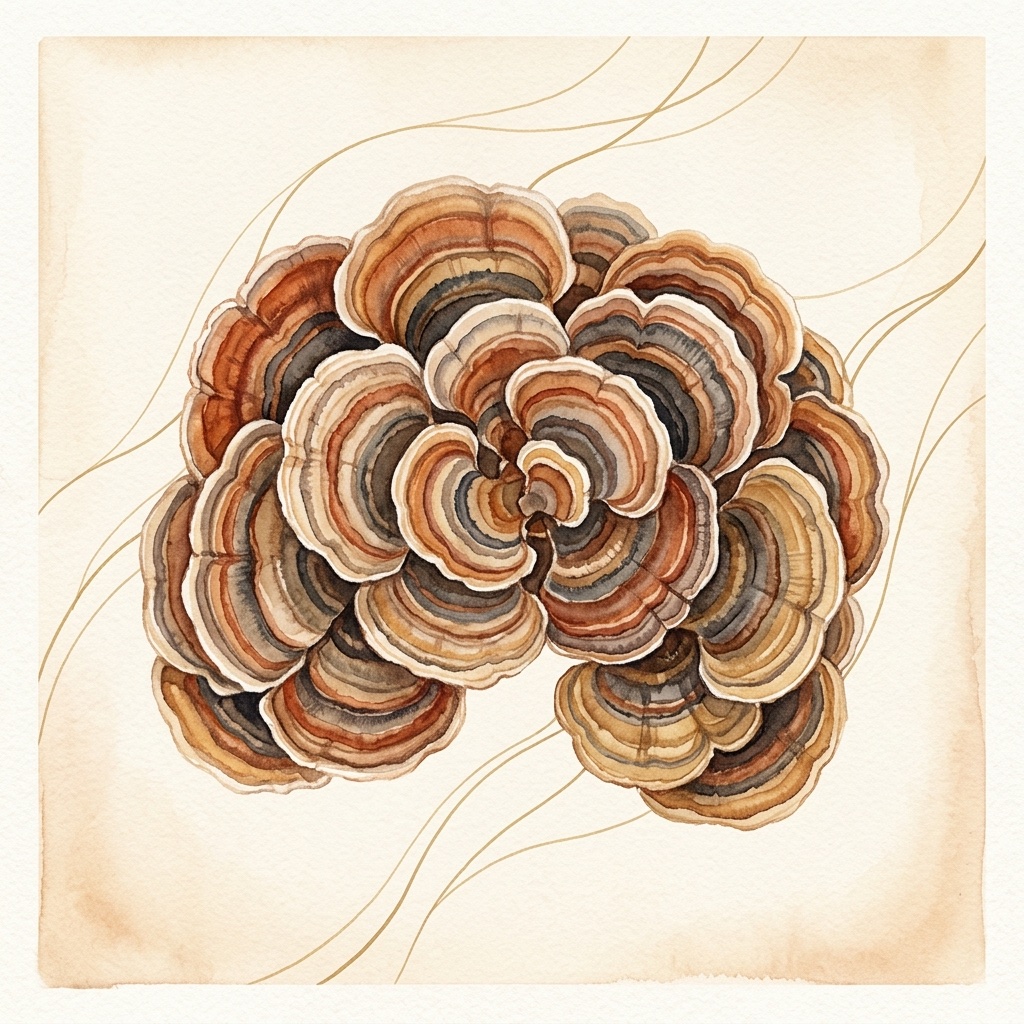
Turkey Tail Mushroom
Trametes versicolor
One of the most researched medicinal mushrooms, named for its colorful, fan-shaped appearance.
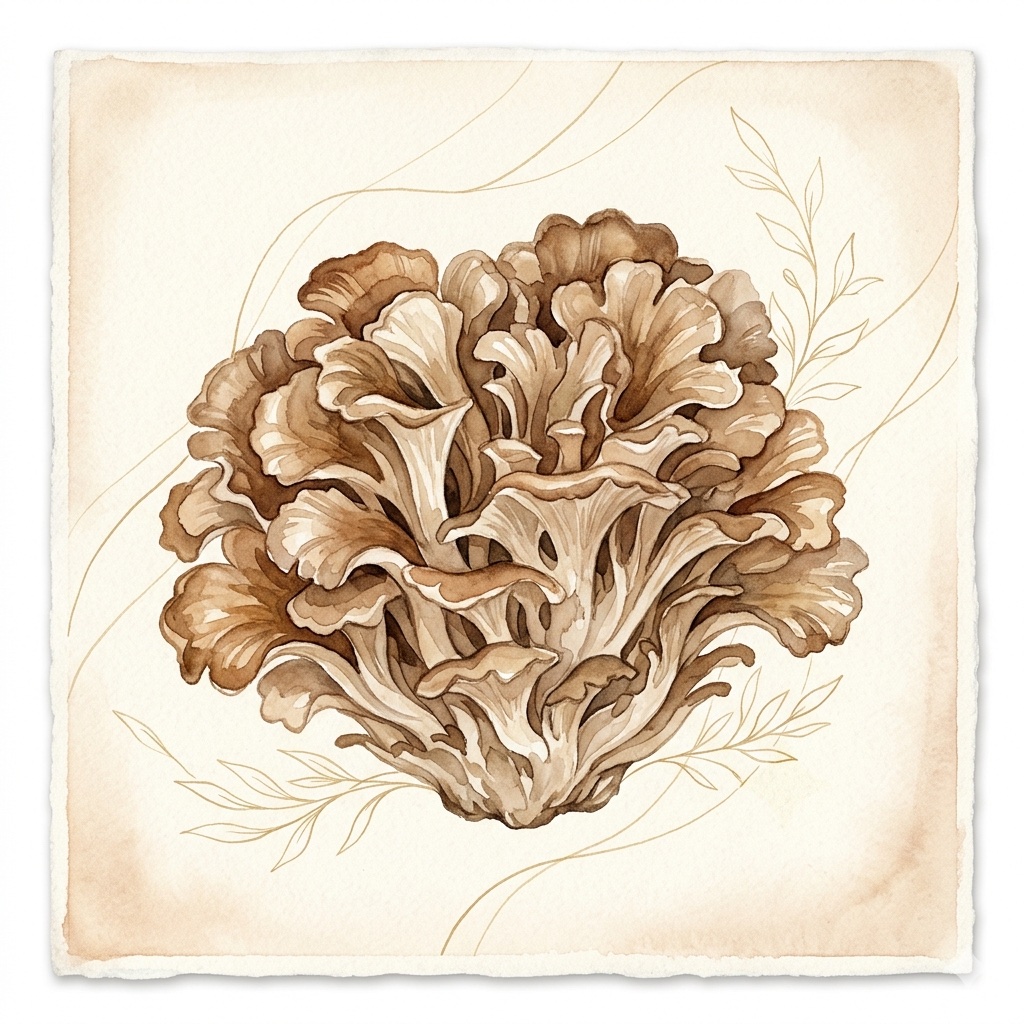
Maitake Mushroom
Grifola frondosa
Known as 'hen of the woods' for its feathery appearance.
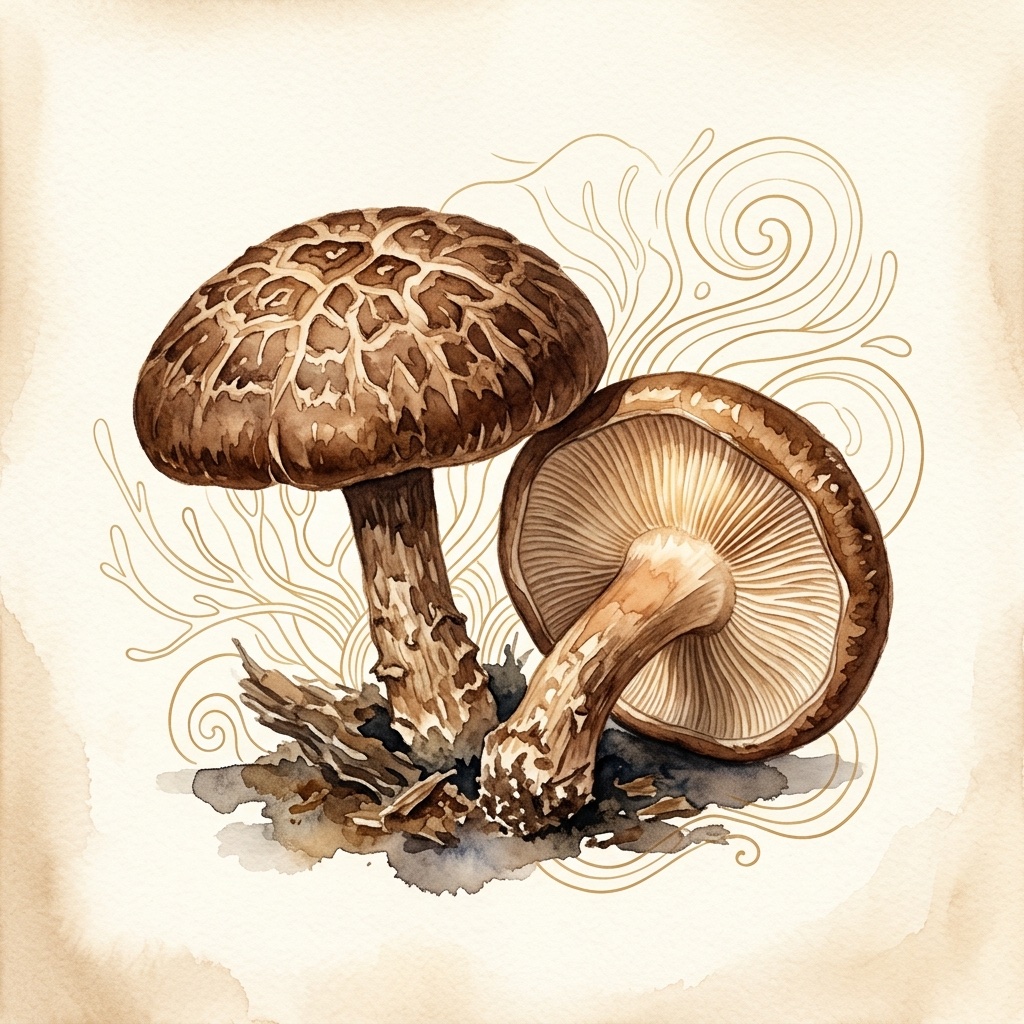
Shiitake Mushroom
Lentinula edodes
The second most cultivated mushroom worldwide, revered in Asian cuisine and traditional medicine for over 1,000 years.
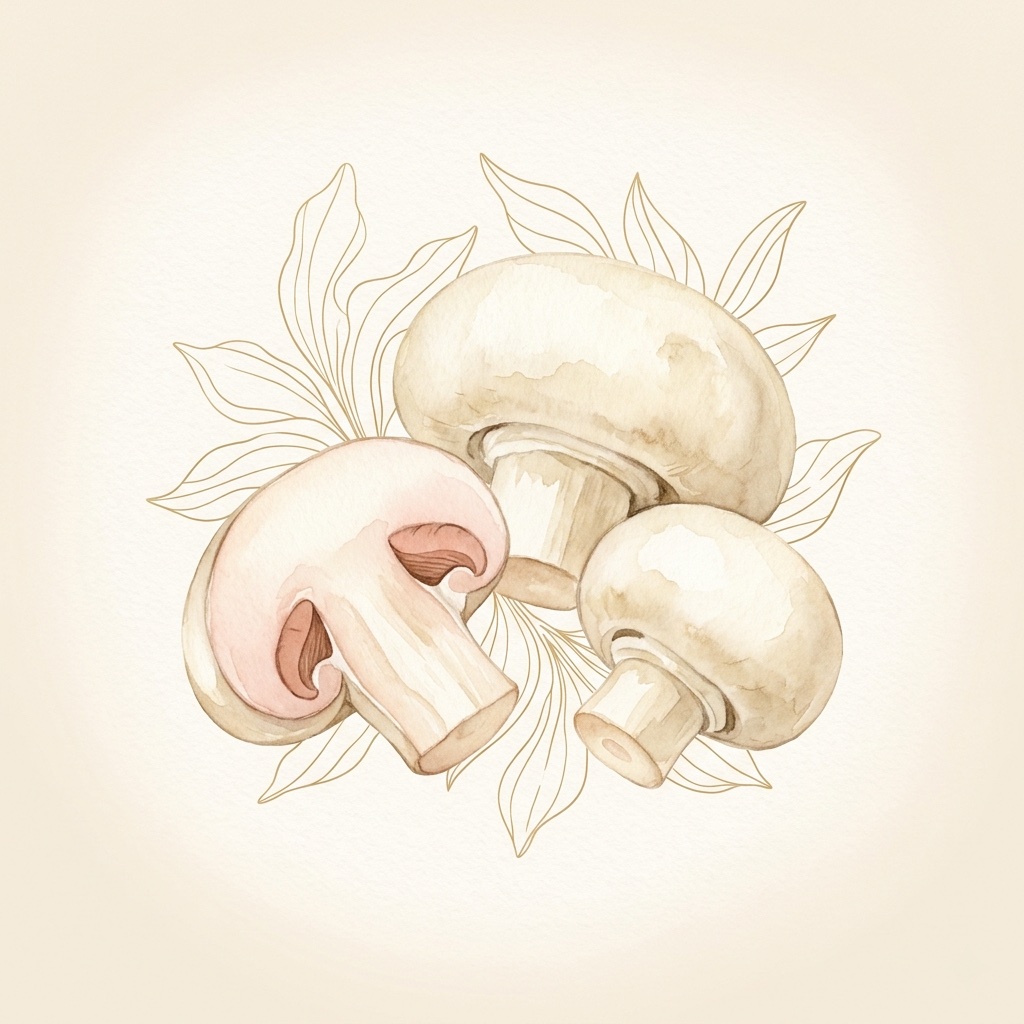
White Button Mushroom
Agaricus bisporus
The world's most commonly consumed mushroom, White Button mushrooms contain unique compounds that support immune function.
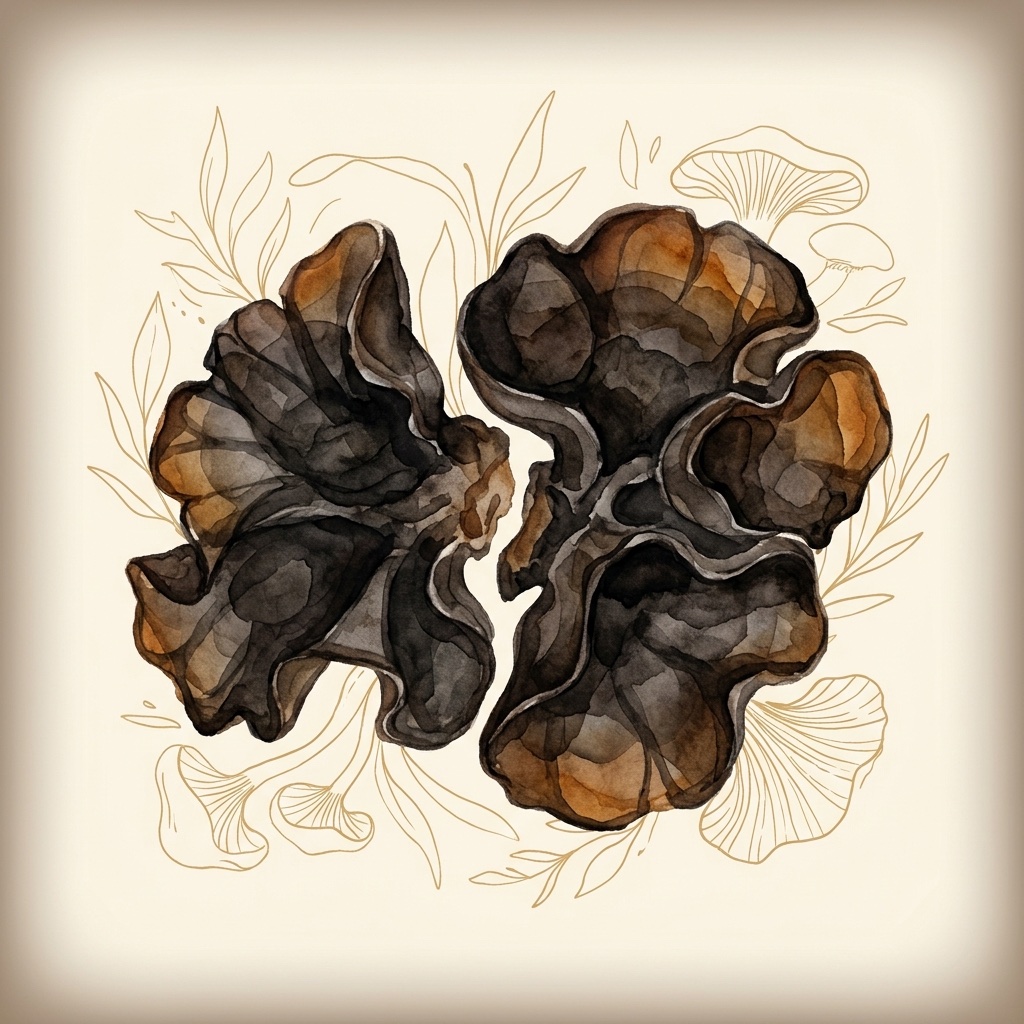
Black Fungus
Auricularia auricula-judae
Also known as Wood Ear or Tree Ear mushroom, Black Fungus has been used in Traditional Chinese Medicine for centuries.
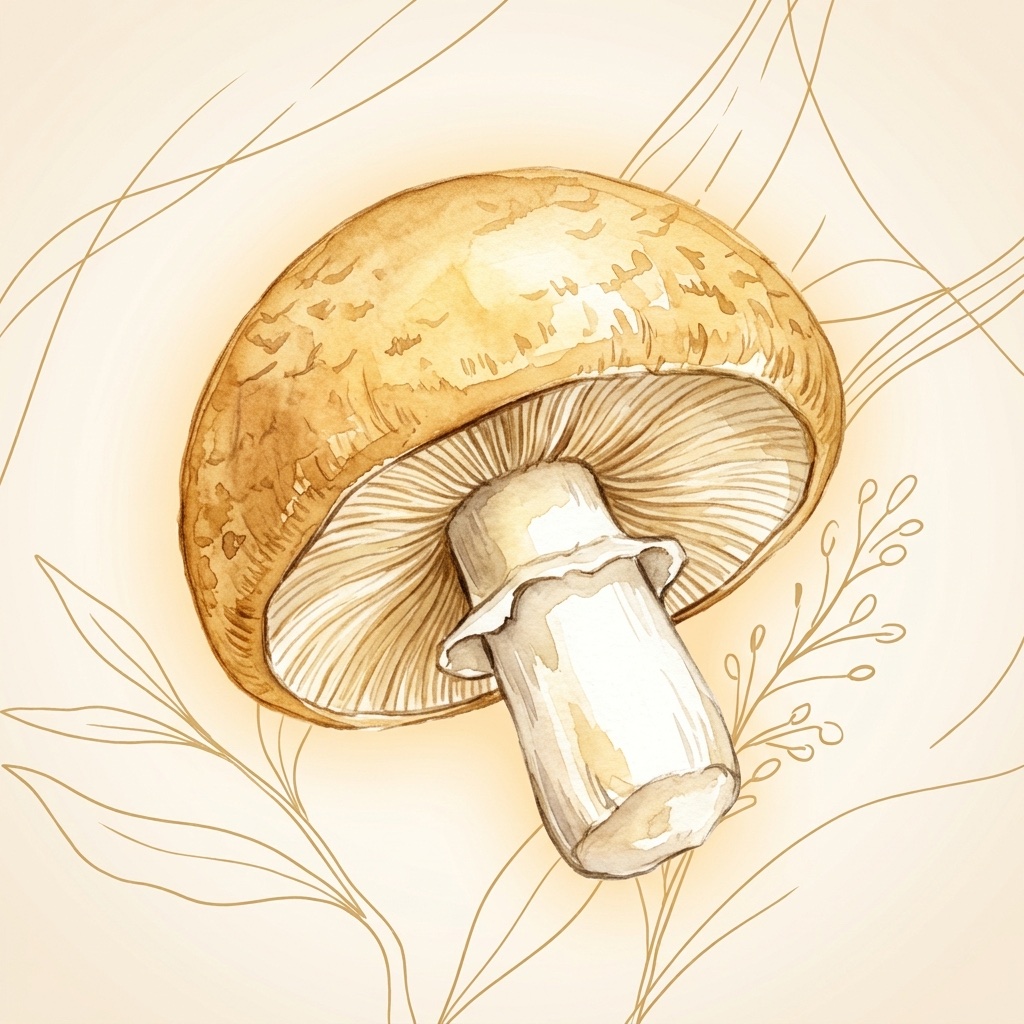
Royal Sun Mushroom
Agaricus blazei
Also called Himematsutake or 'Mushroom of the Sun', this Brazilian mushroom is revered in Japan for immune support.
Adaptogens
Herbs that help your body adapt to stress.
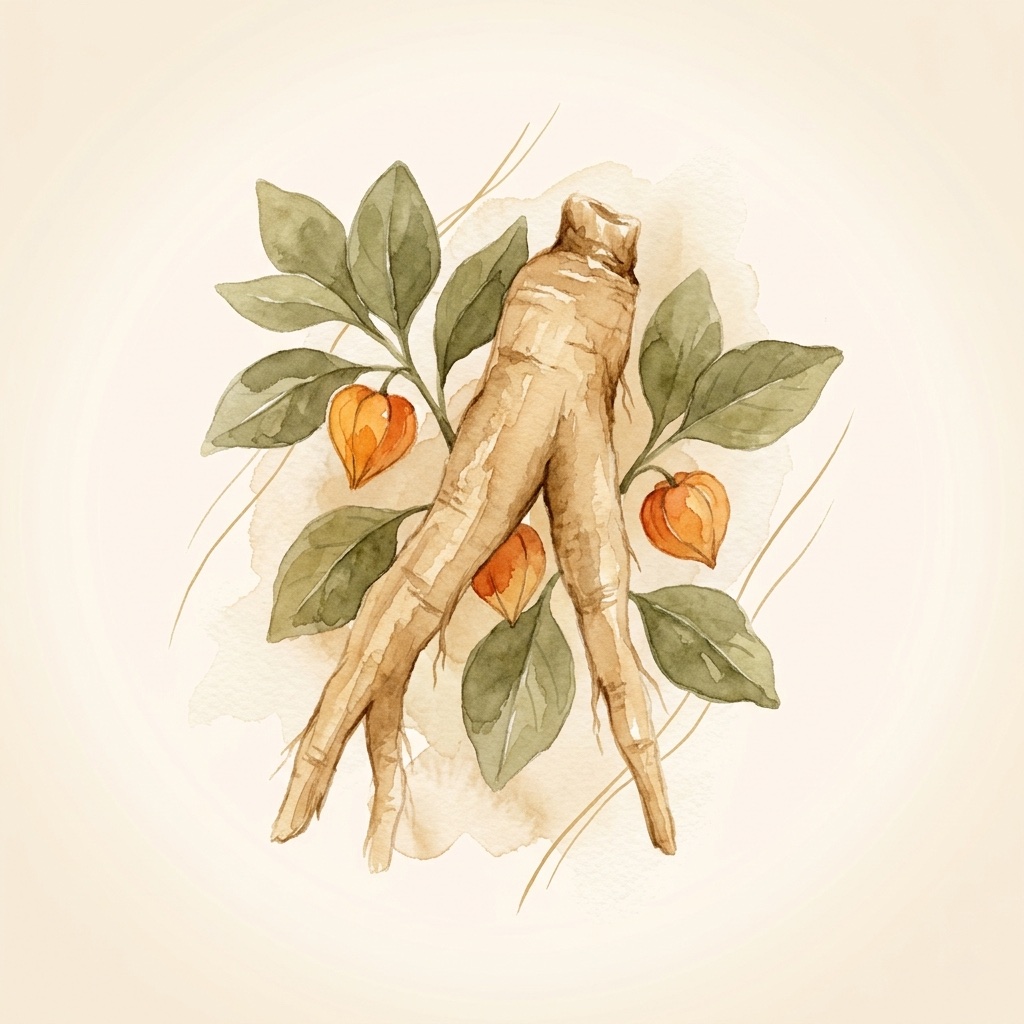
Ashwagandha
Withania somnifera
One of the most important herbs in Ayurvedic medicine, used for over 3,000 years.
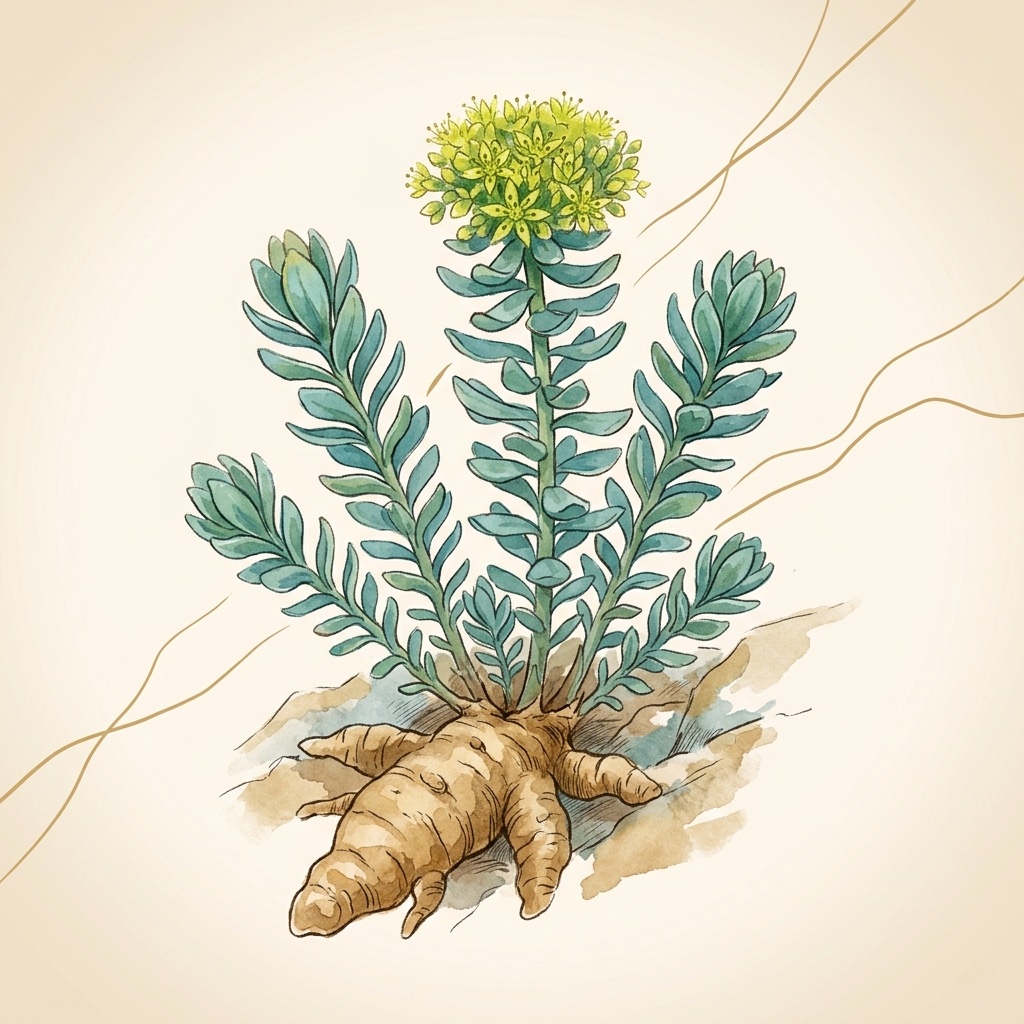
Rhodiola Rosea
Rhodiola rosea
A powerful adaptogen that grows in cold, mountainous regions of Europe and Asia.
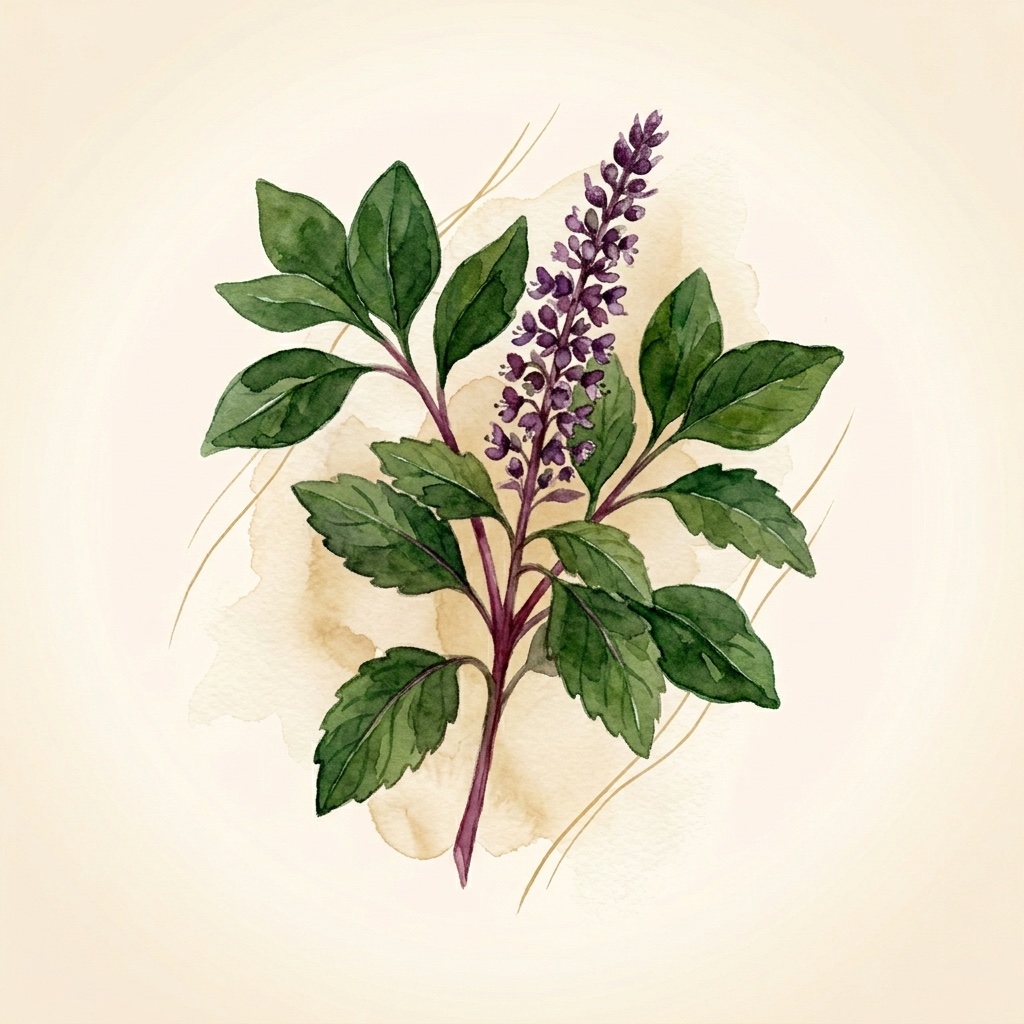
Holy Basil
Ocimum tenuiflorum
Known as Tulsi in Ayurveda, Holy Basil is revered as 'The Queen of Herbs.' Used for over 3,000 years as an adaptogen that supports mental clarity, stress resilience, and respiratory health.
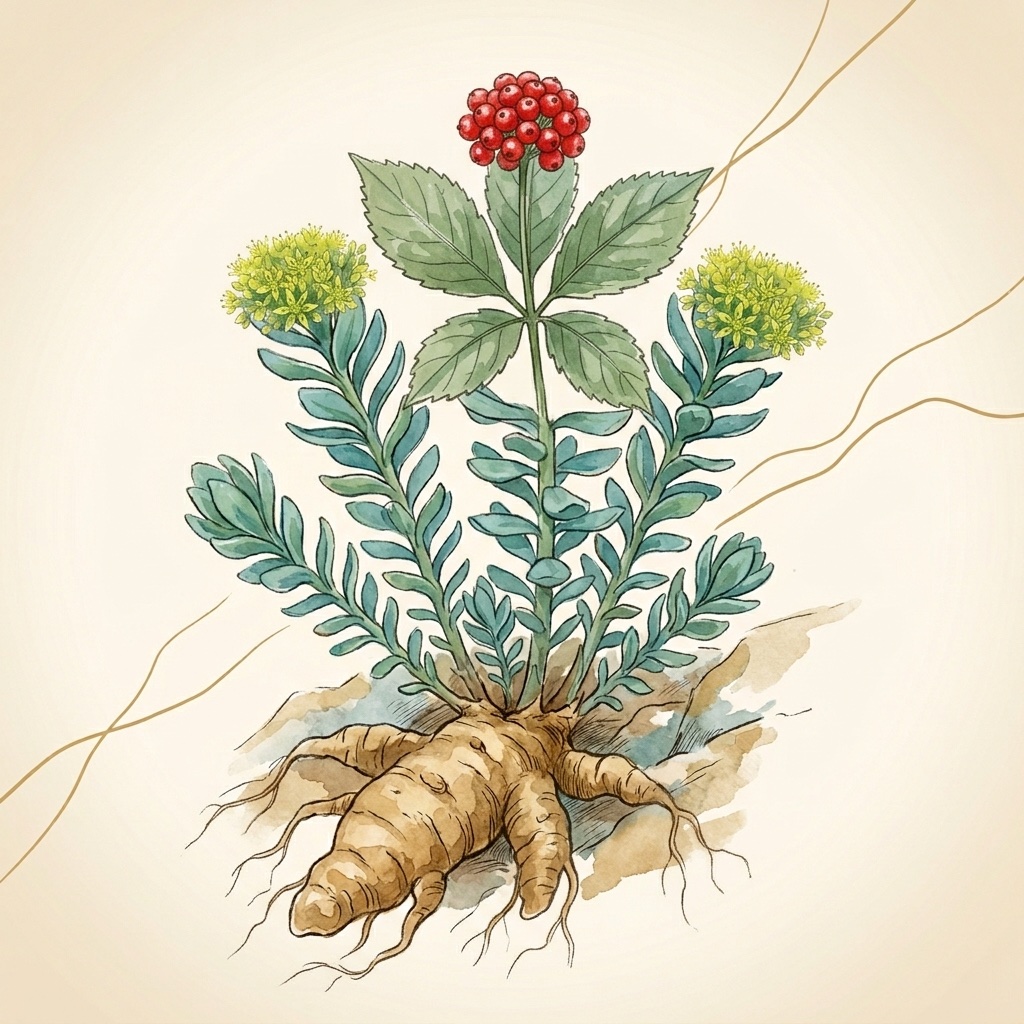
Red Asian Ginseng
Panax ginseng
The 'true' ginseng, used in Traditional Chinese Medicine for over 2,000 years.
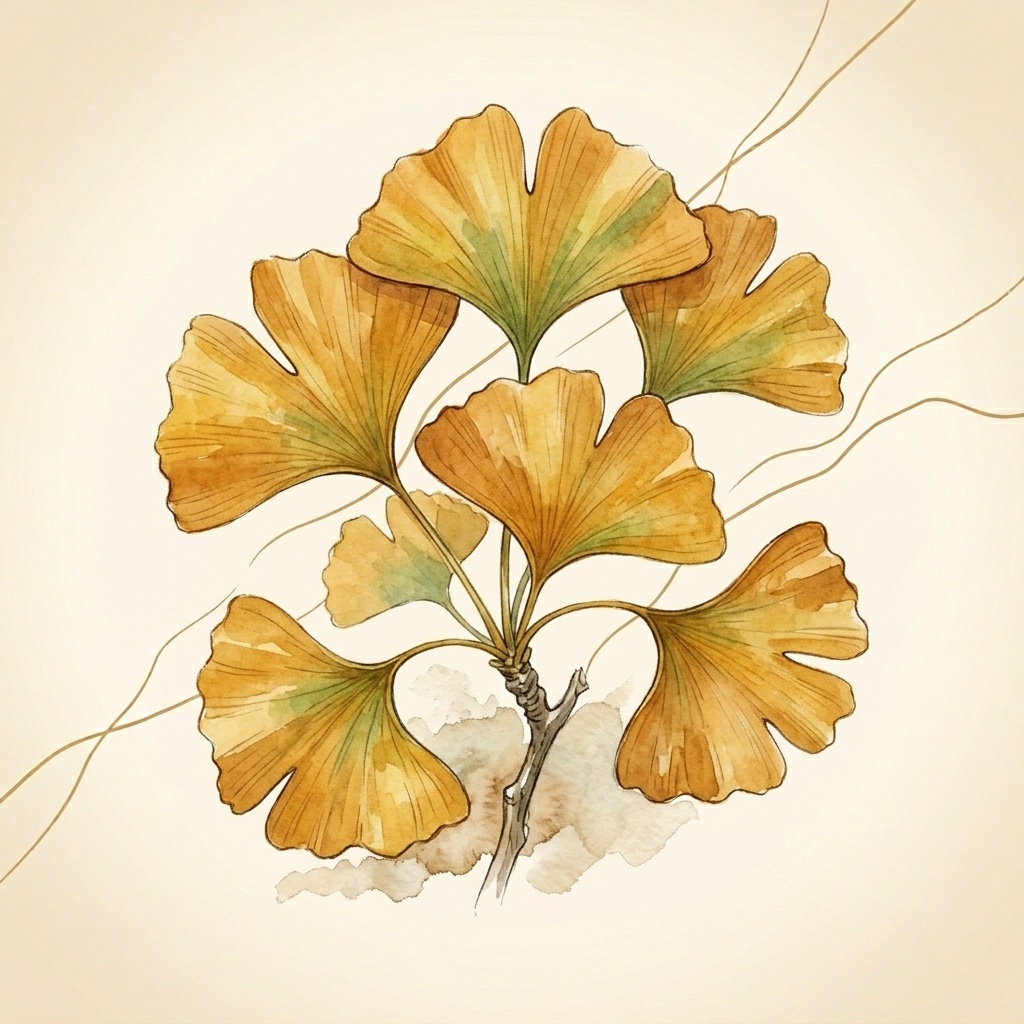
Ginkgo Biloba
Ginkgo biloba
One of the oldest living tree species on Earth, dating back 270 million years.
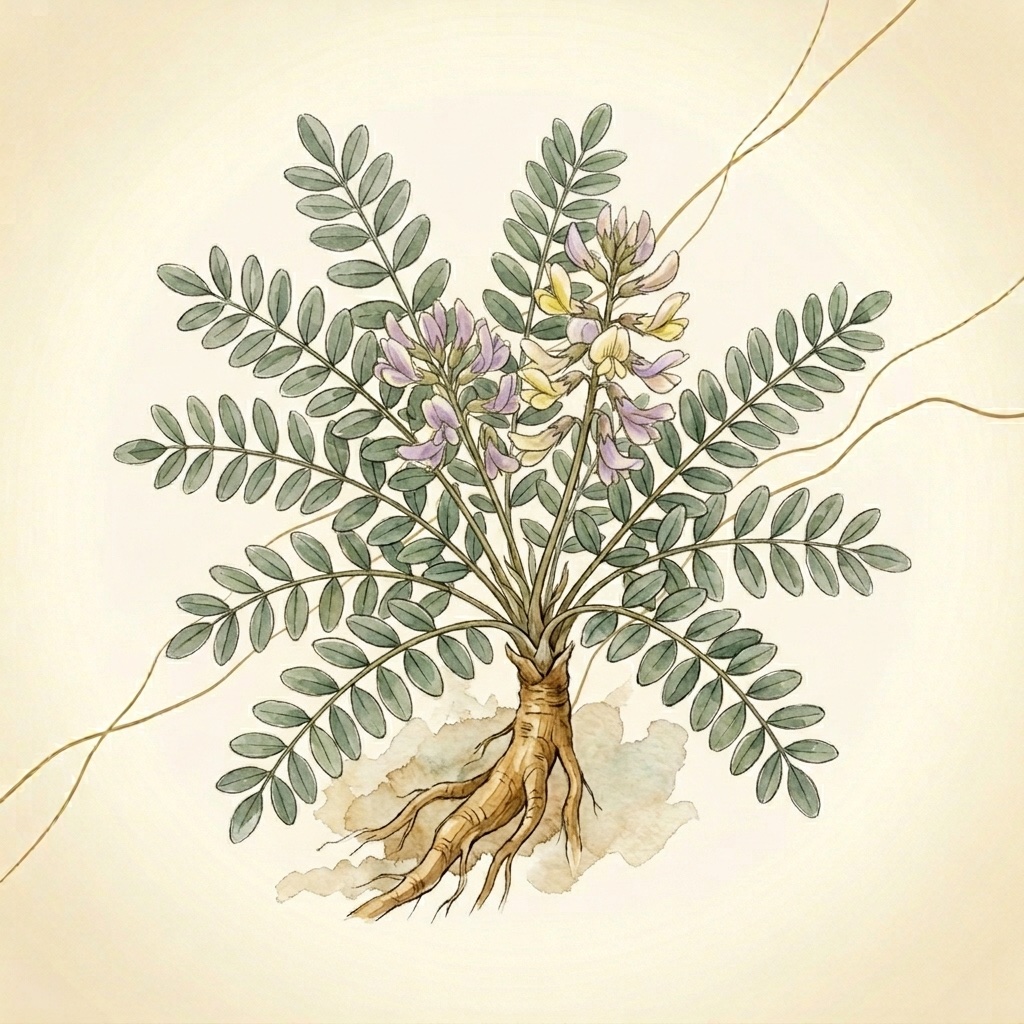
Astragalus
Astragalus membranaceus
One of the most important herbs in Traditional Chinese Medicine, used for over 2,000 years as a Qi tonic.
Nootropics & Brain
Compounds that support cognitive function.
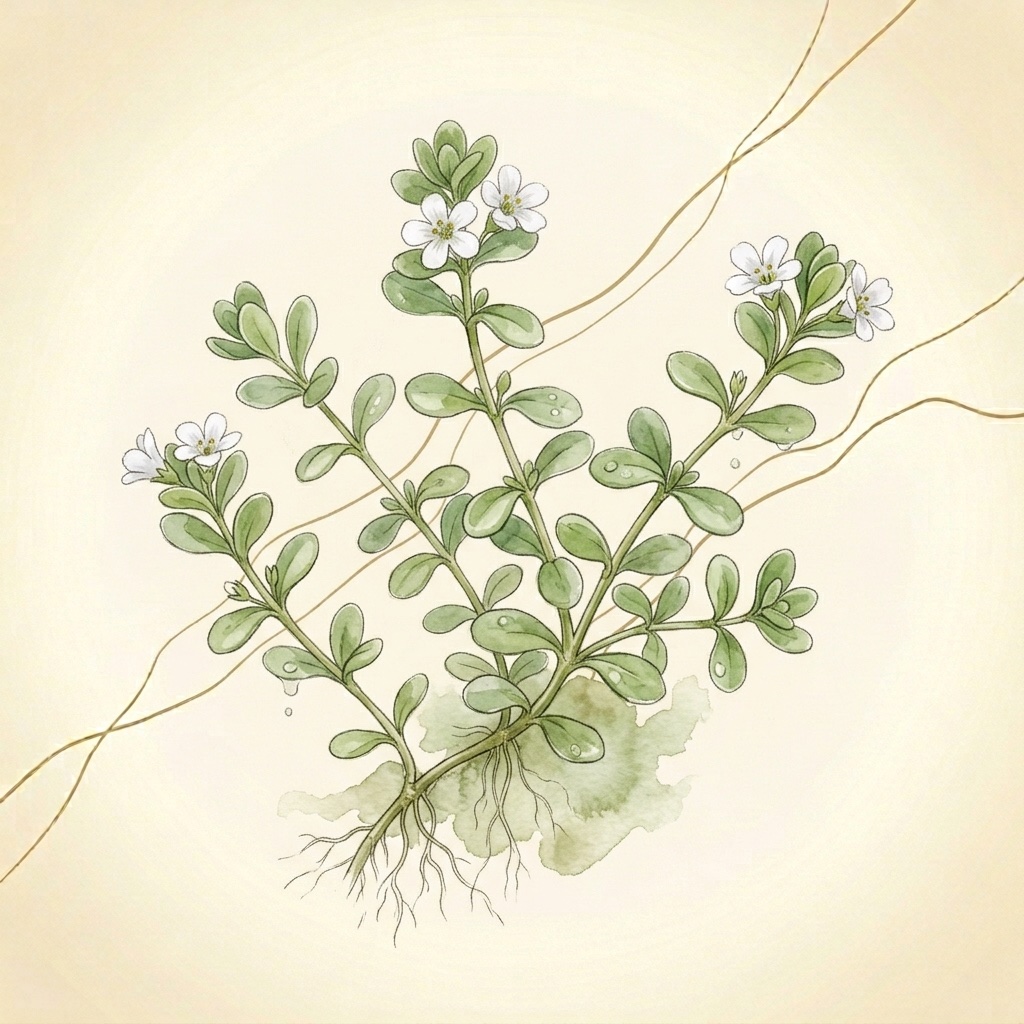
Bacopa
Bacopa monnieri
An ancient Ayurvedic herb known as 'Brahmi', used for thousands of years to enhance memory and learning.
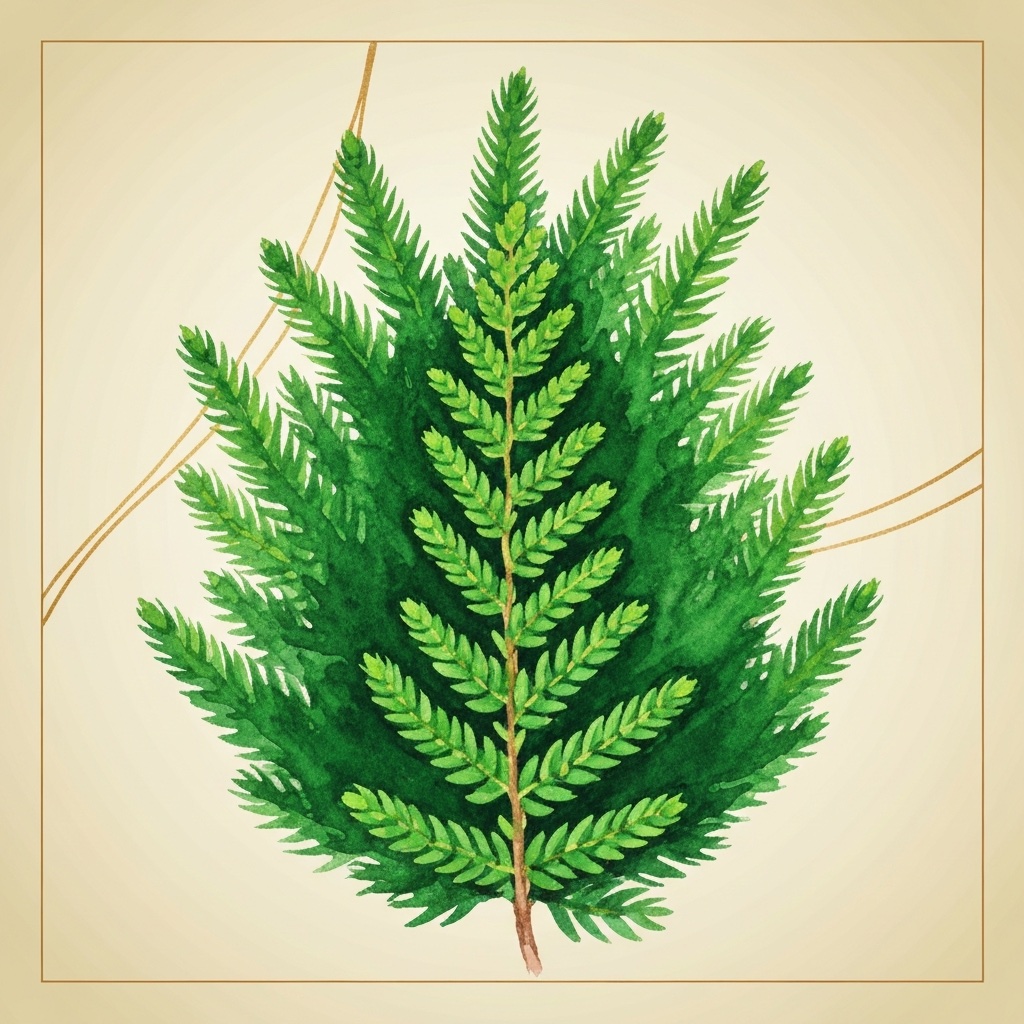
Chinese Club Moss
Huperzia serrata
A primitive, slow-growing moss native to mountain forests of China and Southeast Asia, used in Traditional Chinese Medicine for centuries.
Bee Products
Nature's most nutrient-dense superfoods.
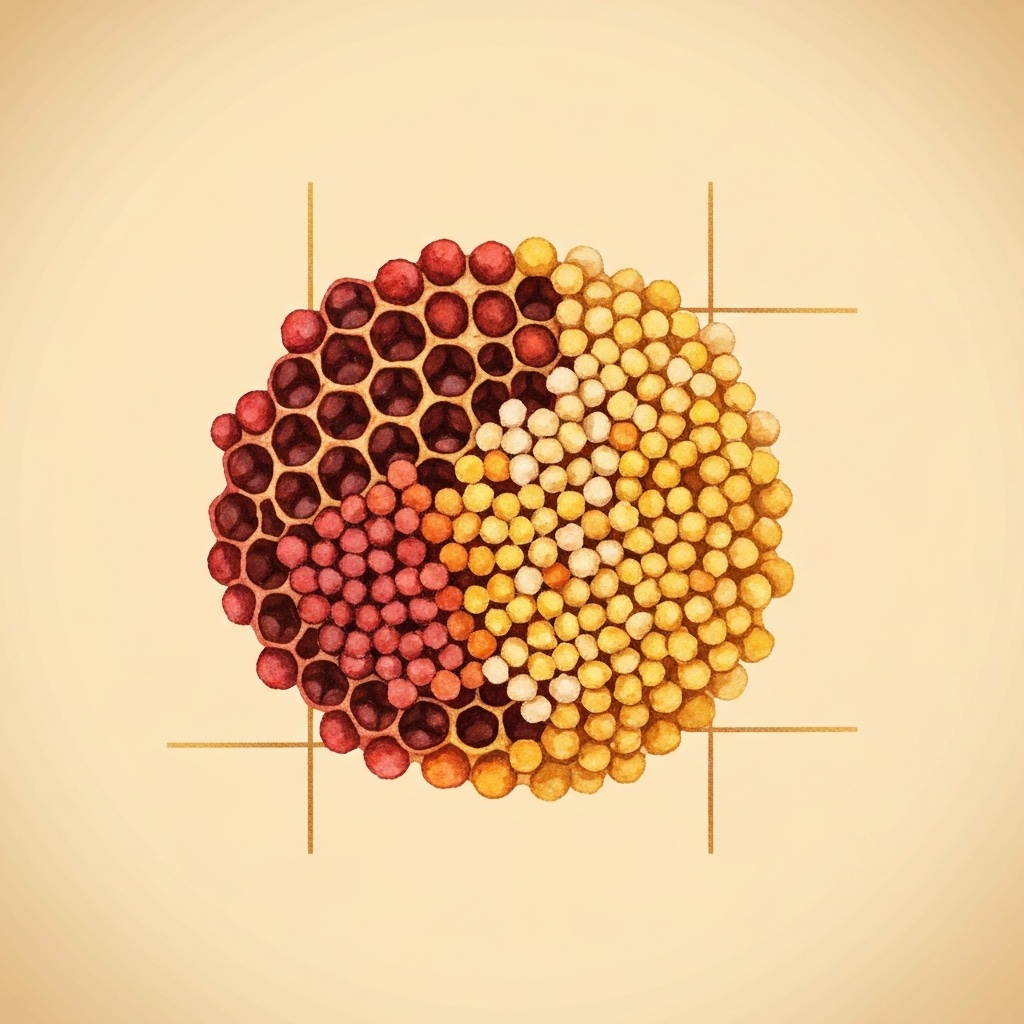
Bee Bread
Fermented Bee Pollen
Bee bread is pollen that has been fermented by bees using honey and their own enzymes.
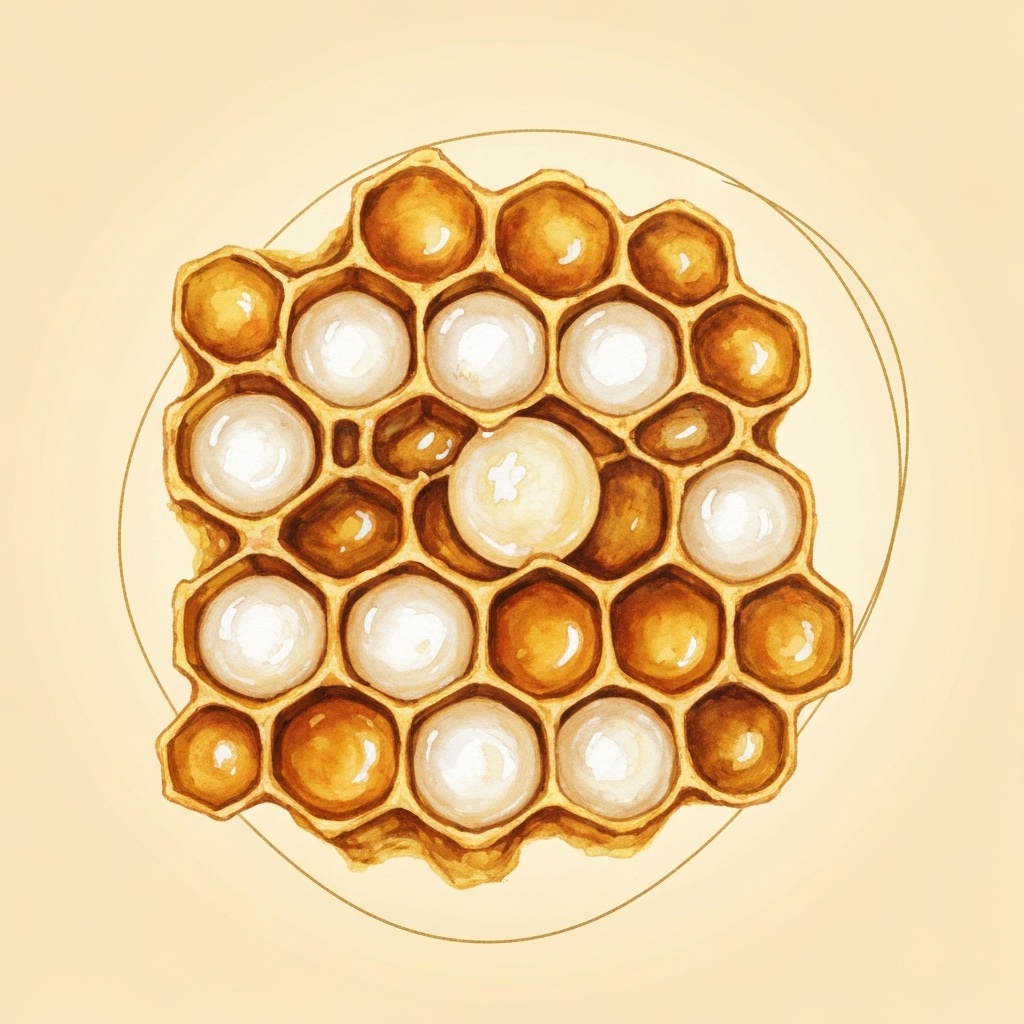
Royal Jelly
Apis mellifera secretion
The exclusive food of queen bees, who live 40x longer than worker bees.
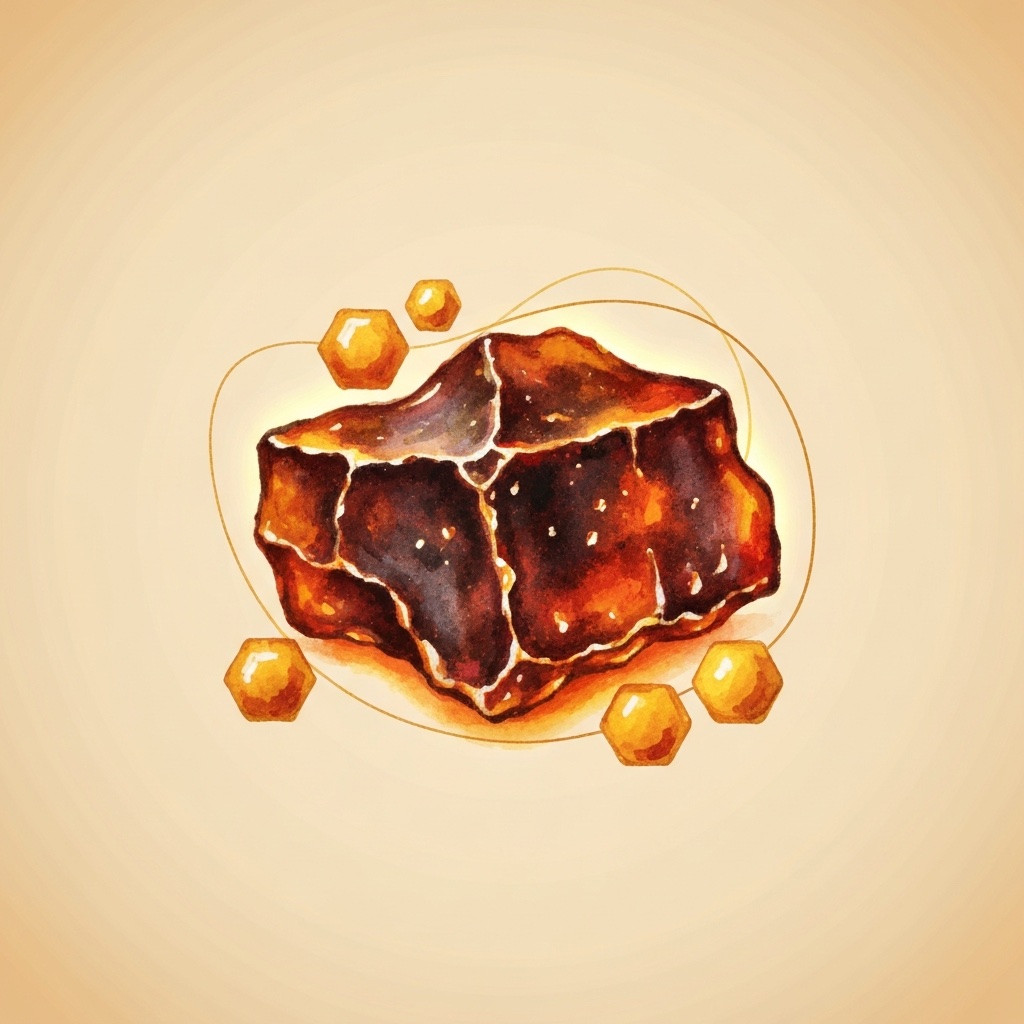
Propolis
Bee Propolis
Propolis is the resinous mixture bees create to seal and protect their hive.
Sleep & Mood
Natural compounds for rest and relaxation.
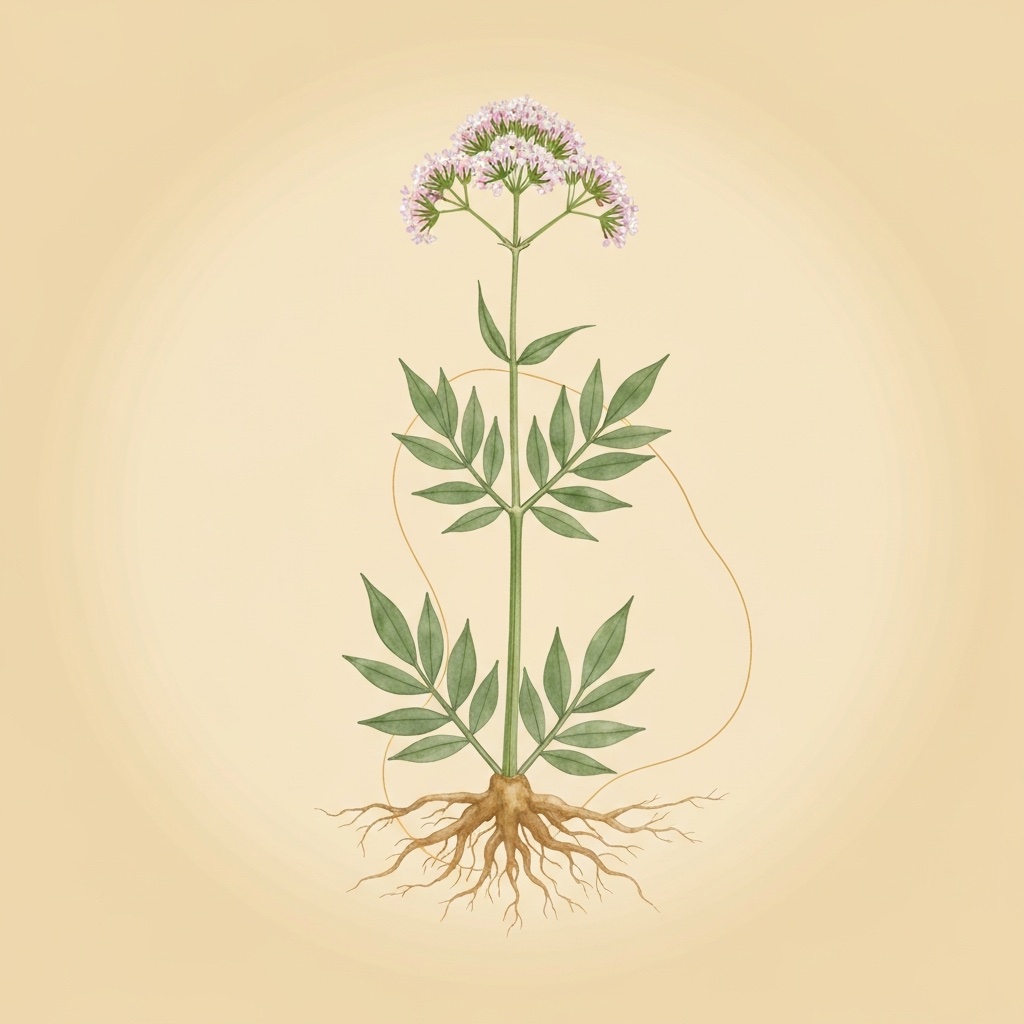
Valerian Root
Valeriana officinalis
A flowering plant native to Europe and Asia, Valerian has been used since ancient Greece and Rome to promote relaxation and restful sleep.
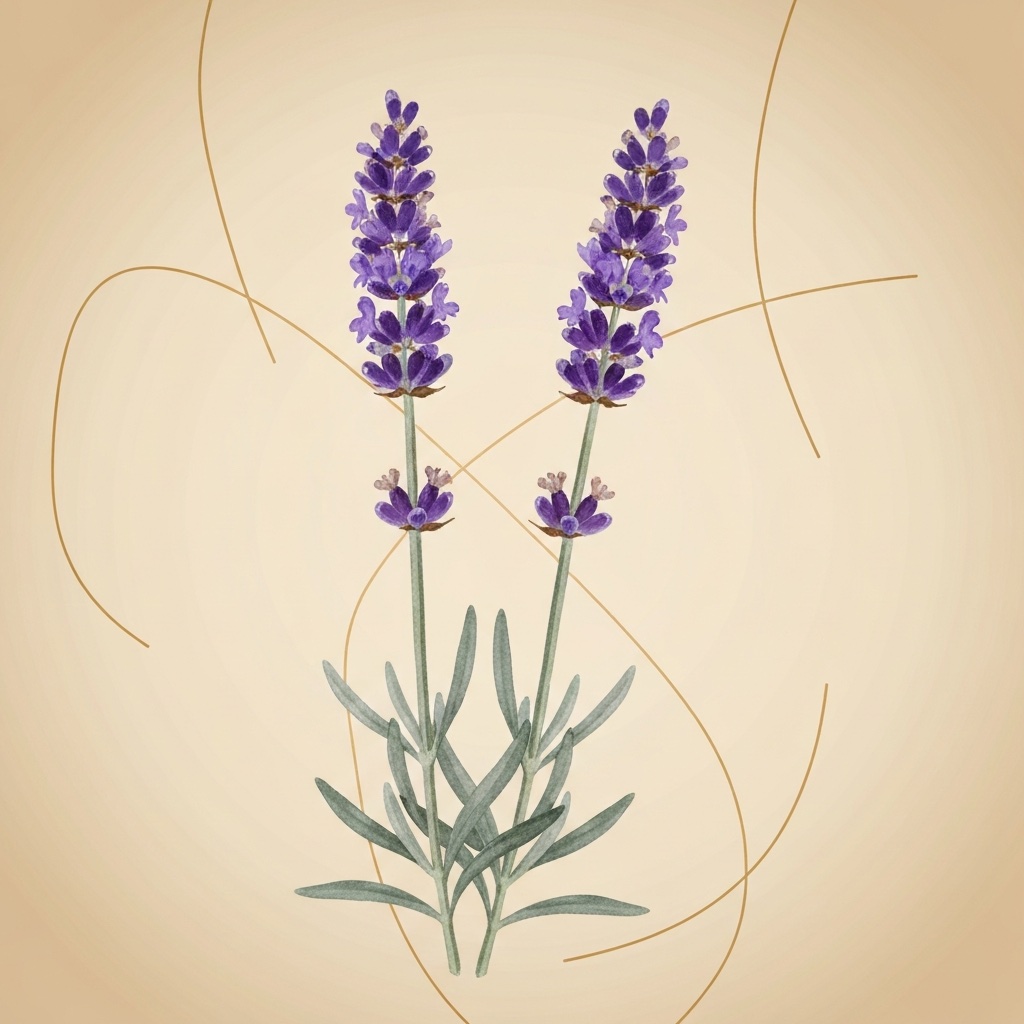
Lavender
Lavandula angustifolia
A fragrant herb used for thousands of years to promote relaxation and sleep.
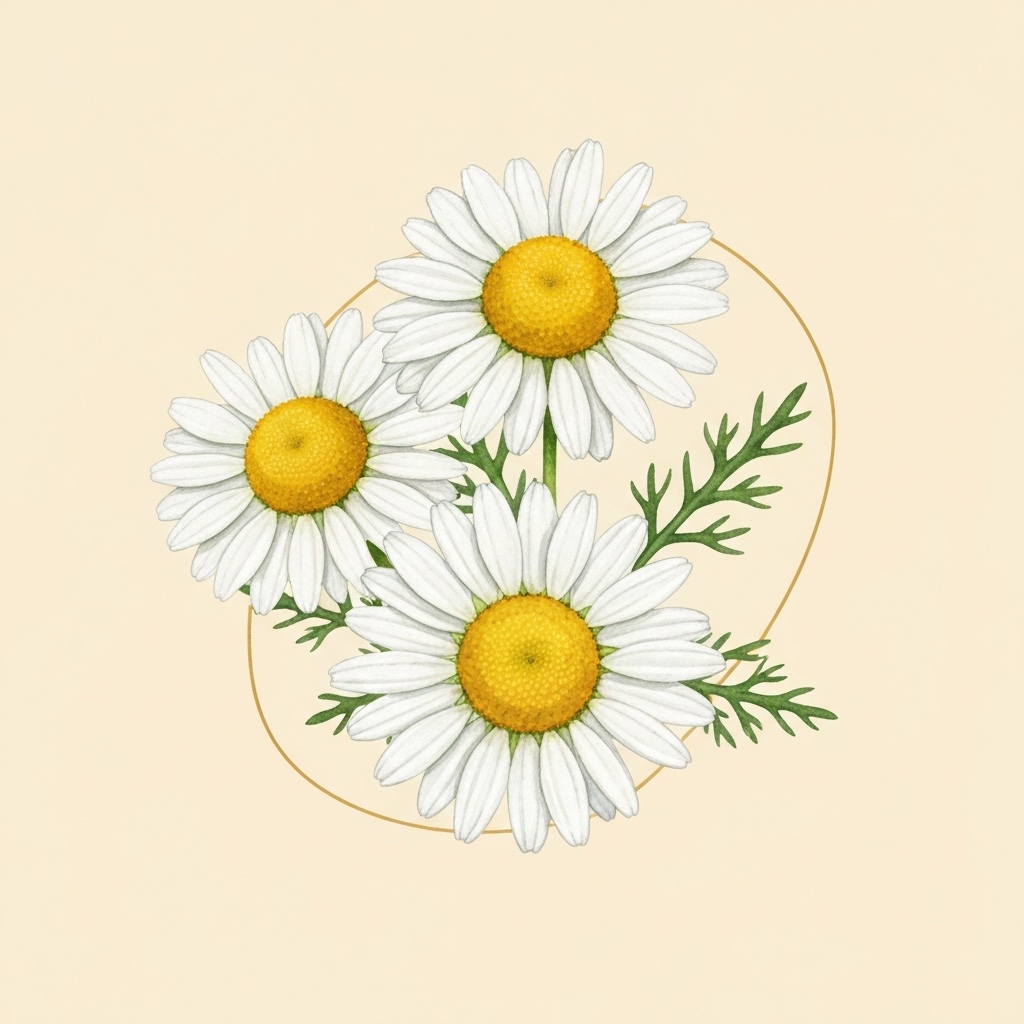
Chamomile
Matricaria chamomilla
One of the oldest and most trusted herbal remedies, Chamomile has been used for centuries as a gentle sleep aid and digestive soother.
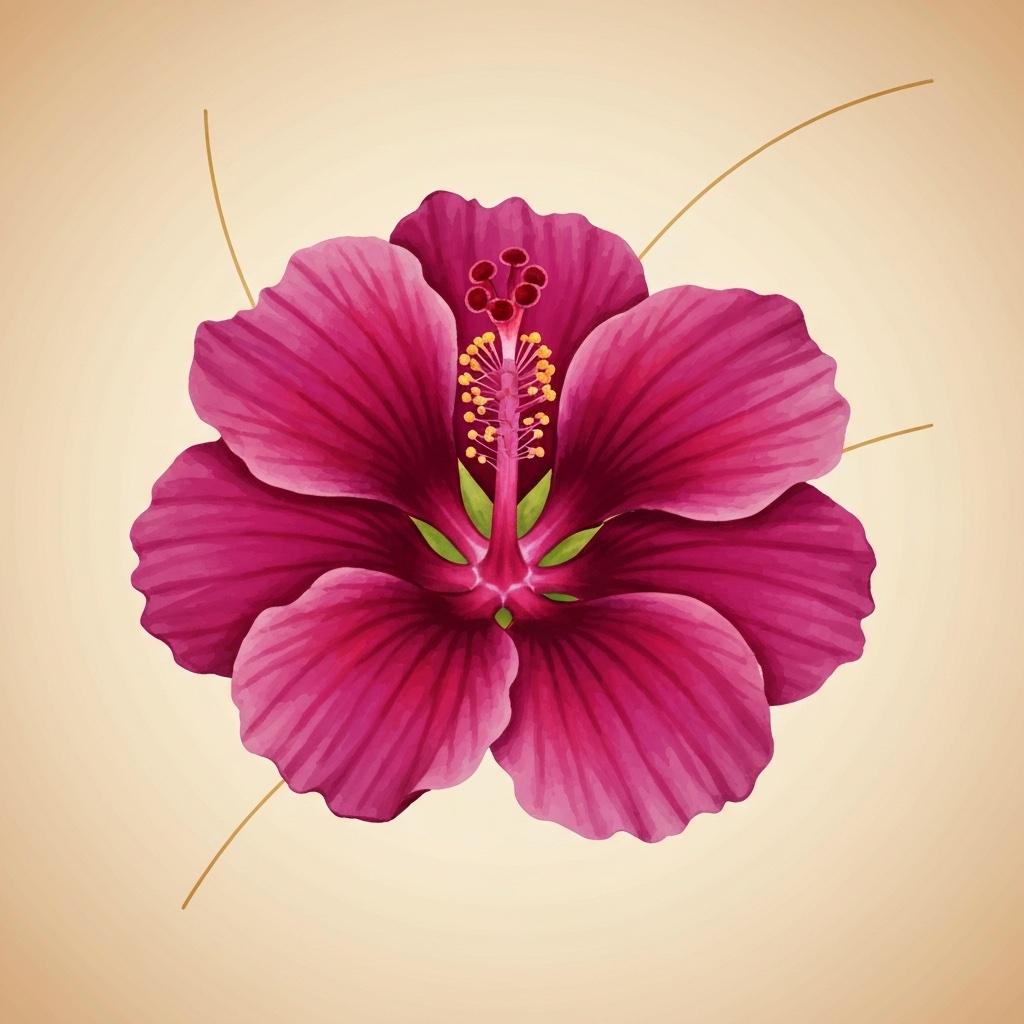
Hibiscus
Hibiscus sabdariffa
A vibrant tropical flower used in traditional medicine worldwide.
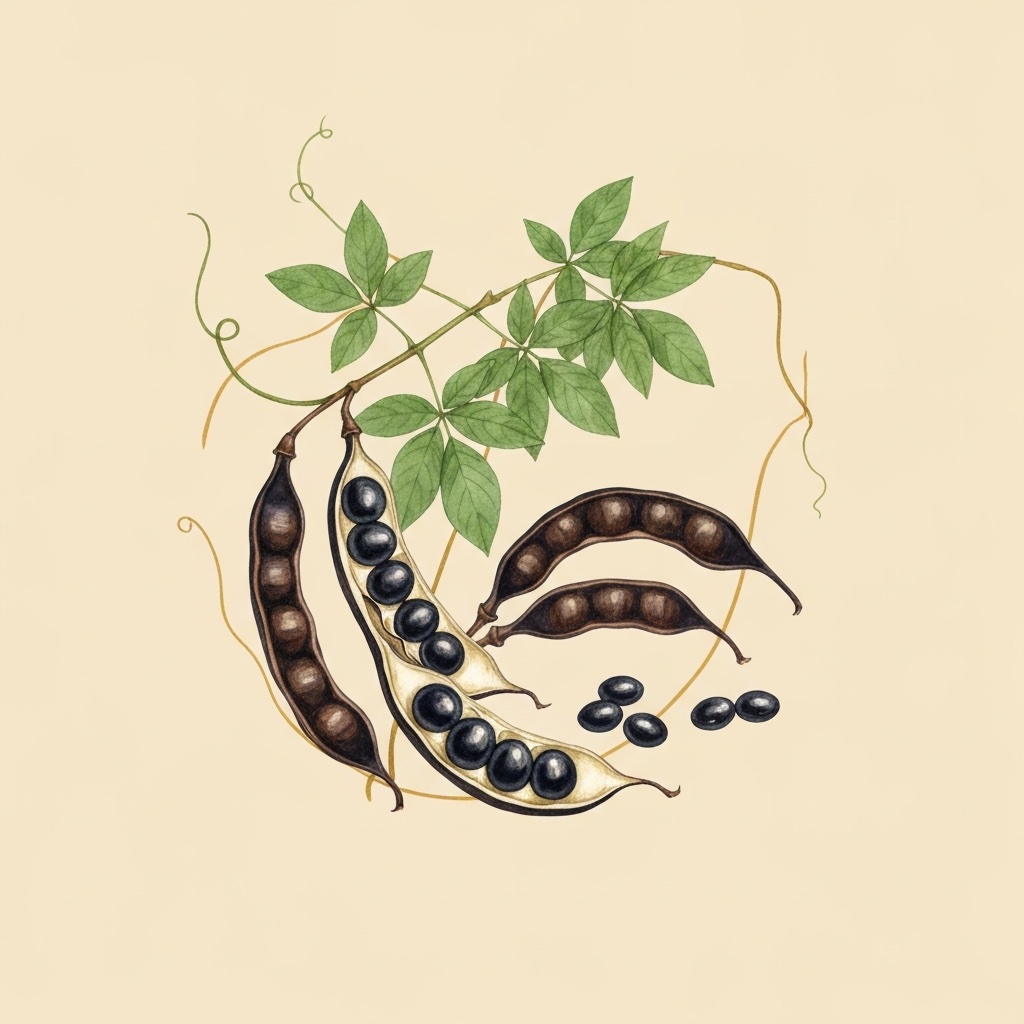
Griffonia simplicifolia
Griffonia simplicifolia
A woody climbing shrub native to West and Central Africa, where its seeds have been used in traditional medicine for generations.
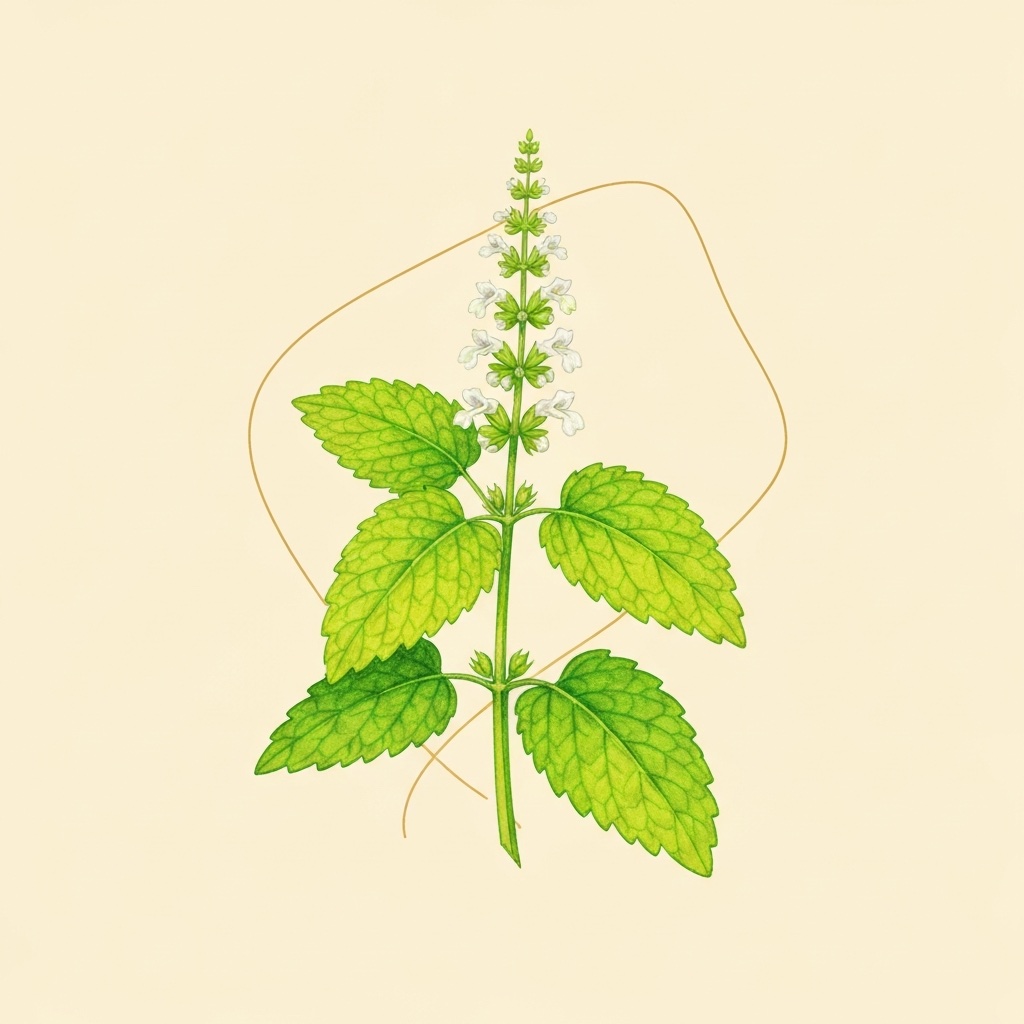
Lemon Balm
Melissa officinalis
A lemon-scented member of the mint family used in European folk medicine since the Middle Ages.
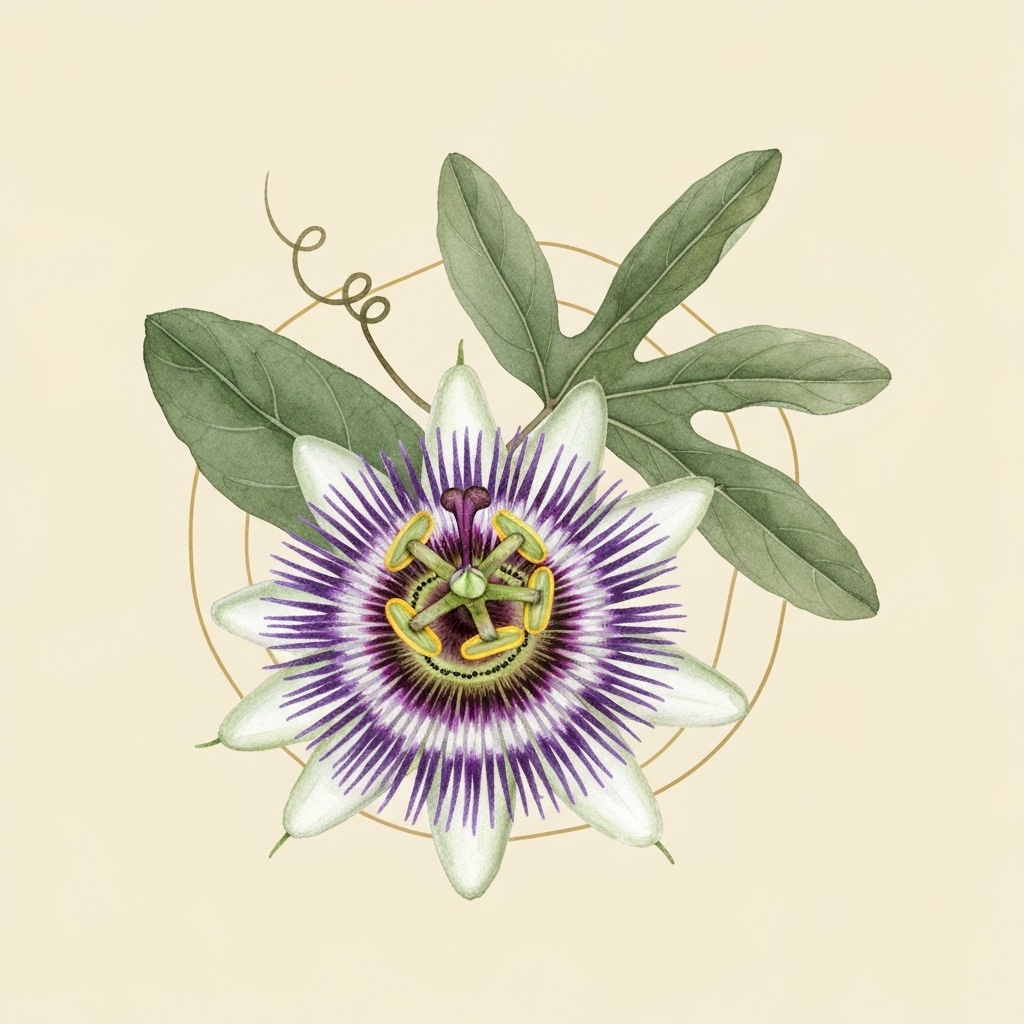
Passion Flower
Passiflora incarnata
A climbing vine native to the Americas with striking, intricate blossoms.
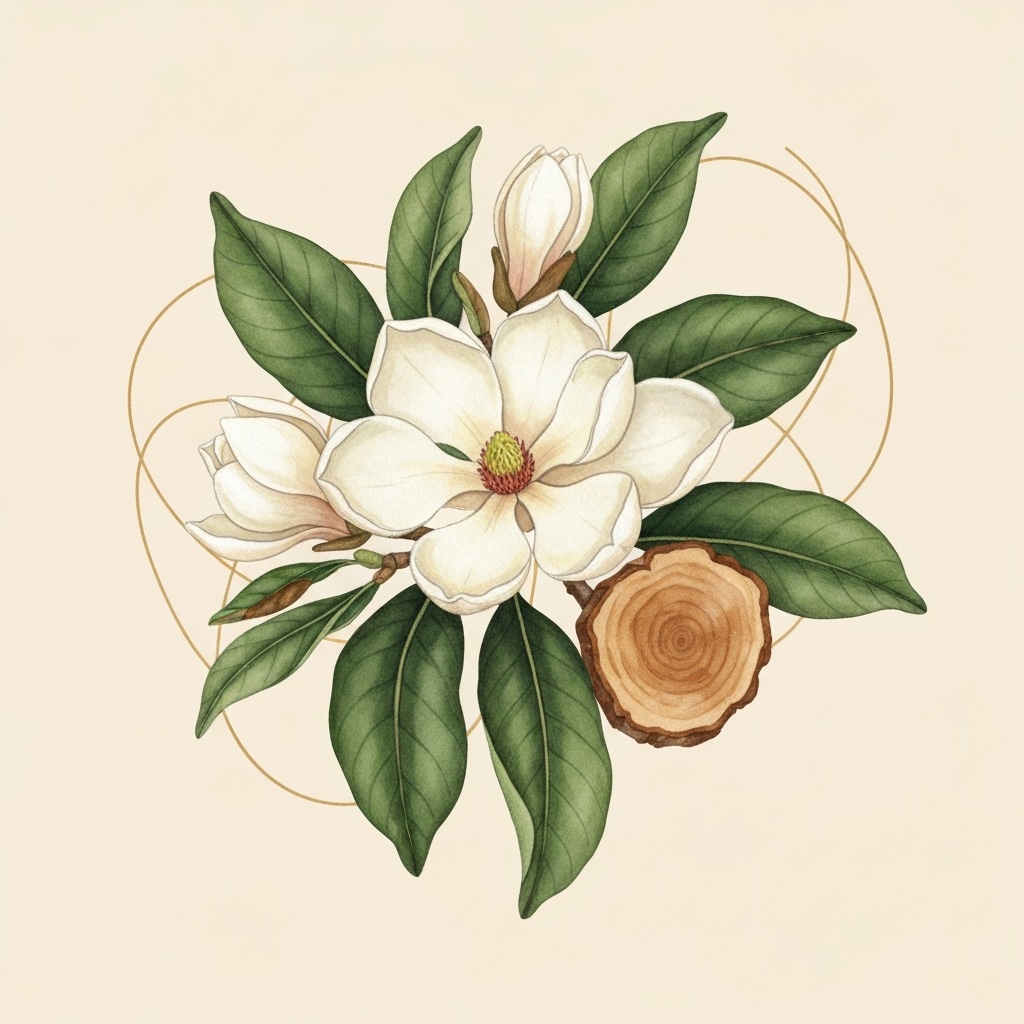
Magnolia Bark
Magnolia officinalis
The bark of the magnolia tree, used for over 2,000 years in Traditional Chinese and Japanese (Kampo) medicine.
Glow & Skin
Support for hair, skin, and nails — taken internally.
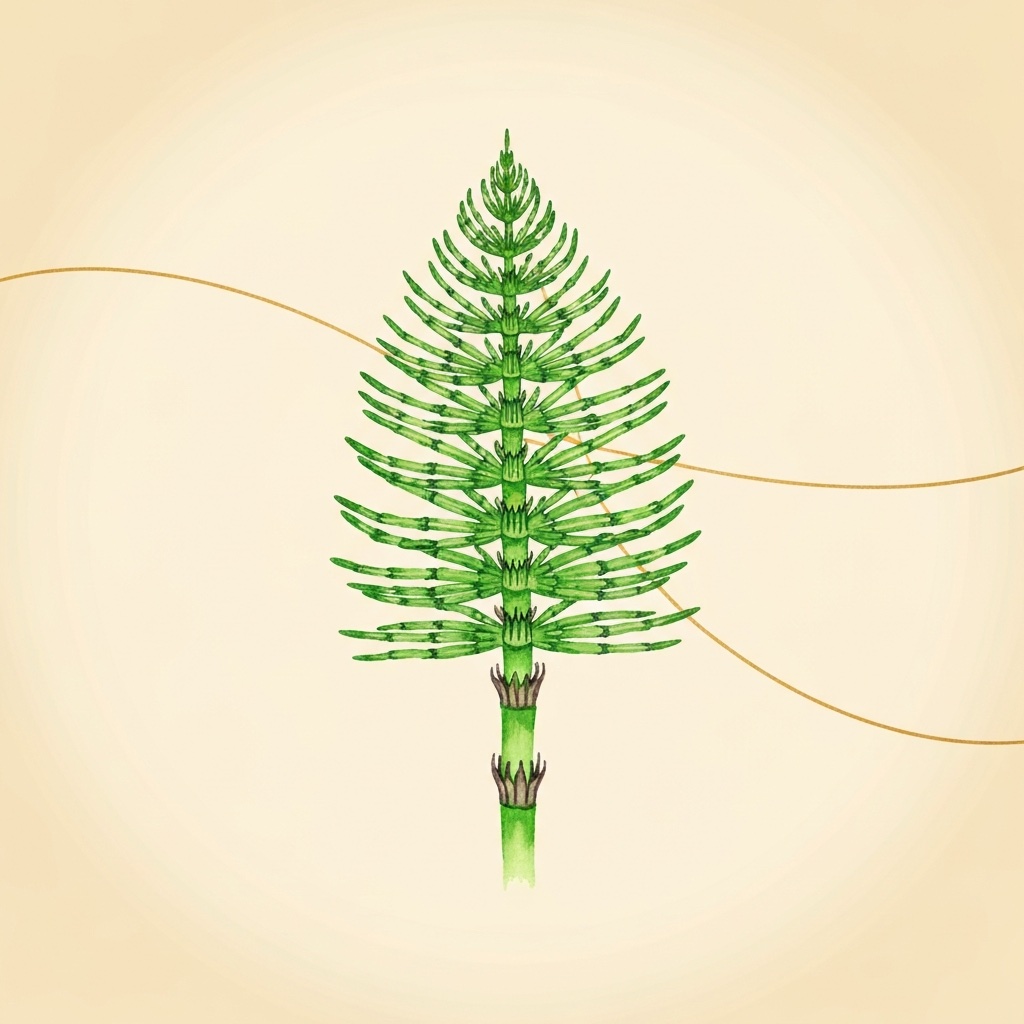
Horsetail Extract
Equisetum arvense
An ancient plant dating back to prehistoric times, Horsetail is one of the richest natural sources of silica.
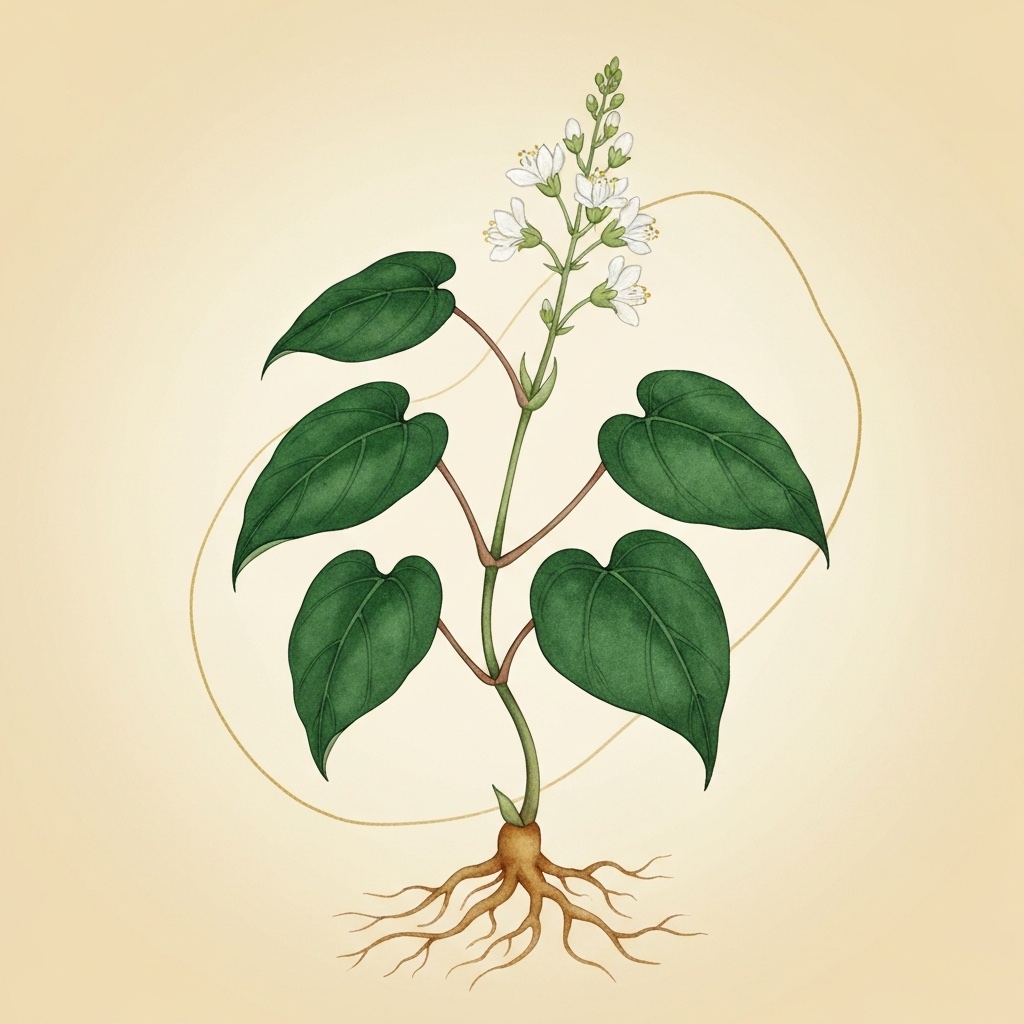
Fo-Ti
Polygonum multiflorum
A revered herb in Traditional Chinese Medicine, known as 'He Shou Wu' meaning 'black-haired Mr.
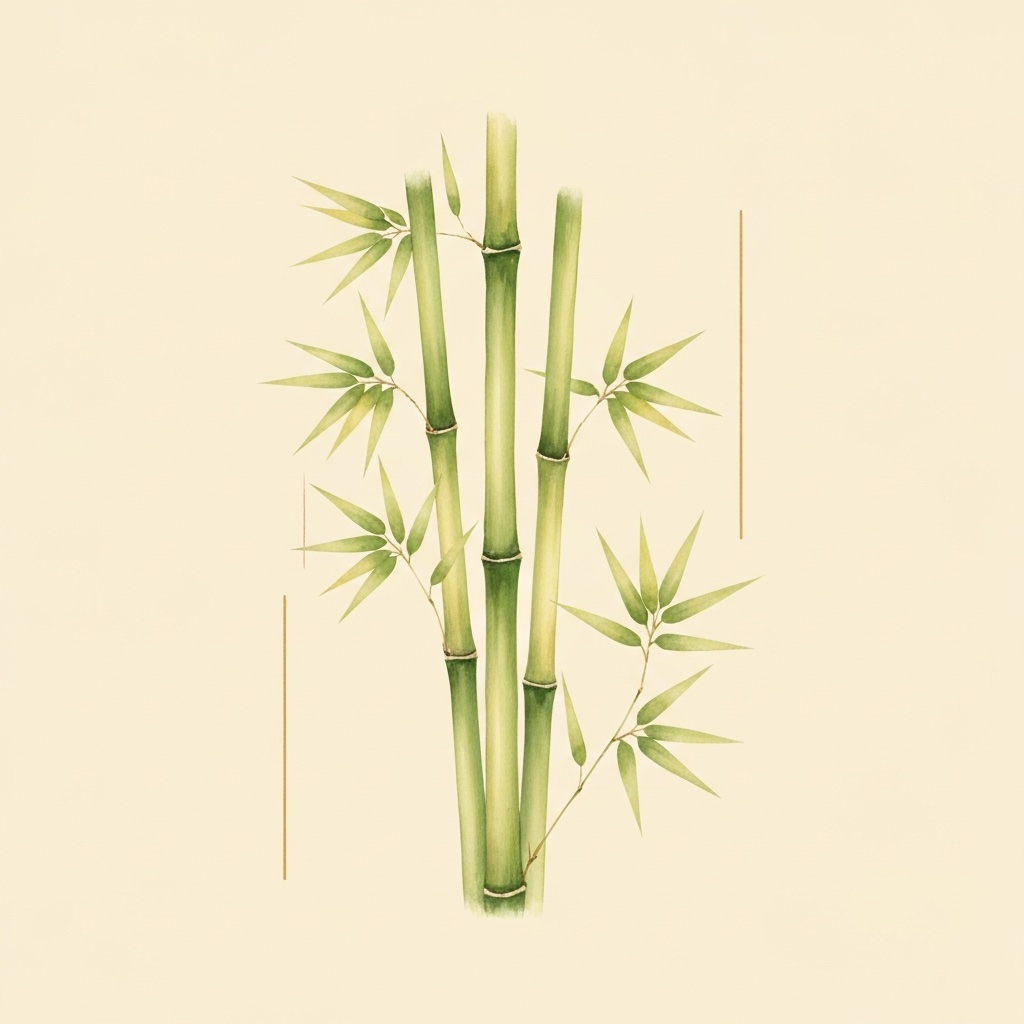
Bamboo Extract
Phyllostachys viridis
Bamboo is the richest known source of natural silica, containing up to 70% organic silica.
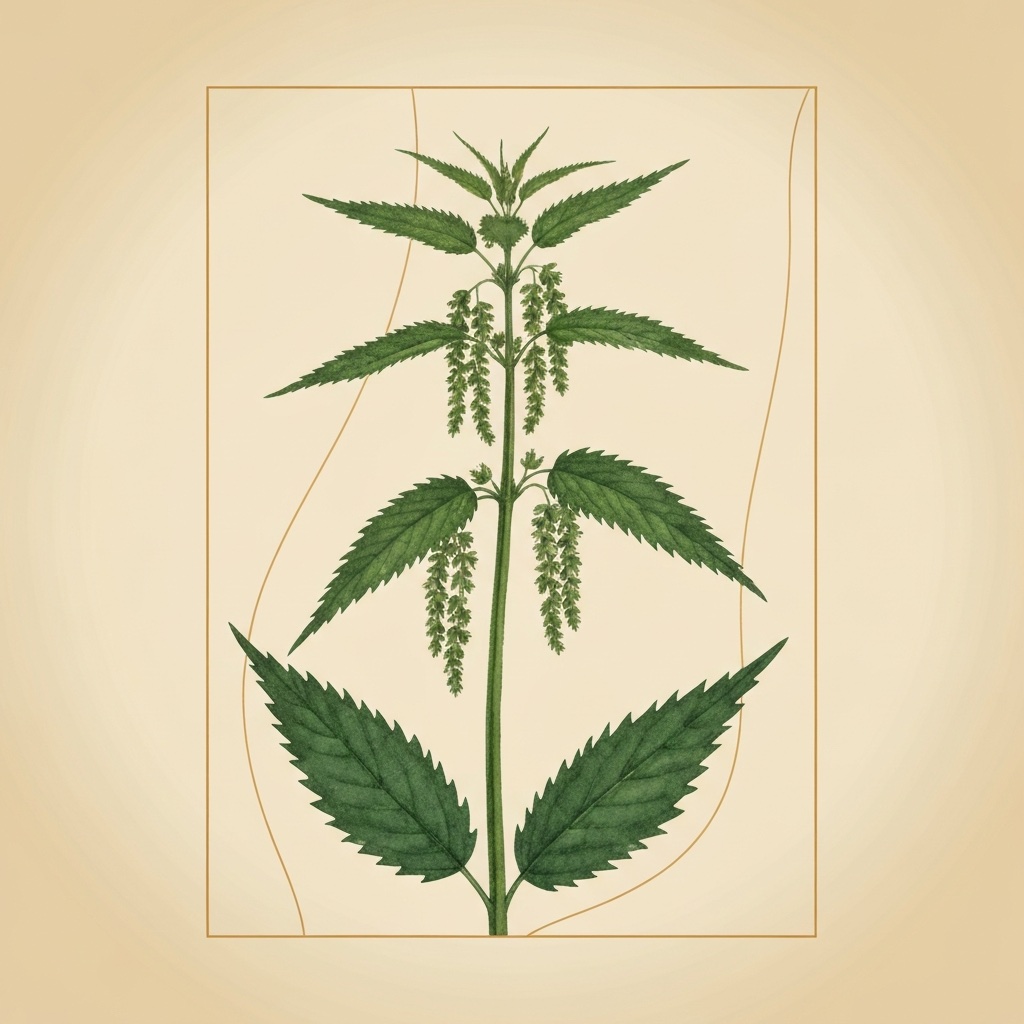
Stinging Nettle
Urtica dioica
A nutrient-rich plant used for centuries in traditional medicine.
Superfoods
Nutrient-dense whole-food ingredients.
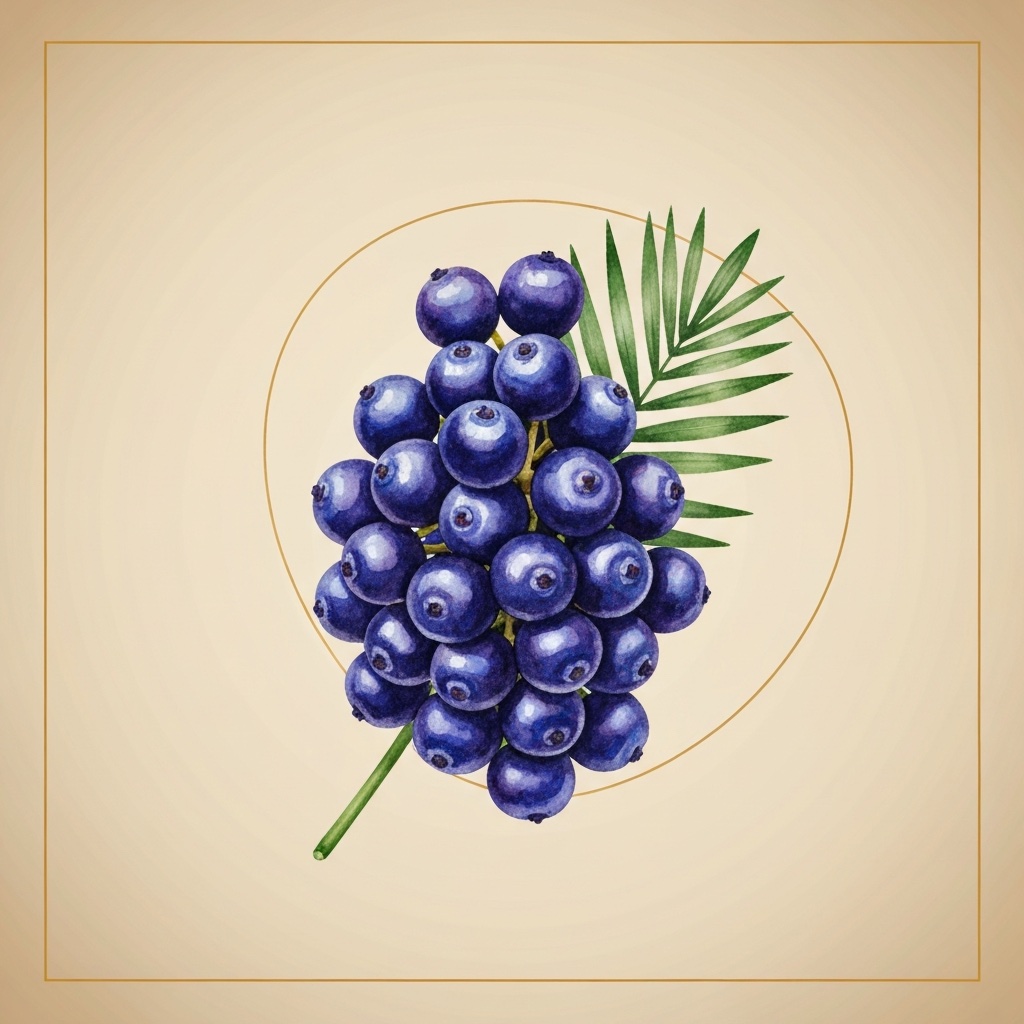
Acai Berry
Euterpe oleracea
A deep purple berry from the Amazon rainforest, Acai is one of the most antioxidant-rich foods on Earth.
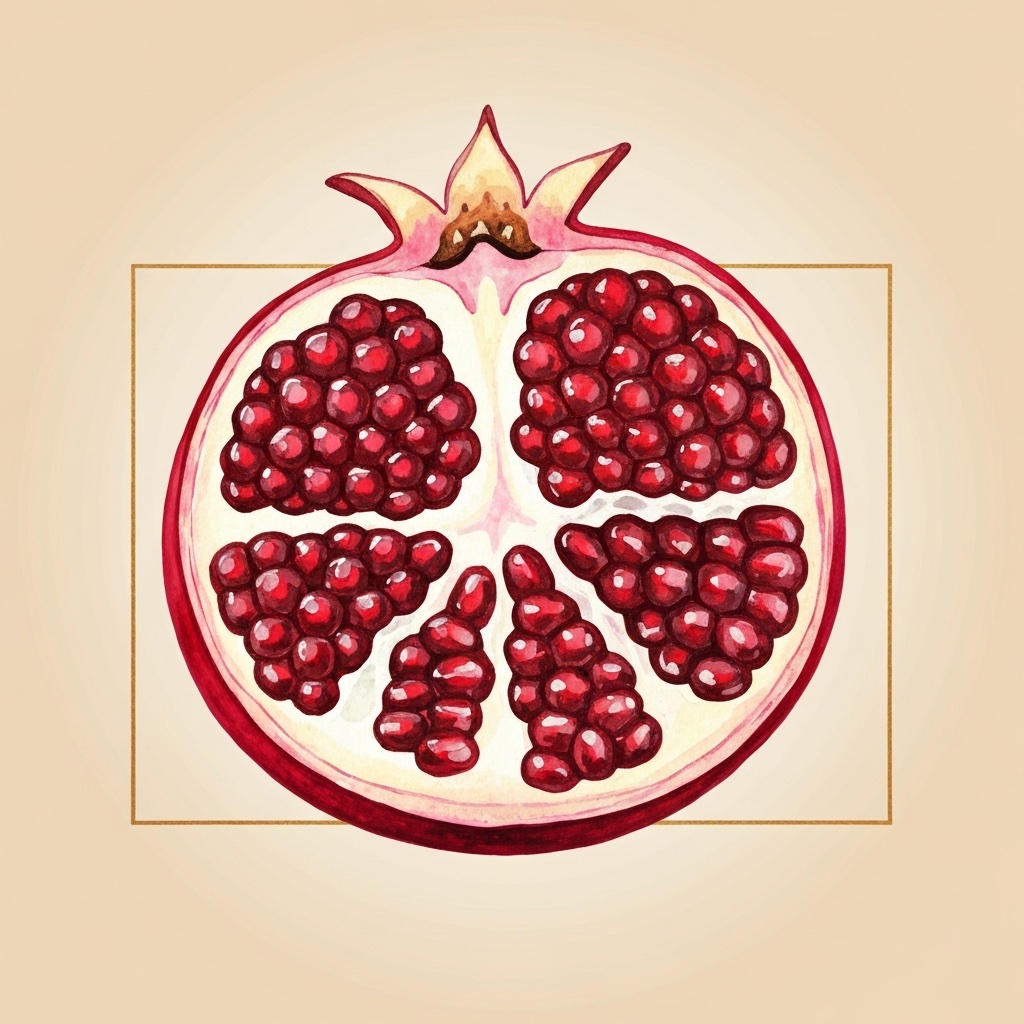
Pomegranate
Punica granatum
An ancient fruit revered across cultures for its health benefits.

Cinnamon
Cinnamomum cassia
One of the oldest known spices, Cinnamon has been used for thousands of years in traditional medicine.
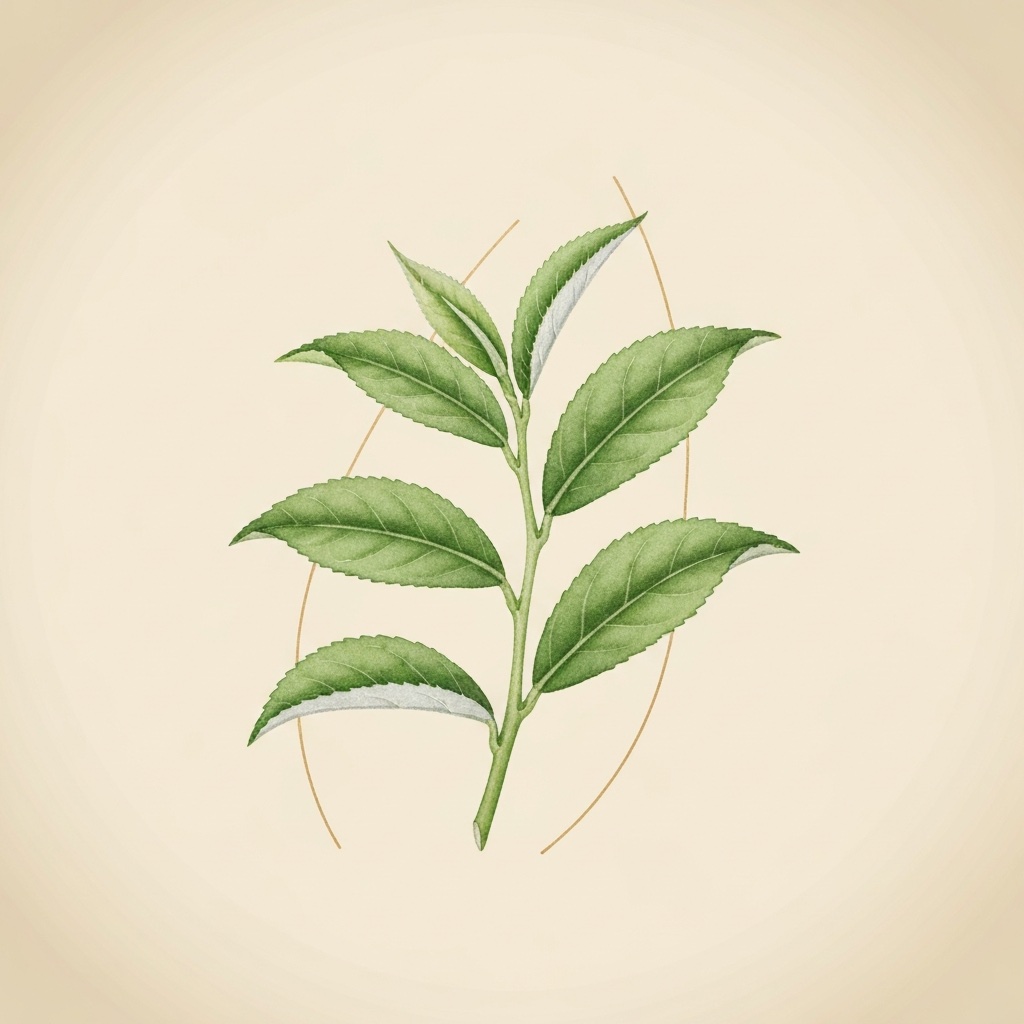
Green Tea
Camellia sinensis
Consumed for over 4,000 years in Asia, Green Tea is rich in catechins - powerful antioxidants that support metabolism, brain health, and longevity.
Probiotics
Multi-strain Blend
Beneficial bacteria that support gut health and immune function.
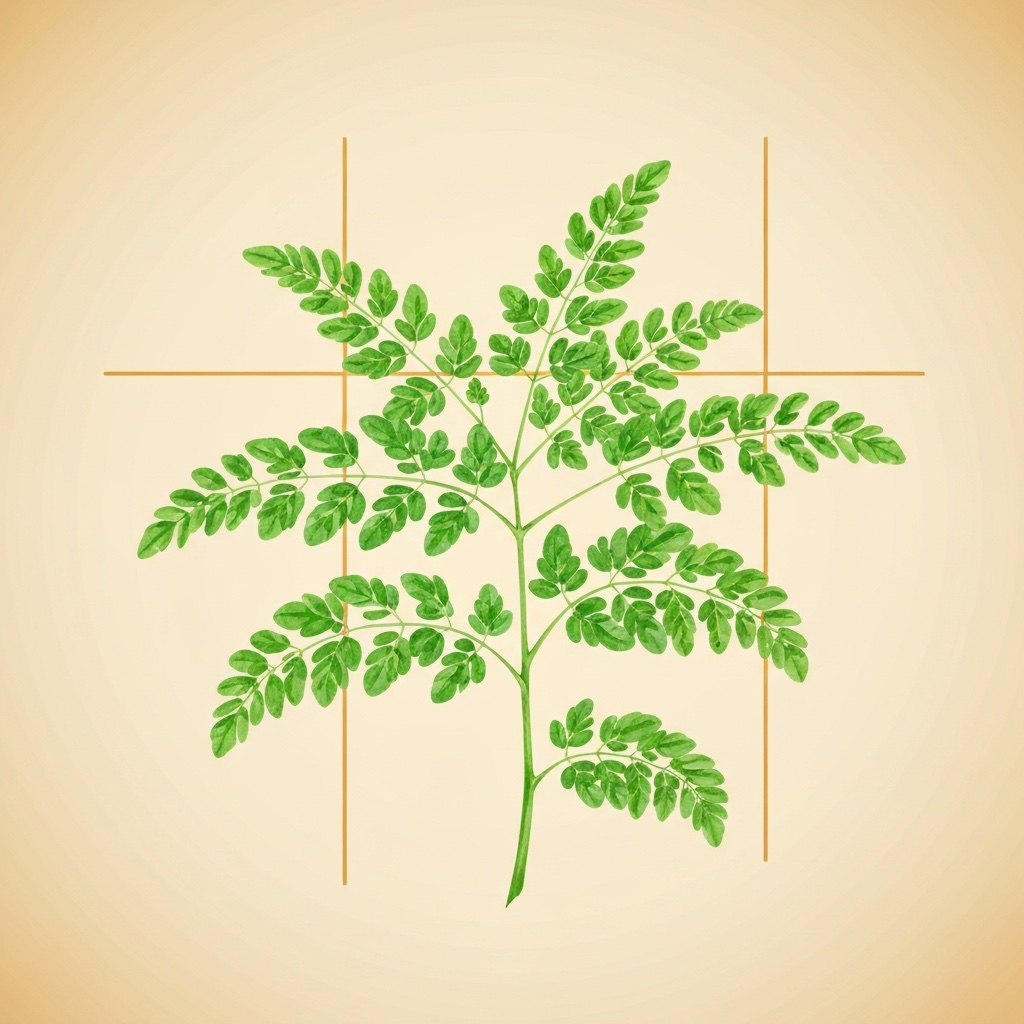
Moringa
Moringa oleifera
Known as the 'miracle tree' or 'tree of life', Moringa leaves contain over 90 nutrients including all essential amino acids.
Chlorella
Chlorella vulgaris
A single-celled green algae that's one of the most nutrient-dense foods on Earth.
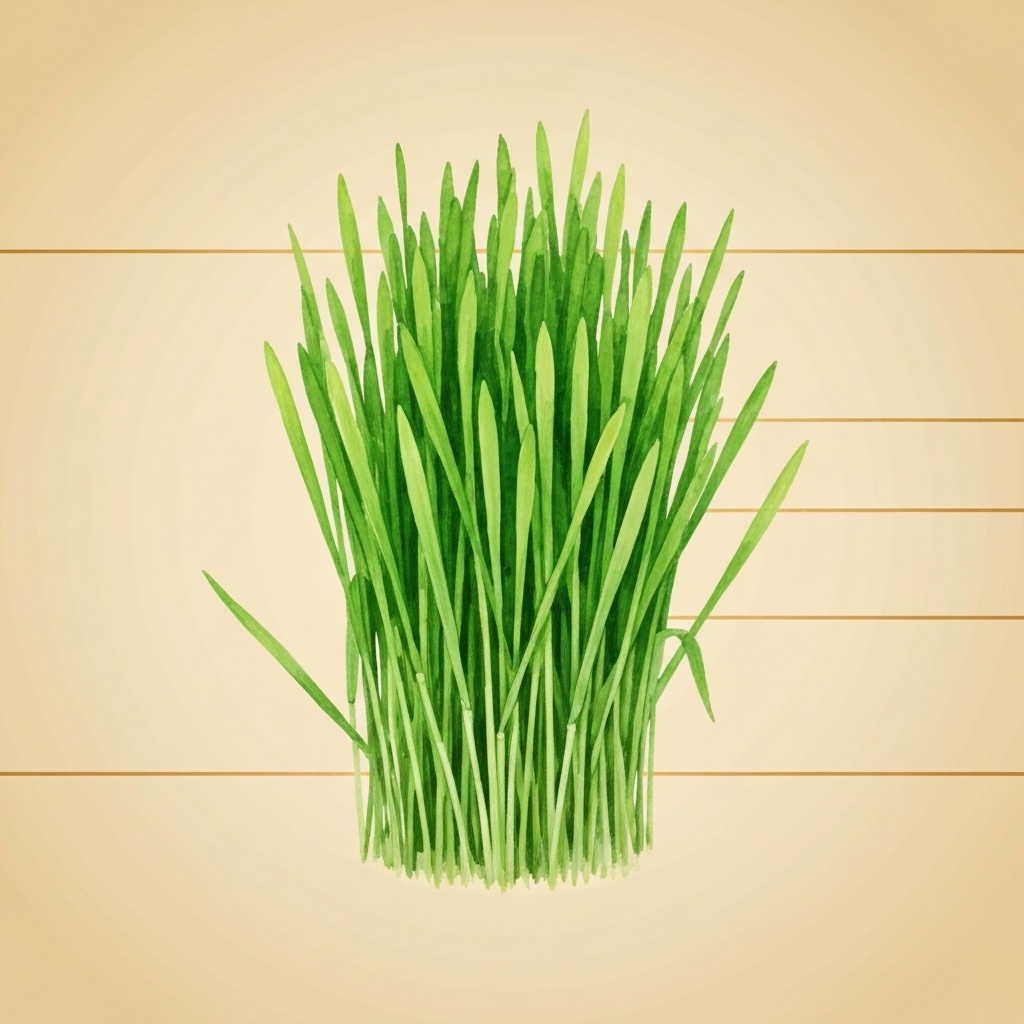
Wheat Grass
Triticum aestivum
Young grass of the wheat plant, harvested before it develops grain.

Barley Grass
Hordeum vulgare
Young leaves of the barley plant harvested before heading.

Kamut Grass
Triticum turgidum ssp. turanicum
Young grass from kamut, an ancient relative of durum wheat.

Oat Grass
Avena sativa
Early-harvested oat plant before grain formation.

Rye Grass
Secale cereale
Young rye plant harvested at peak nutritional density before heading.

Acerola
Malpighia emarginata
A tropical fruit with one of the highest natural vitamin C concentrations of any food — up to 65× more per gram than an orange.

Spinach
Spinacia oleracea
A nutrient-dense leafy green and one of the most studied vegetables for micronutrient coverage.

Broccoli
Brassica oleracea var. italica
One of the most well-researched vegetables for long-term health.
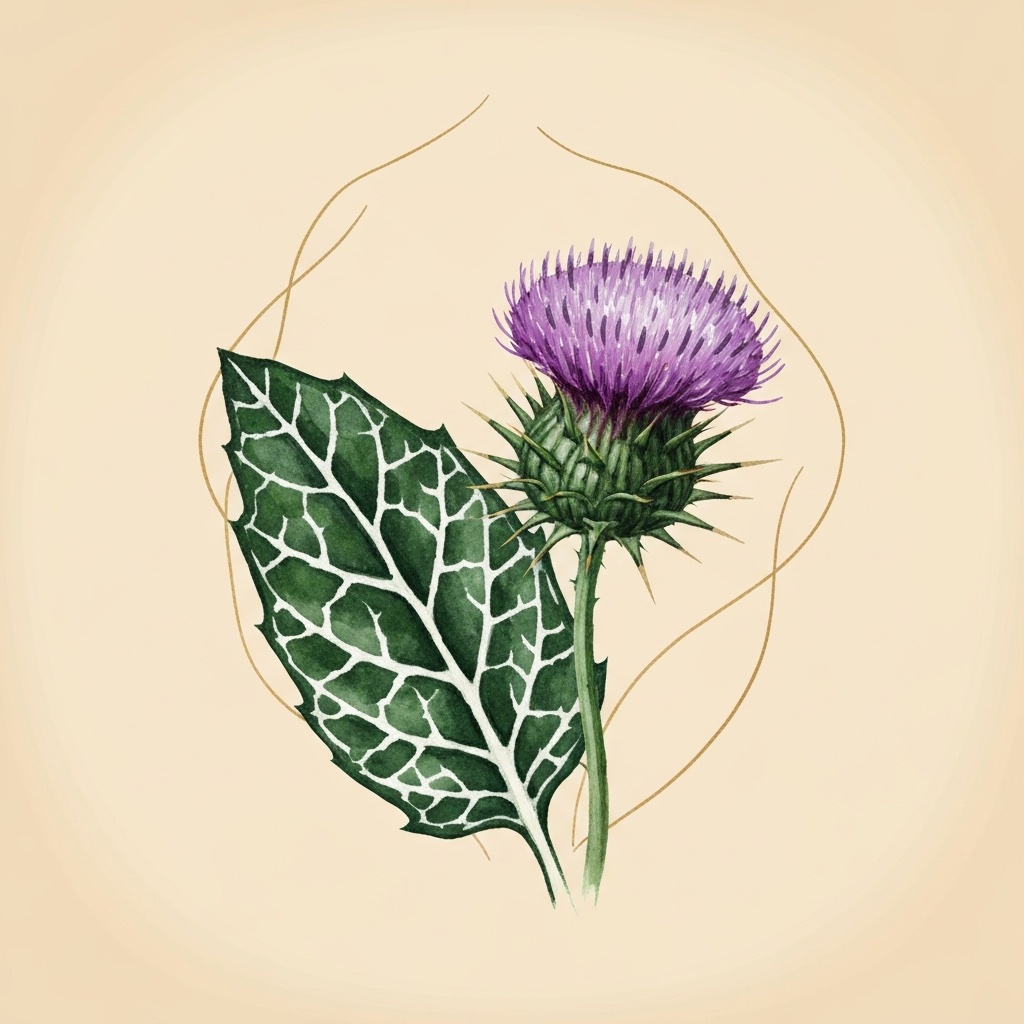
Milk Thistle
Silybum marianum
A flowering herb used for over 2,000 years to support liver health.

Spirulina
Arthrospira platensis
A blue-green algae that's one of the most nutrient-dense foods on Earth.
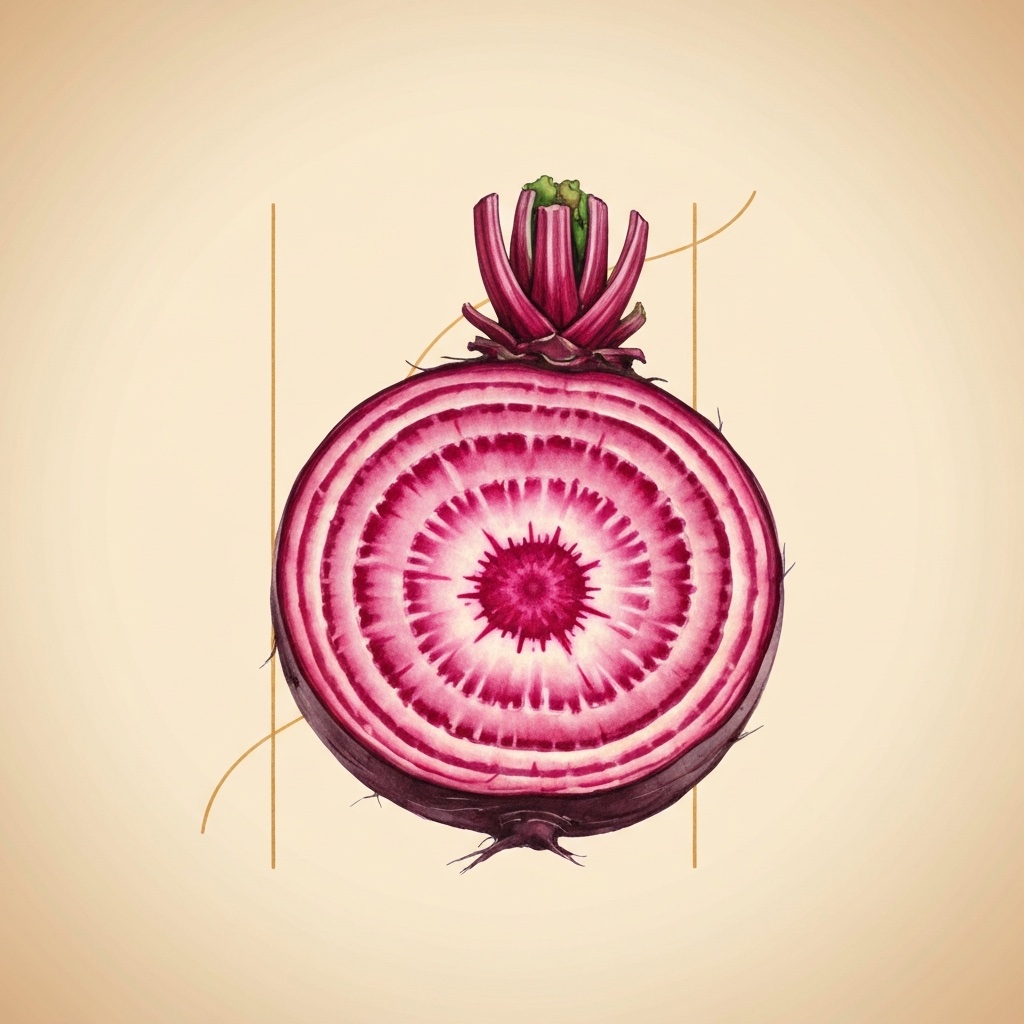
Beet Root
Beta vulgaris
A vibrant root vegetable prized for its high nitrate content.
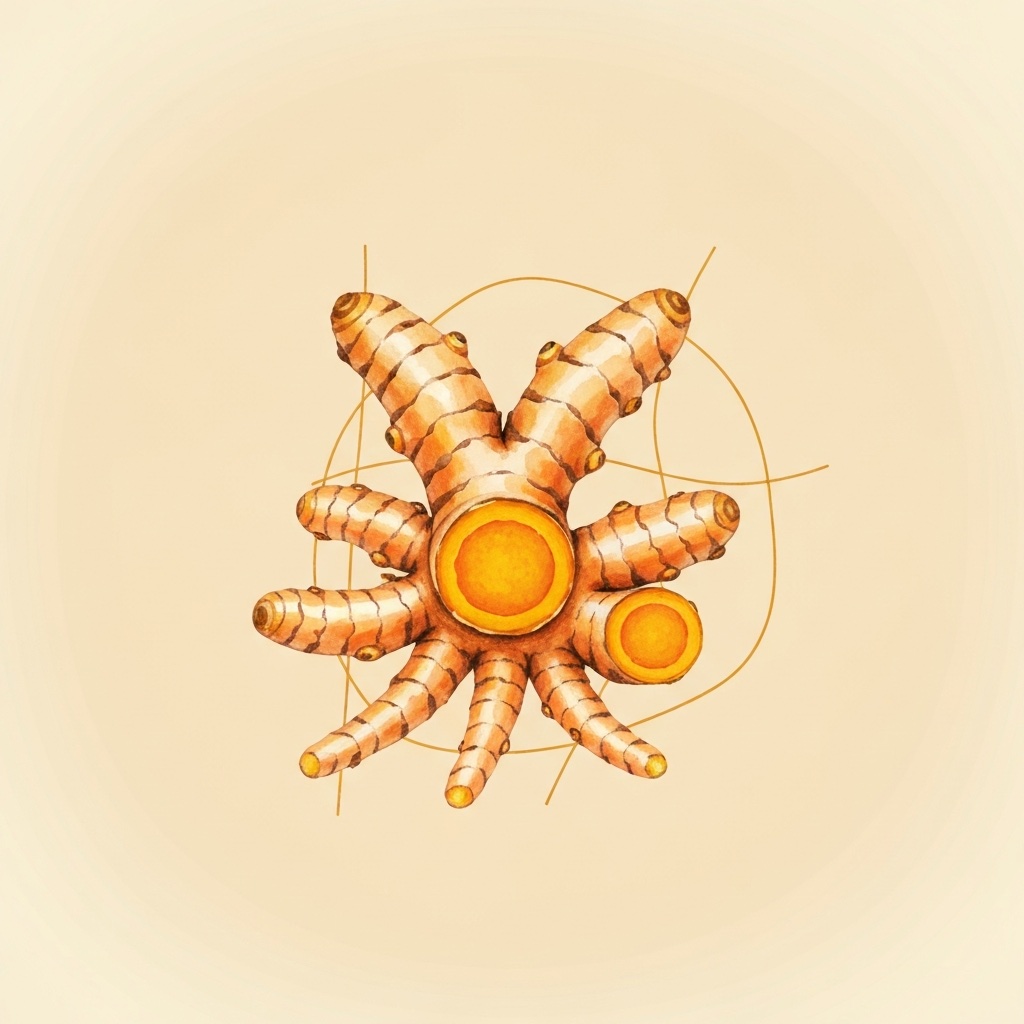
Turmeric
Curcuma longa
The golden spice of India, used for thousands of years in Ayurvedic medicine.
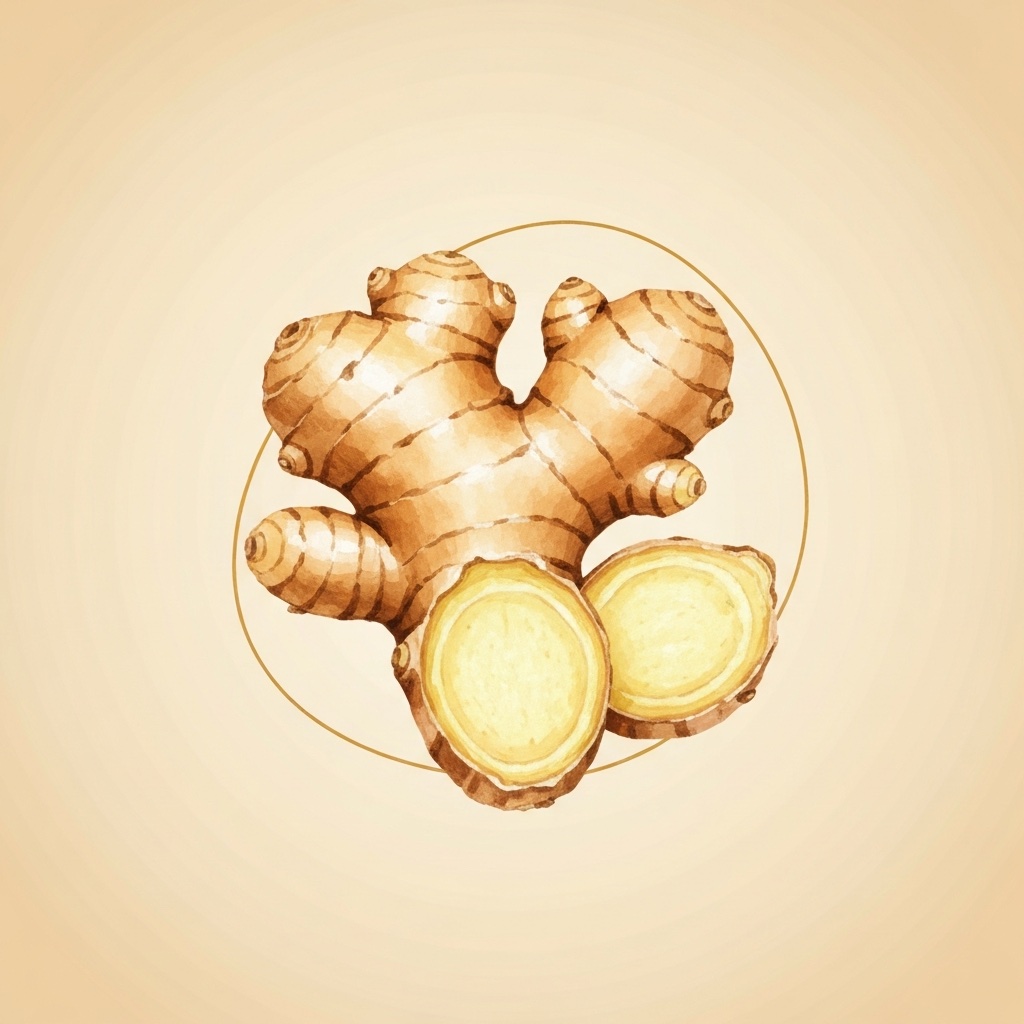
Ginger
Zingiber officinale
A warming root used for millennia across Asian and Middle Eastern cultures.
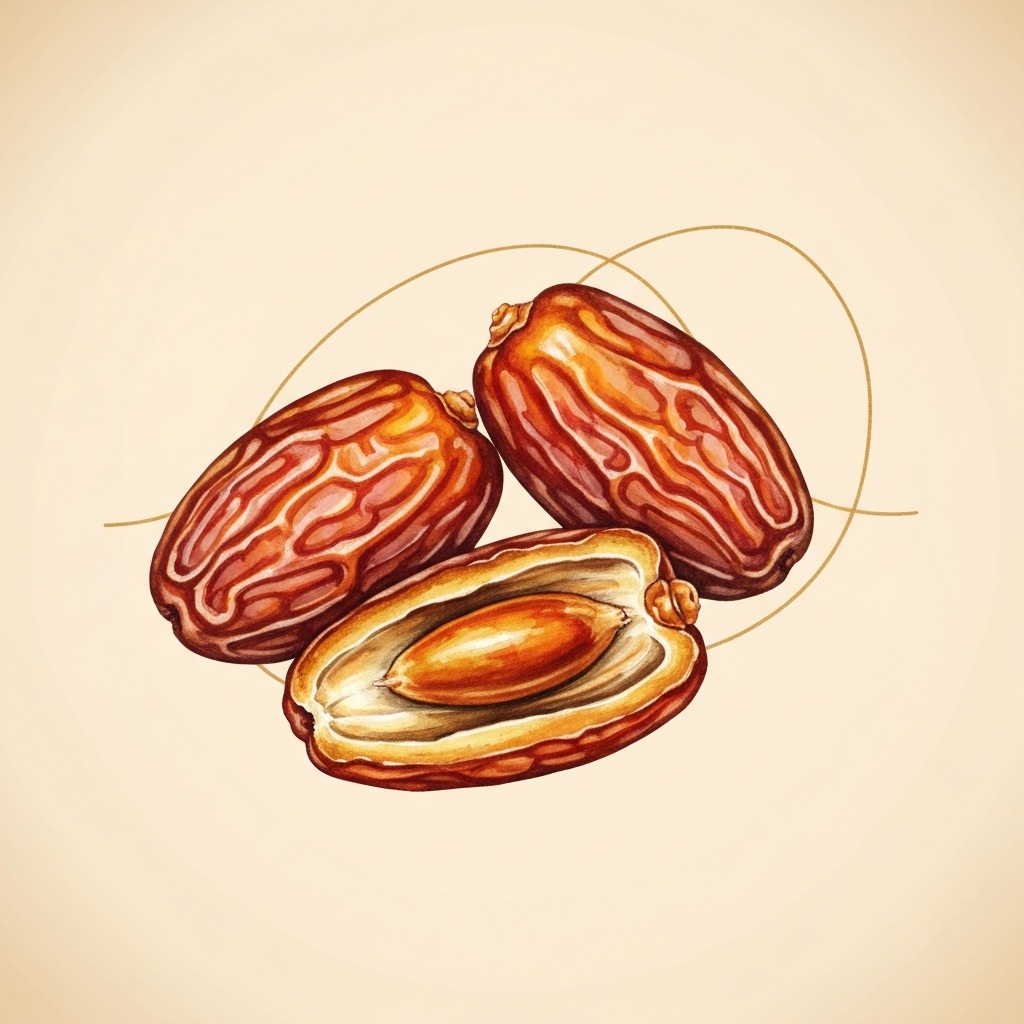
Date
Phoenix dactylifera
A nutrient-dense fruit from the date palm tree, dates have been a staple food in the Middle East for thousands of years.
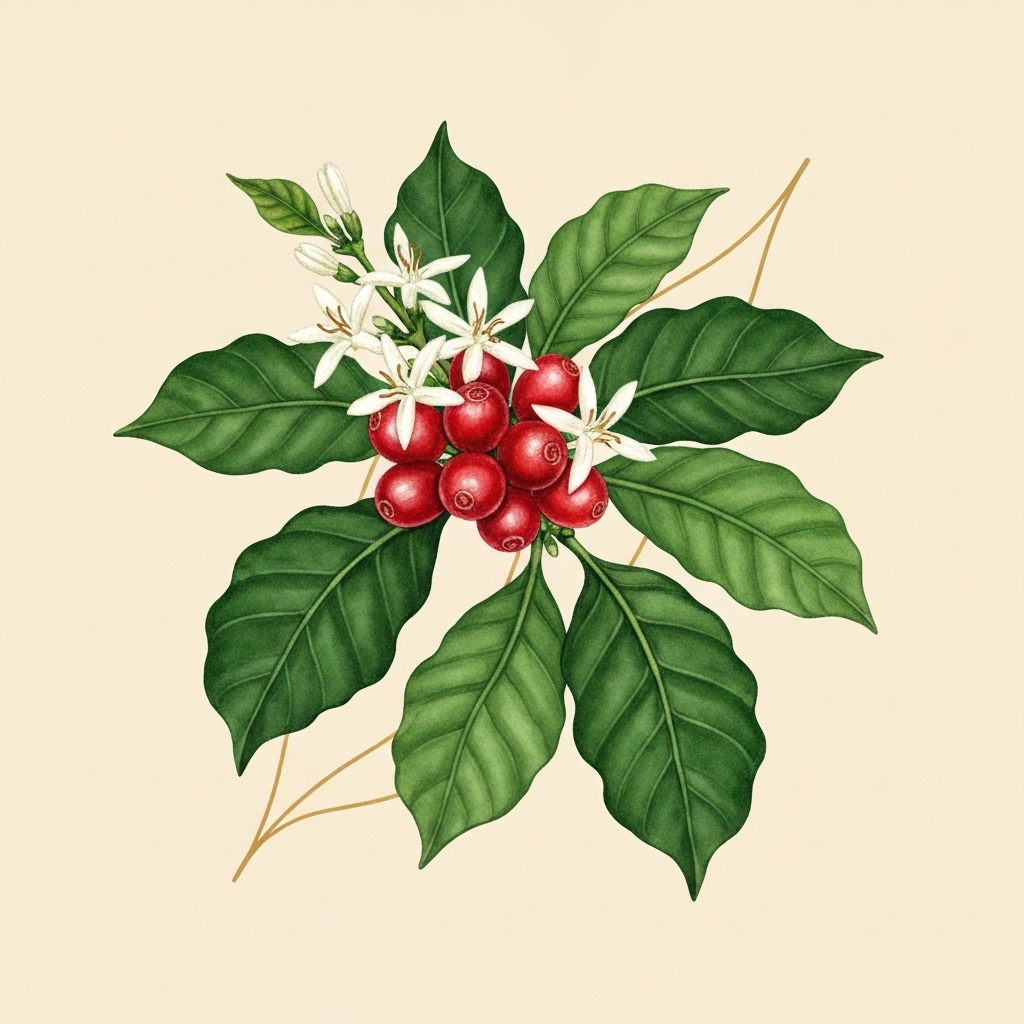
Roasted Arabica Coffee
Coffea arabica
Single-origin freeze-dried Arabica coffee from Papua New Guinea.
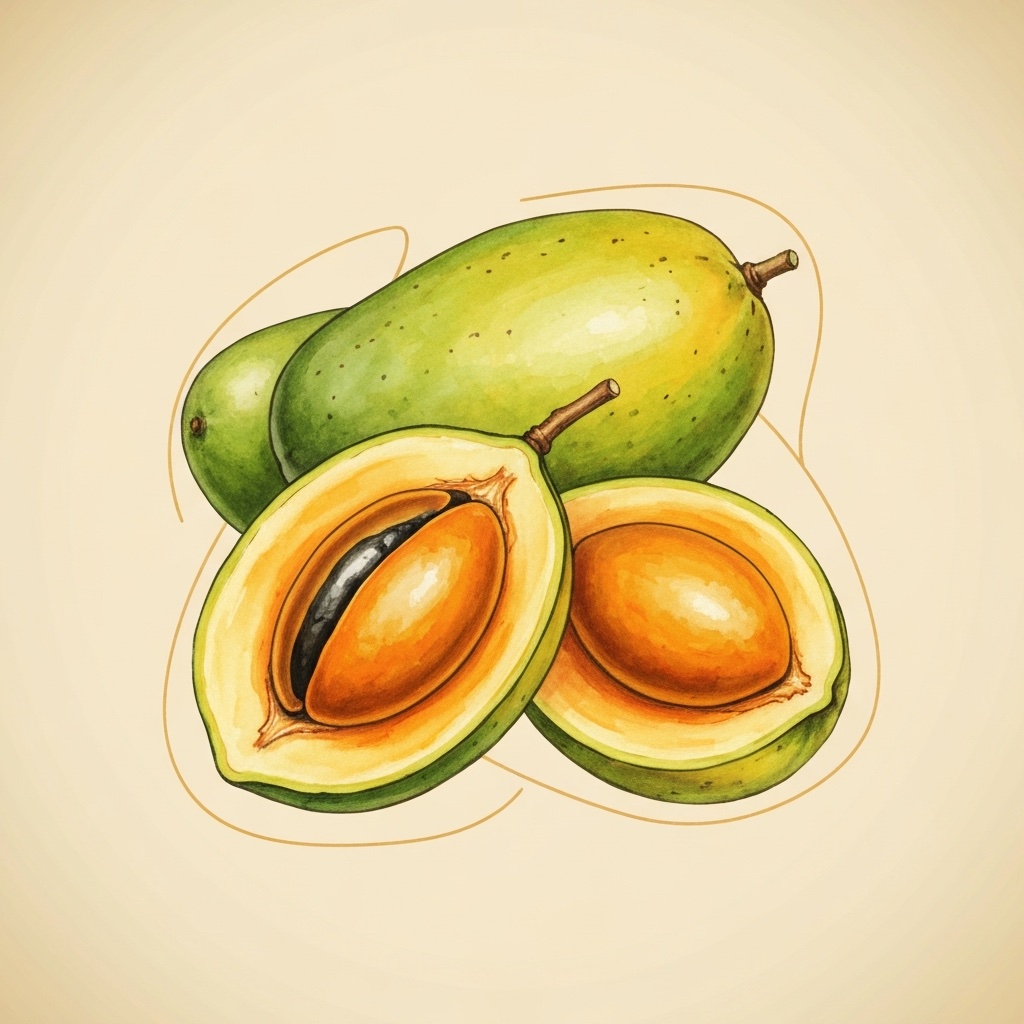
African Mango
Irvingia gabonensis
A tree native to West Africa whose seed extract has been studied for metabolic support.
Bovine Colostrum
Bos taurus colostrum
The nutrient-dense first milk produced by cows within the initial 24–72 hours after calving.
Vitality & Libido
Traditional botanicals and aminos for energy, hormones, and performance.
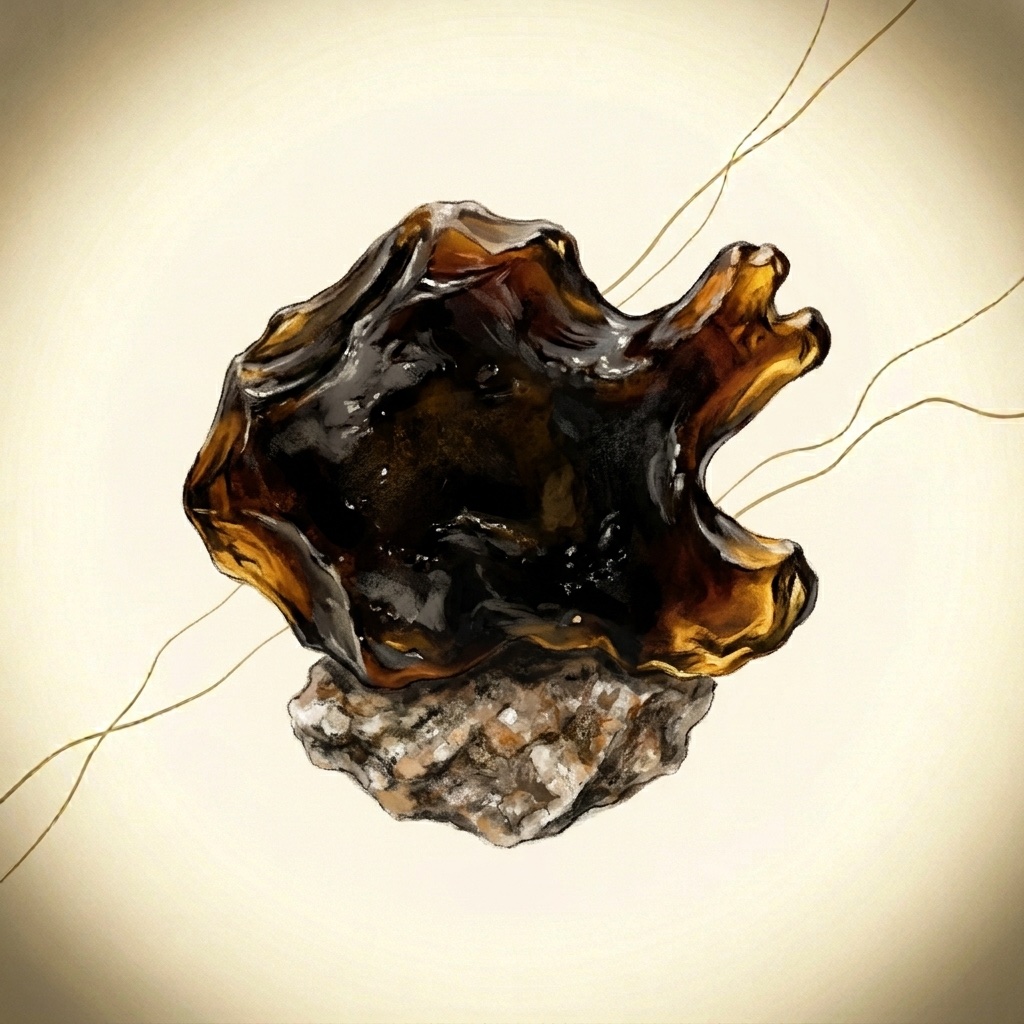
Shilajit
Asphaltum punjabianum
A mineral-rich resin found in the Himalayas, formed over centuries from decomposed plant matter.
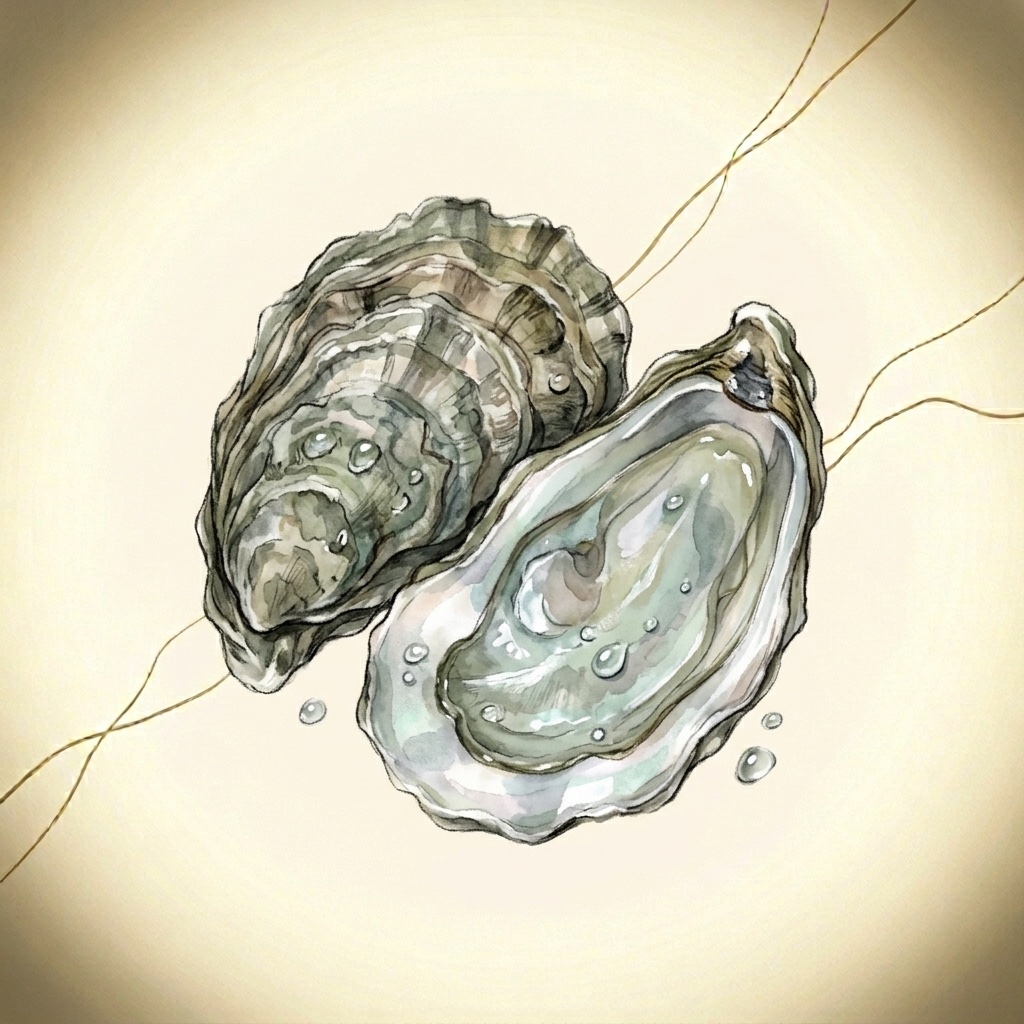
Oyster Peptide
Crassostrea gigas
Derived from oysters, one of nature's richest sources of zinc.
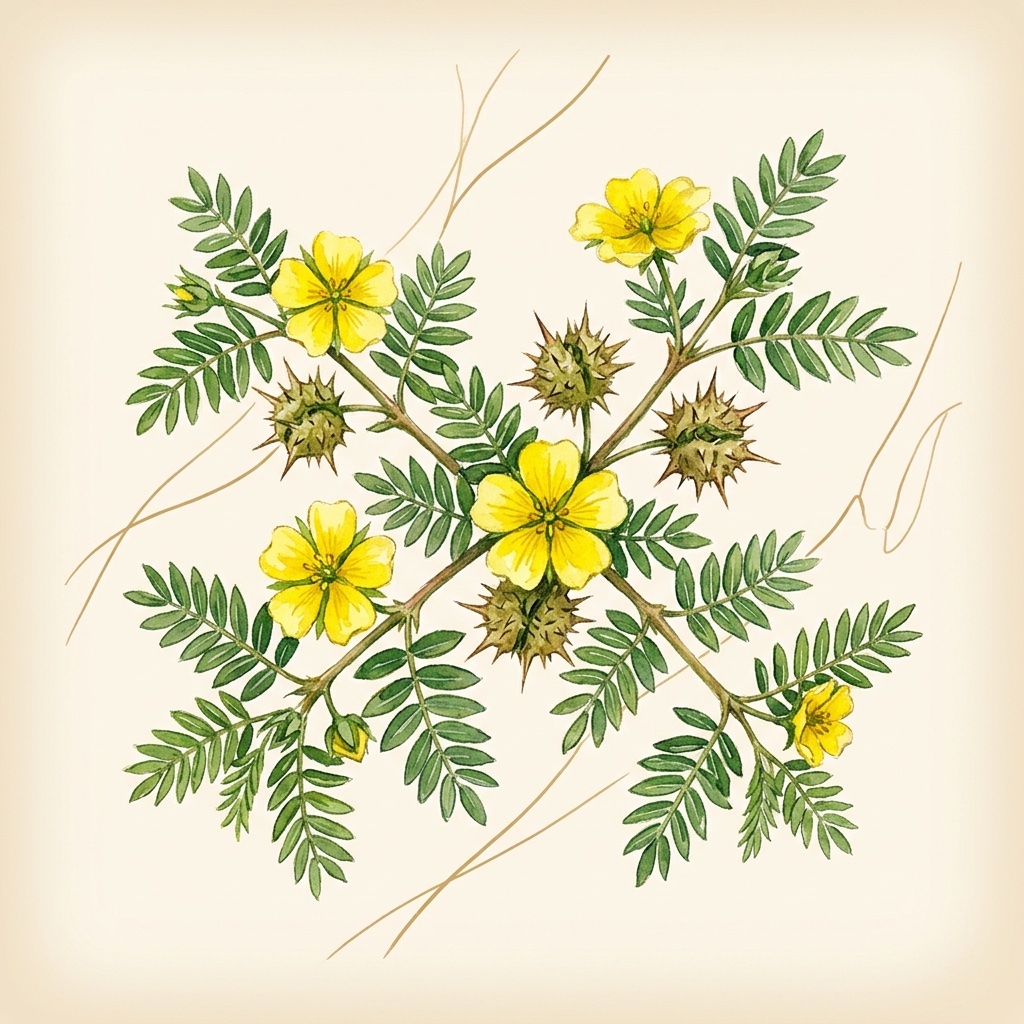
Tribulus Terrestris
Tribulus terrestris
A flowering plant used for centuries in traditional Ayurvedic and Chinese medicine.
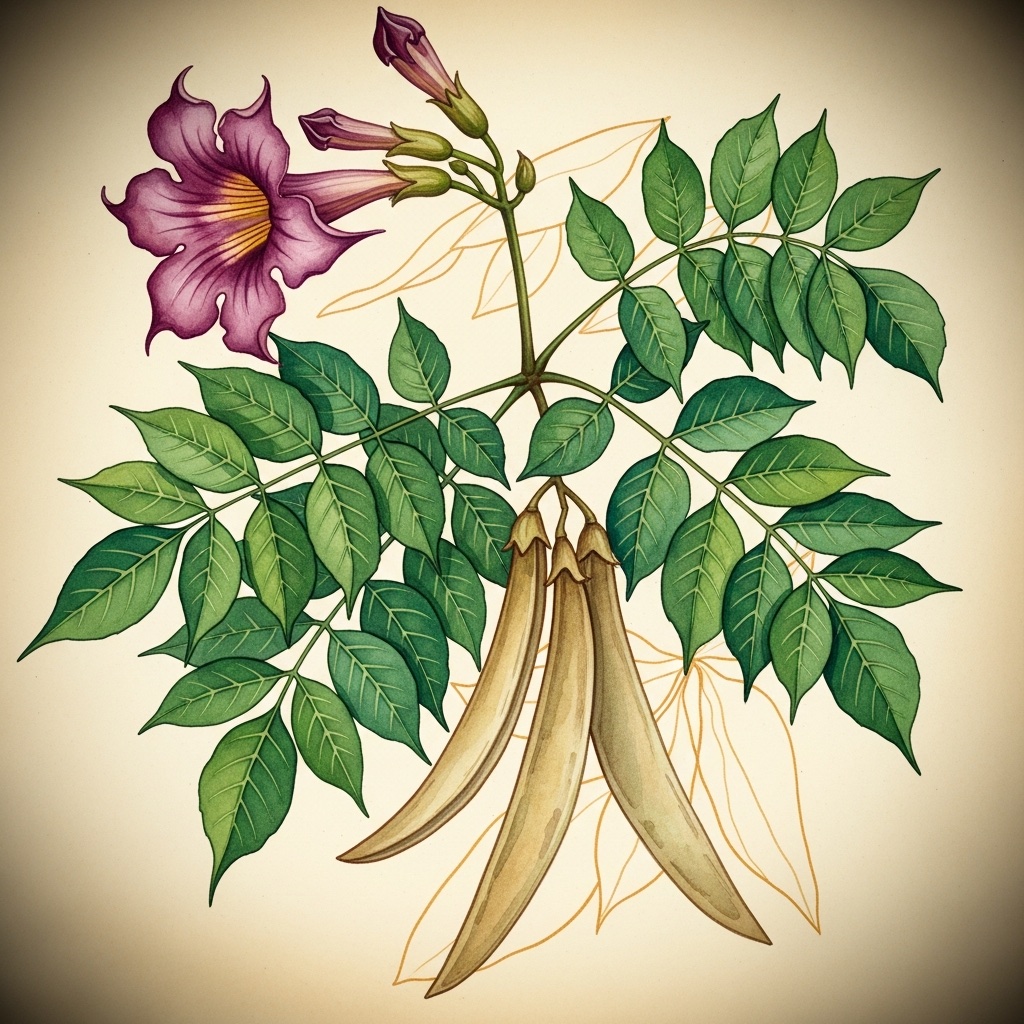
Oroxylum indicum
Oroxylum indicum
A tree native to South and Southeast Asia, known as the Indian Trumpet Tree.
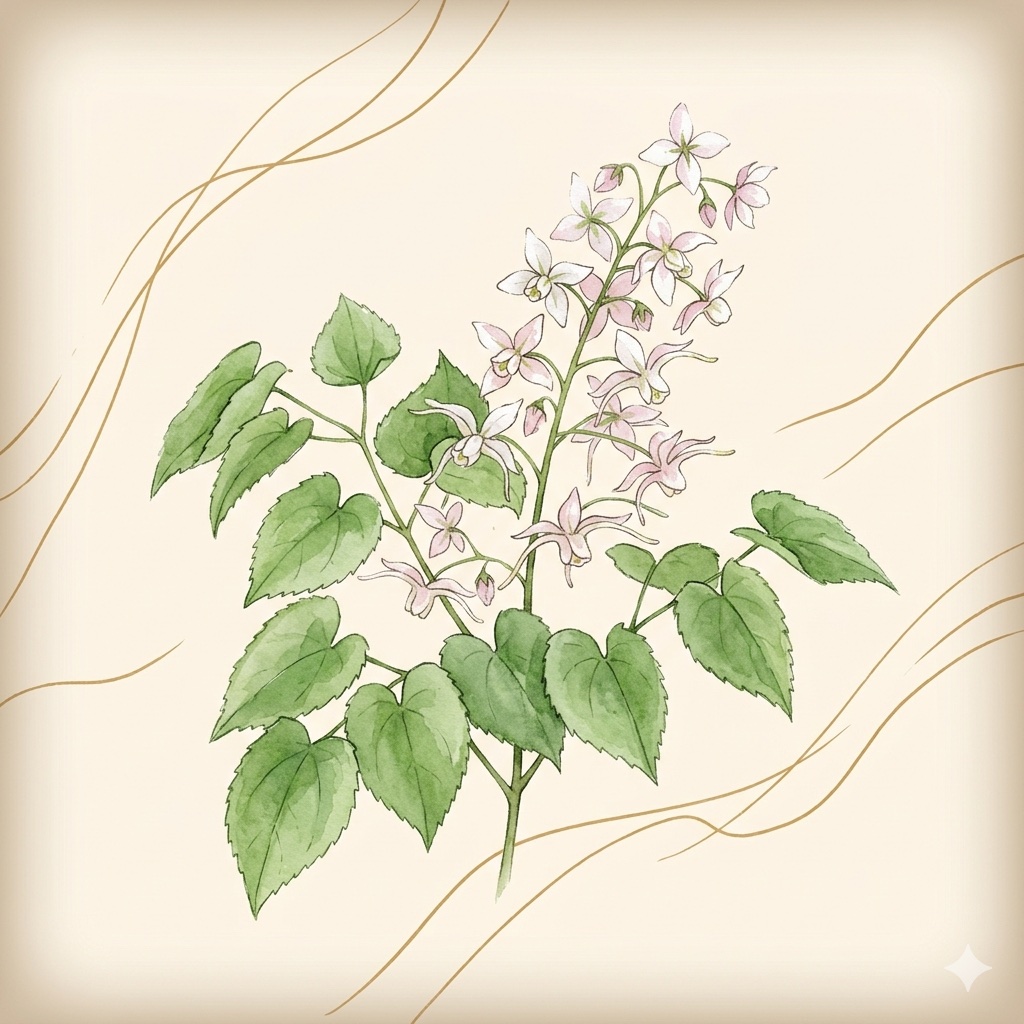
Horny Goat Weed
Epimedium sagittatum
A traditional Chinese herb used for over 2,000 years to support male vitality.
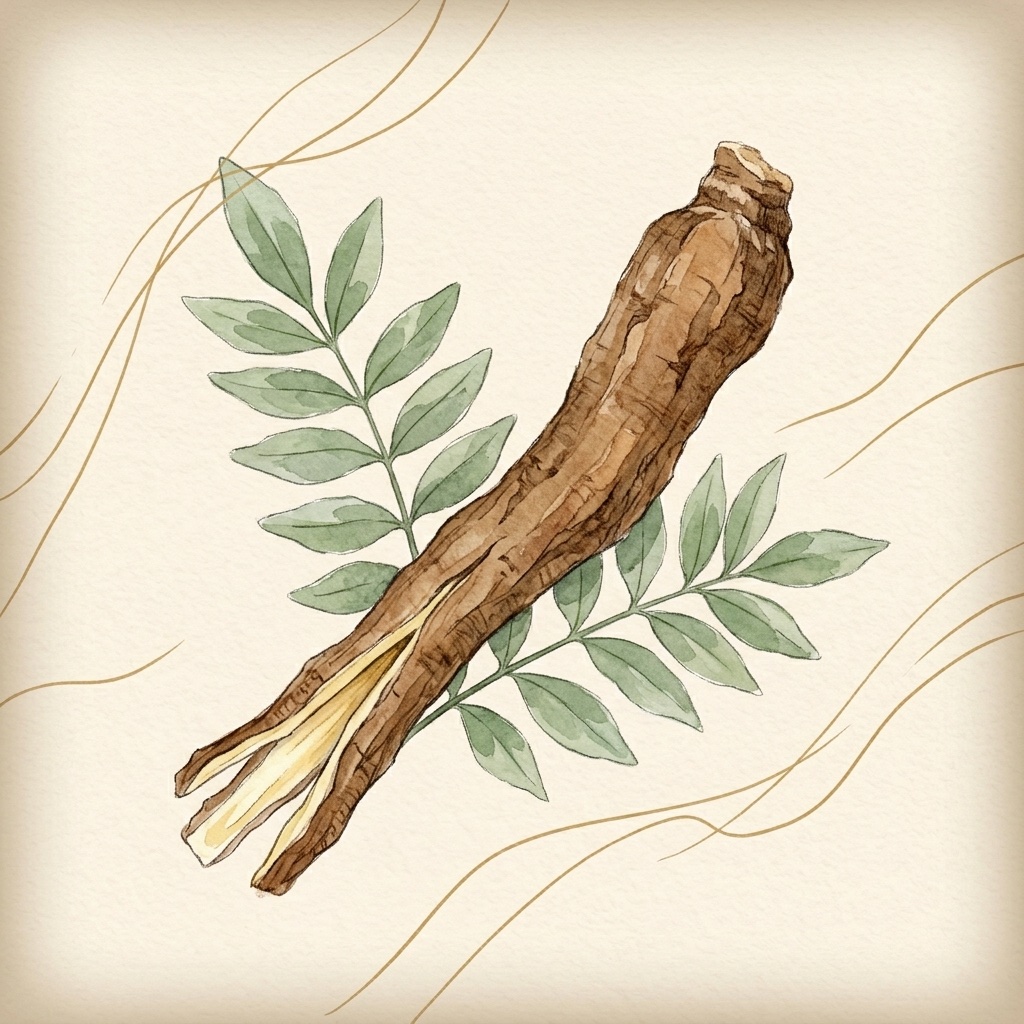
Longjack (Tongkat Ali)
Eurycoma longifolia
Also known as Tongkat Ali or Malaysian Ginseng, this root has been used for centuries in Southeast Asian traditional medicine as a powerful male tonic.
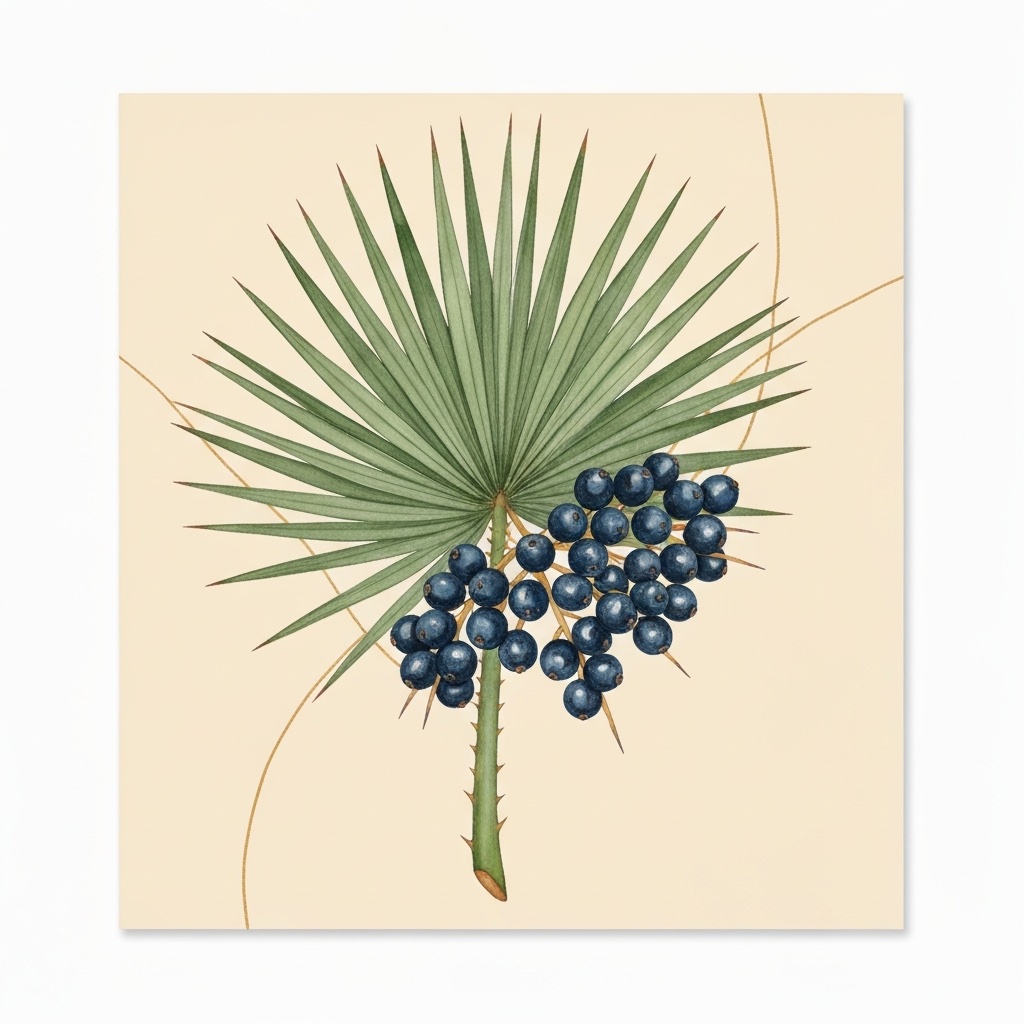
Saw Palmetto
Serenoa repens
A small palm native to the southeastern United States.
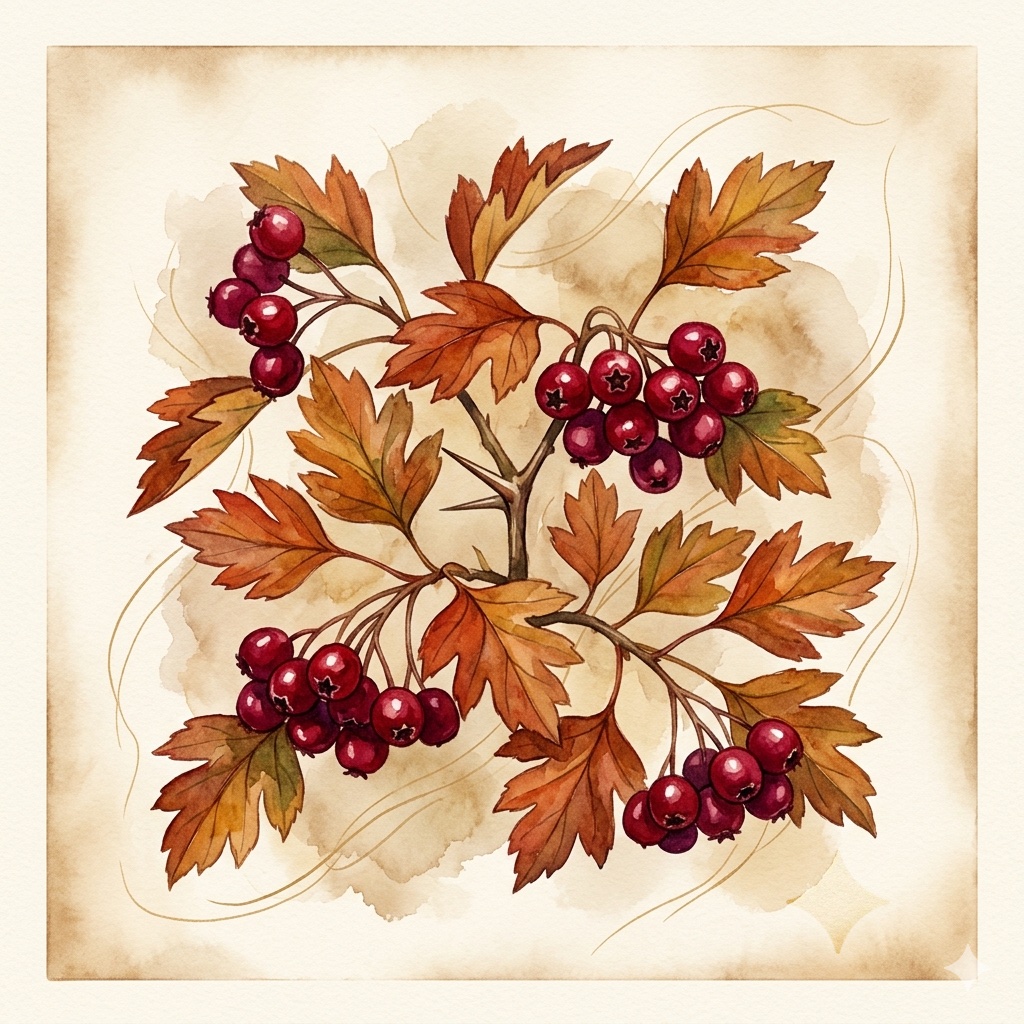
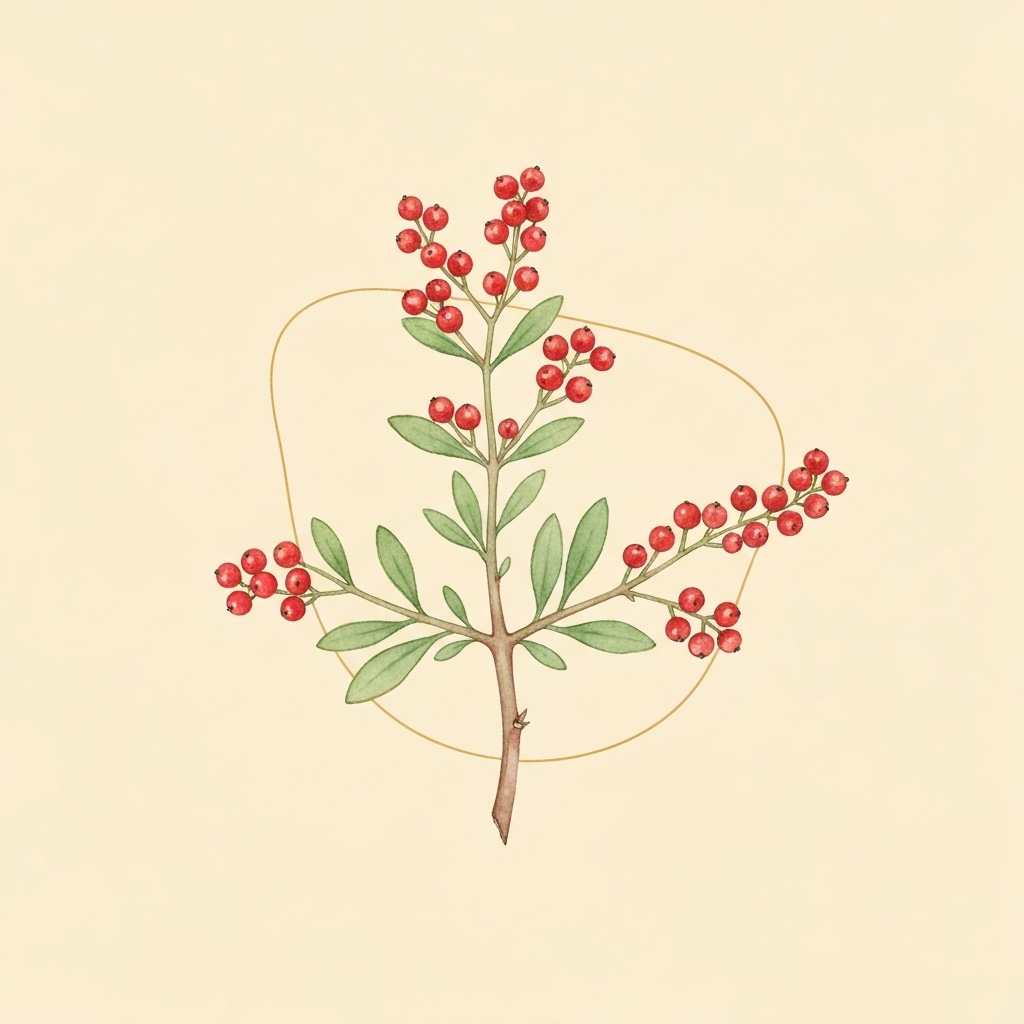
Hawthorn Berries
Crataegus pinnatifida
A thorny shrub with bright red berries used in traditional medicine across Europe and Asia.
Cissus Quadrangularis
Cissus quadrangularis
A perennial vine native to Africa and Asia, traditionally used for bone health and joint support.
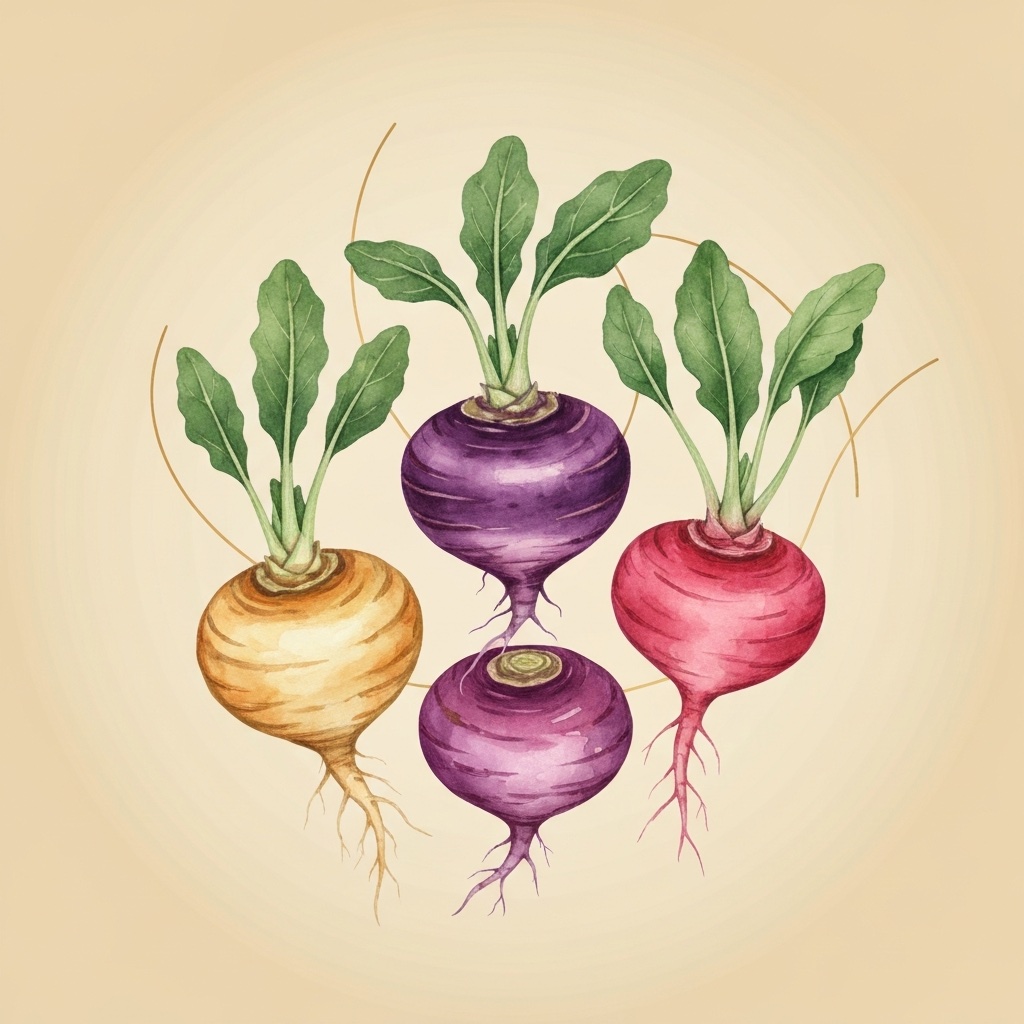
Maca Root
Lepidium meyenii
A cruciferous root vegetable native to the high Andes of Peru, cultivated for over 2,000 years.
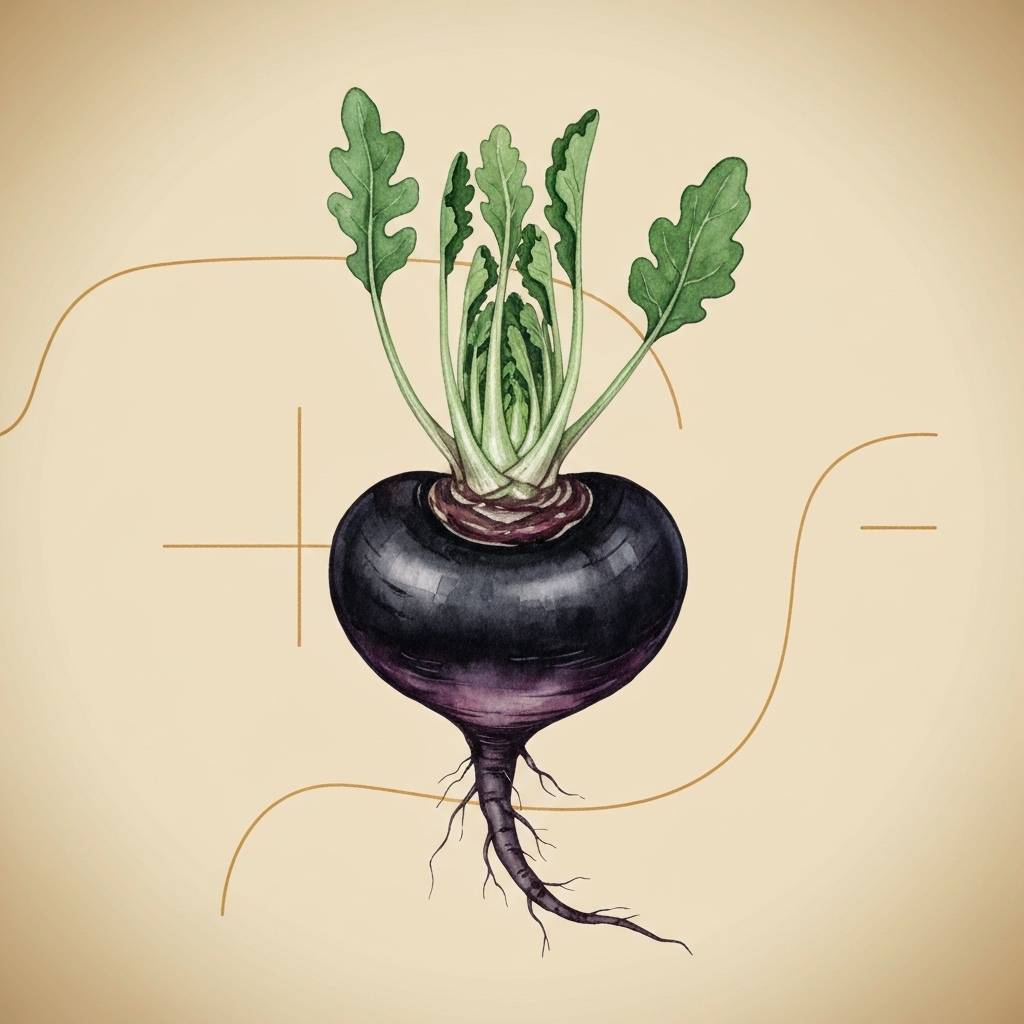
Black Maca Root
Lepidium meyenii (black ecotype)
The black ecotype of Peruvian maca, cultivated above 4,000 meters in the Central Andes.
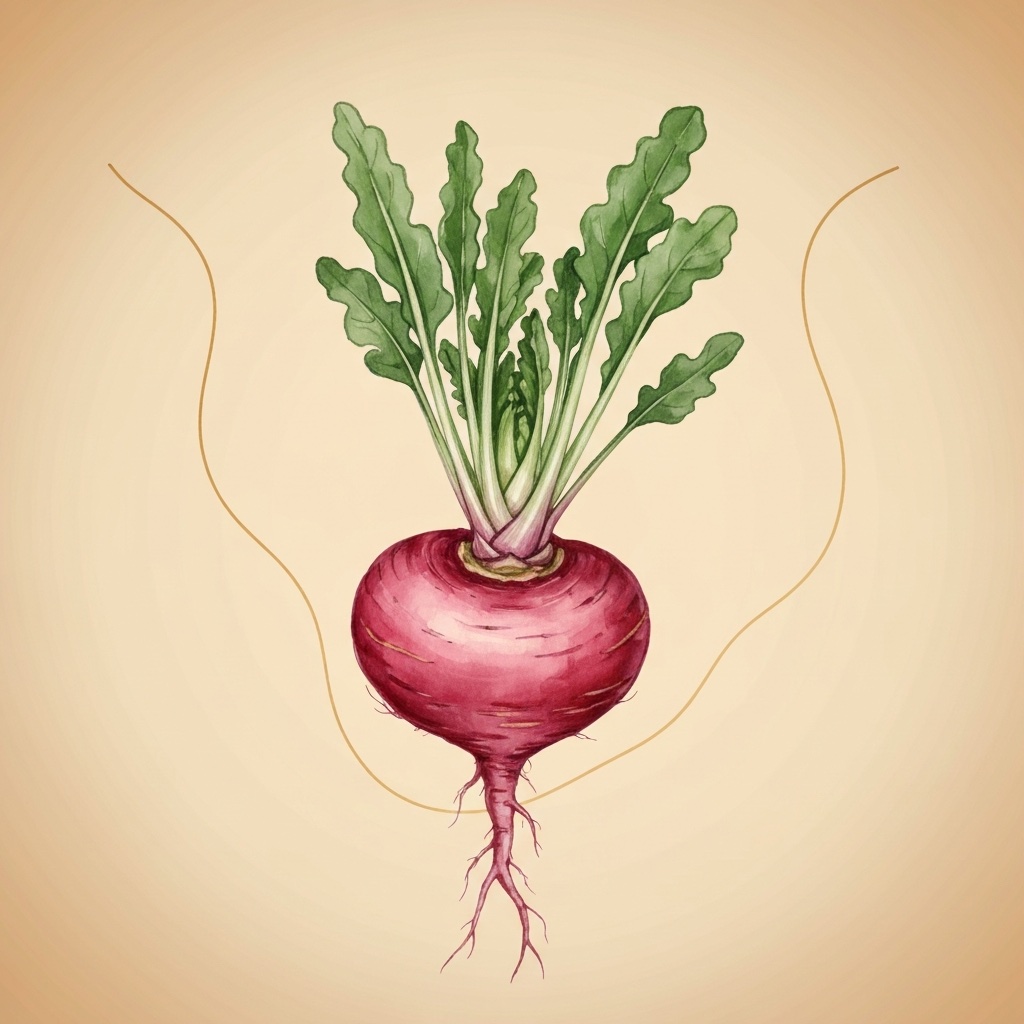
Red Maca Root
Lepidium meyenii (red ecotype)
The red ecotype of Peruvian maca, distinguished by its reddish-purple hypocotyl.
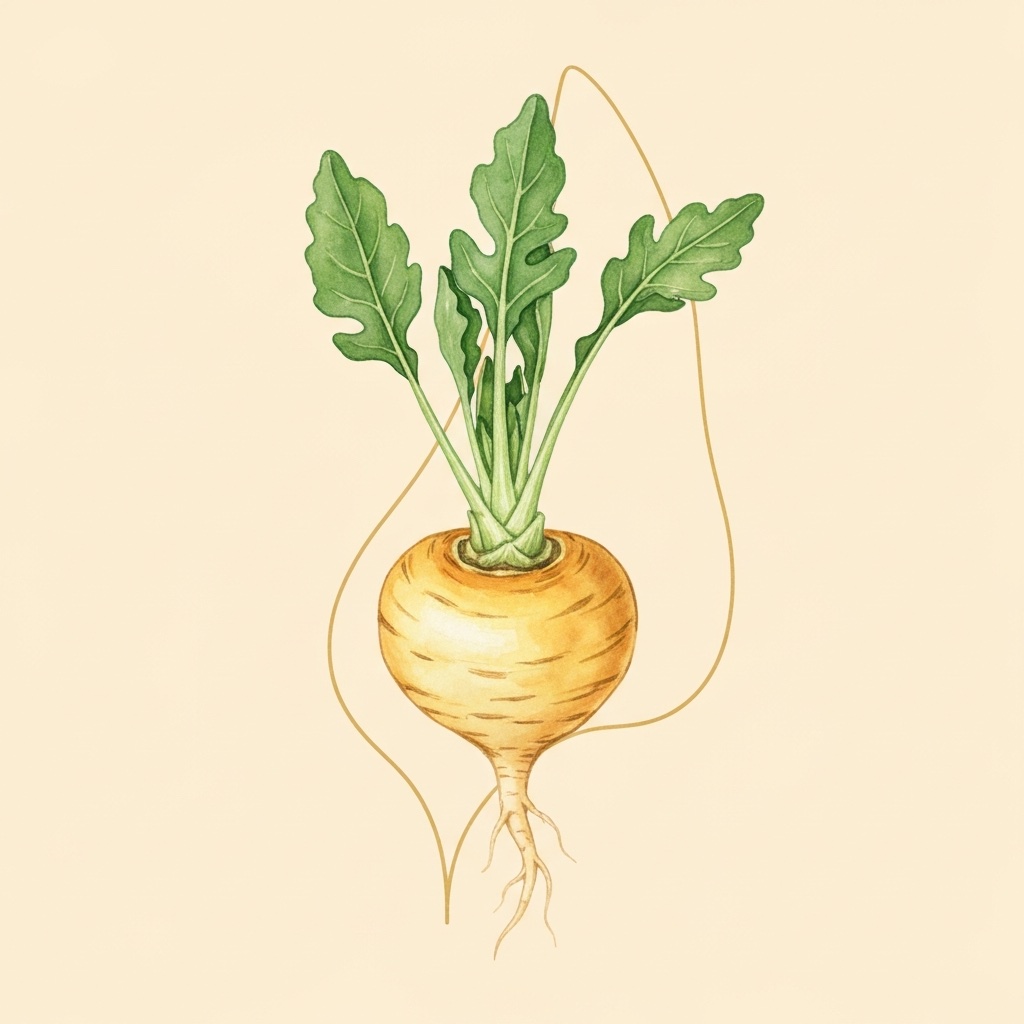
Yellow Maca Root
Lepidium meyenii (yellow ecotype)
The most common and commercially cultivated ecotype of Peruvian maca.
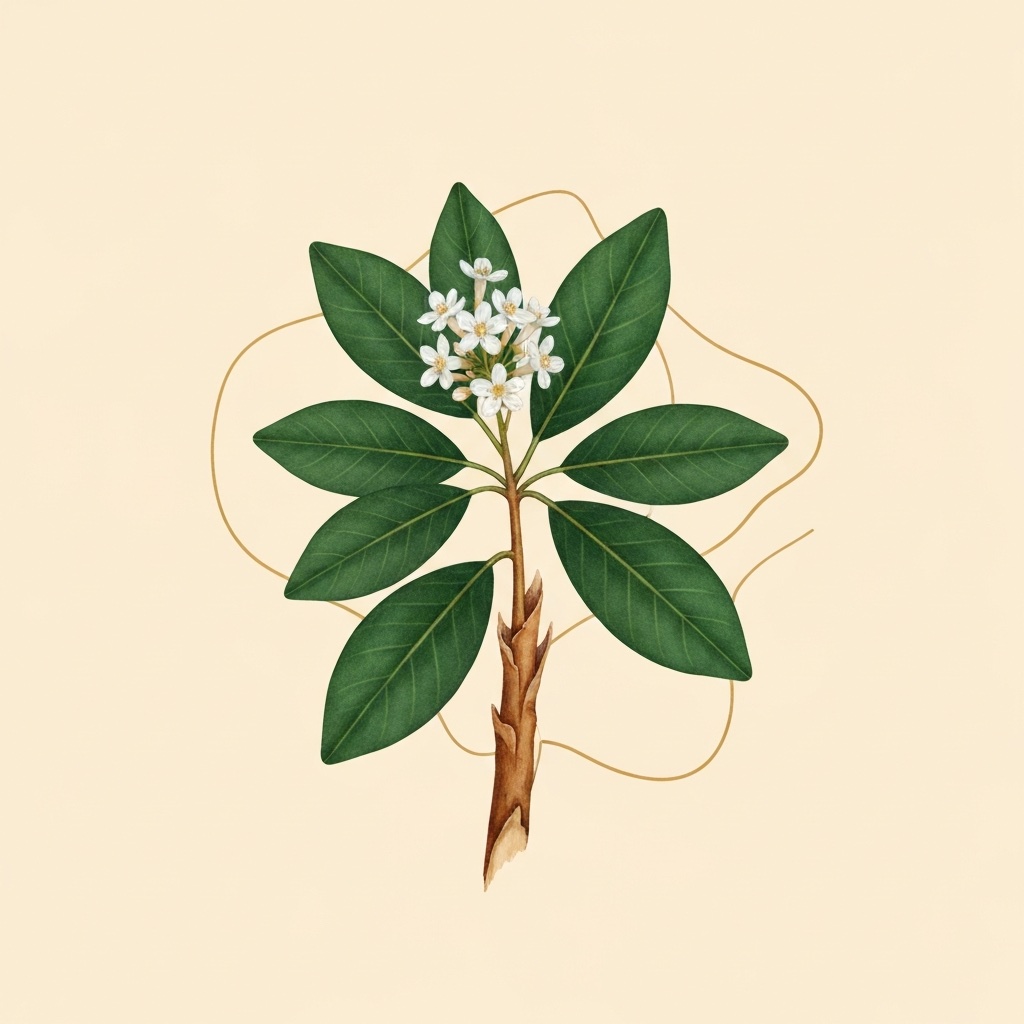
Muira Puama
Ptychopetalum olacoides
Known as "potency wood" in the Amazon, this root and bark have been used in Brazilian traditional medicine for centuries as a nerve tonic and adaptogen.
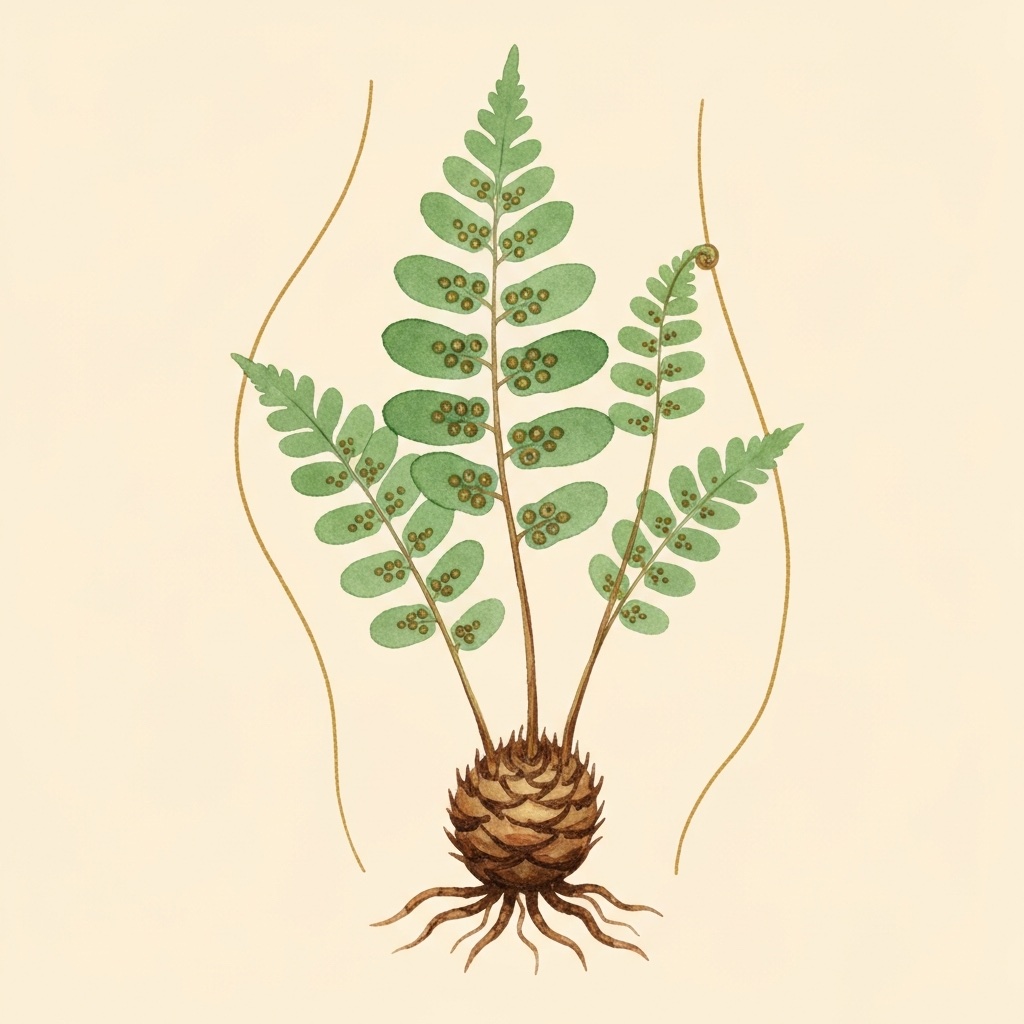
Polypodium Vulgare
Polypodium vulgare
A fern species used in traditional herbalism for centuries.
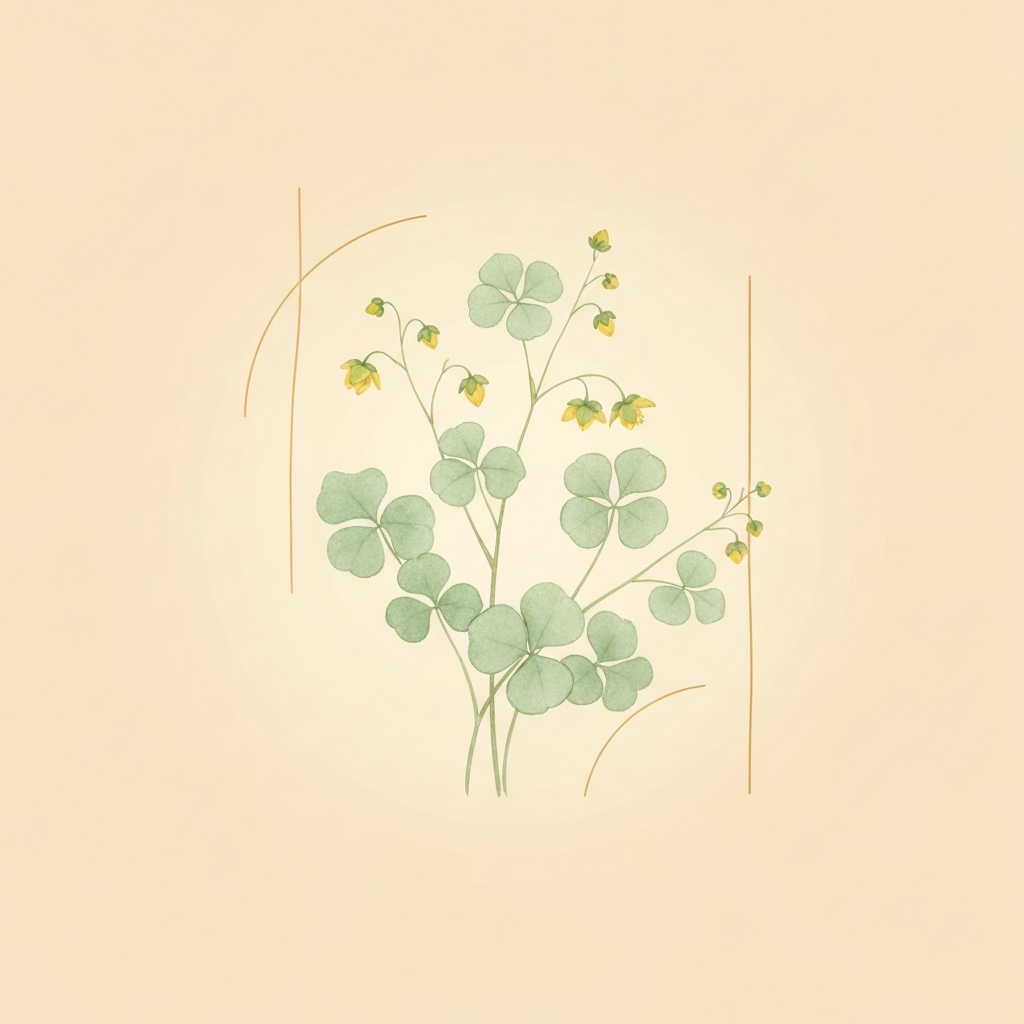
Epimedium (Horny Goat Weed)
Epimedium sagittatum
A flowering plant in the Berberidaceae family with over 2,000 years of documented use in Traditional Chinese Medicine to support sexual vitality.
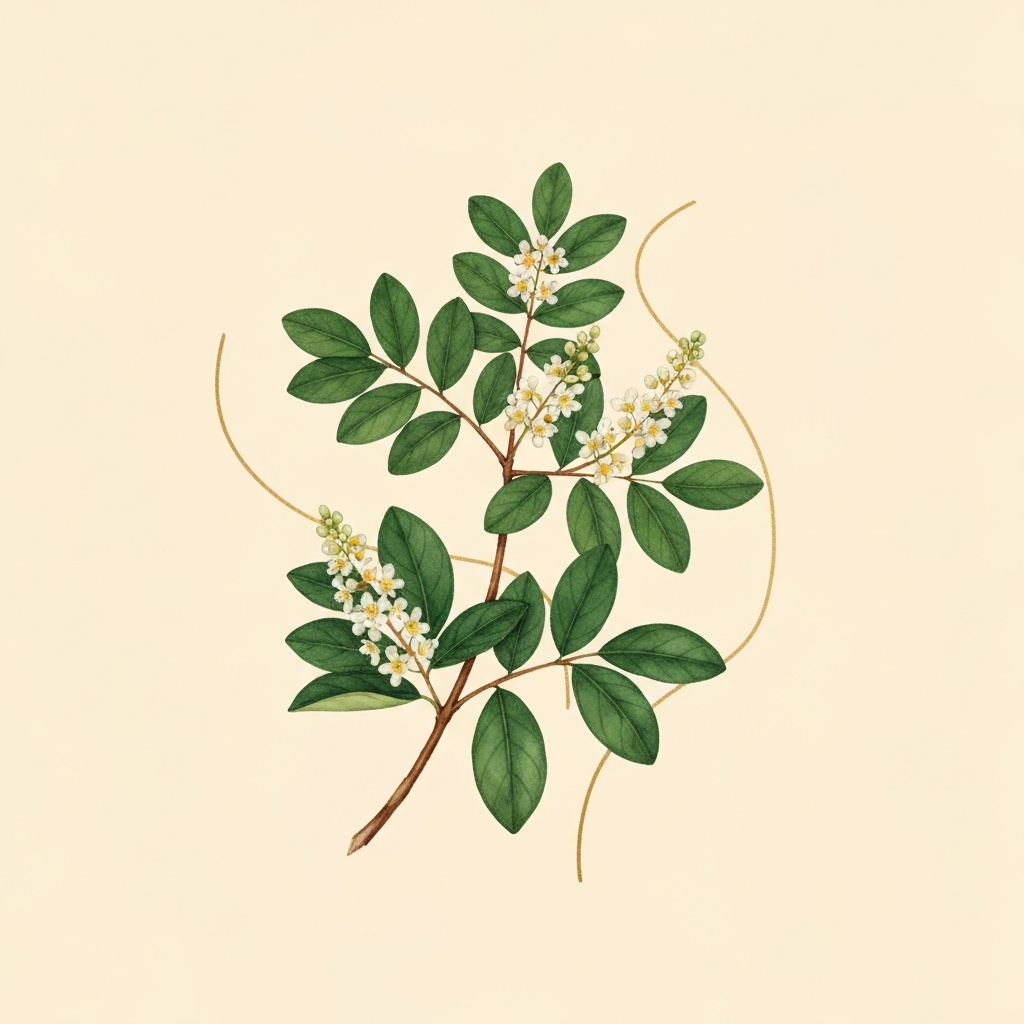
Catuaba
Trichilia catigua
A small tree native to the Brazilian Atlantic Forest, traditionally used in Tupi indigenous medicine as a tonic for mood and vitality.
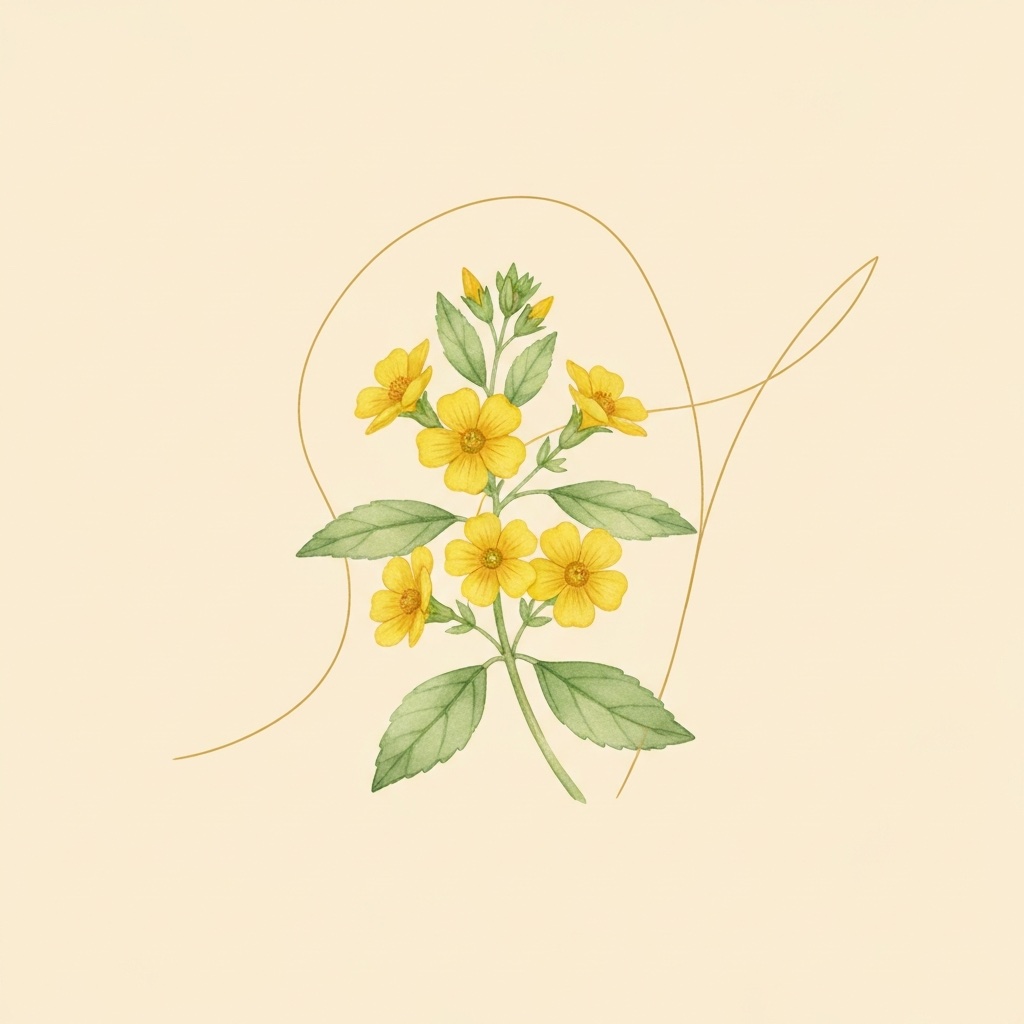
Damiana
Turnera diffusa
A small aromatic shrub native to Central America, the Caribbean, and southern Texas.
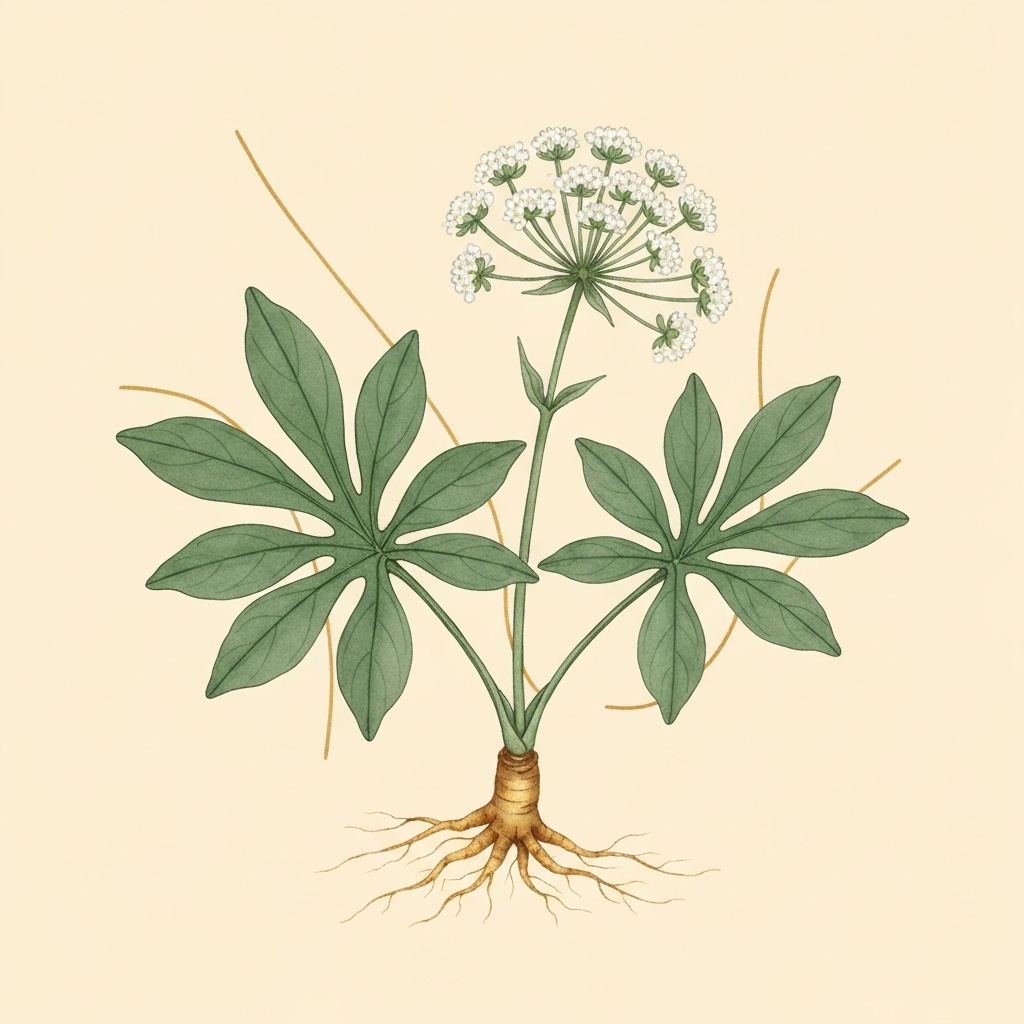
Dong Quai
Angelica sinensis
Often called 'Female Ginseng,' dong quai is one of the most widely used herbs in Traditional Chinese Medicine for women's health.
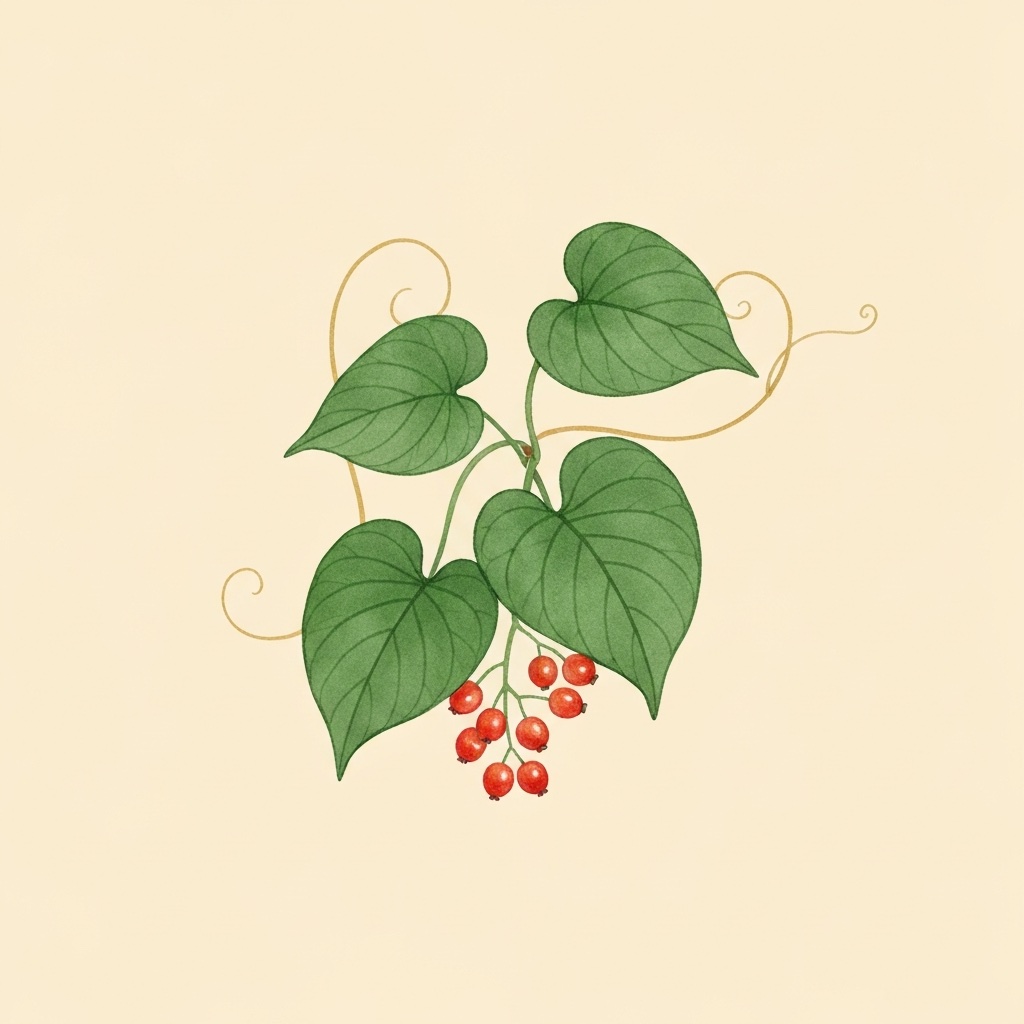
Chinese Smilax
Smilax china
A thorny climbing vine used in traditional Chinese medicine for centuries.
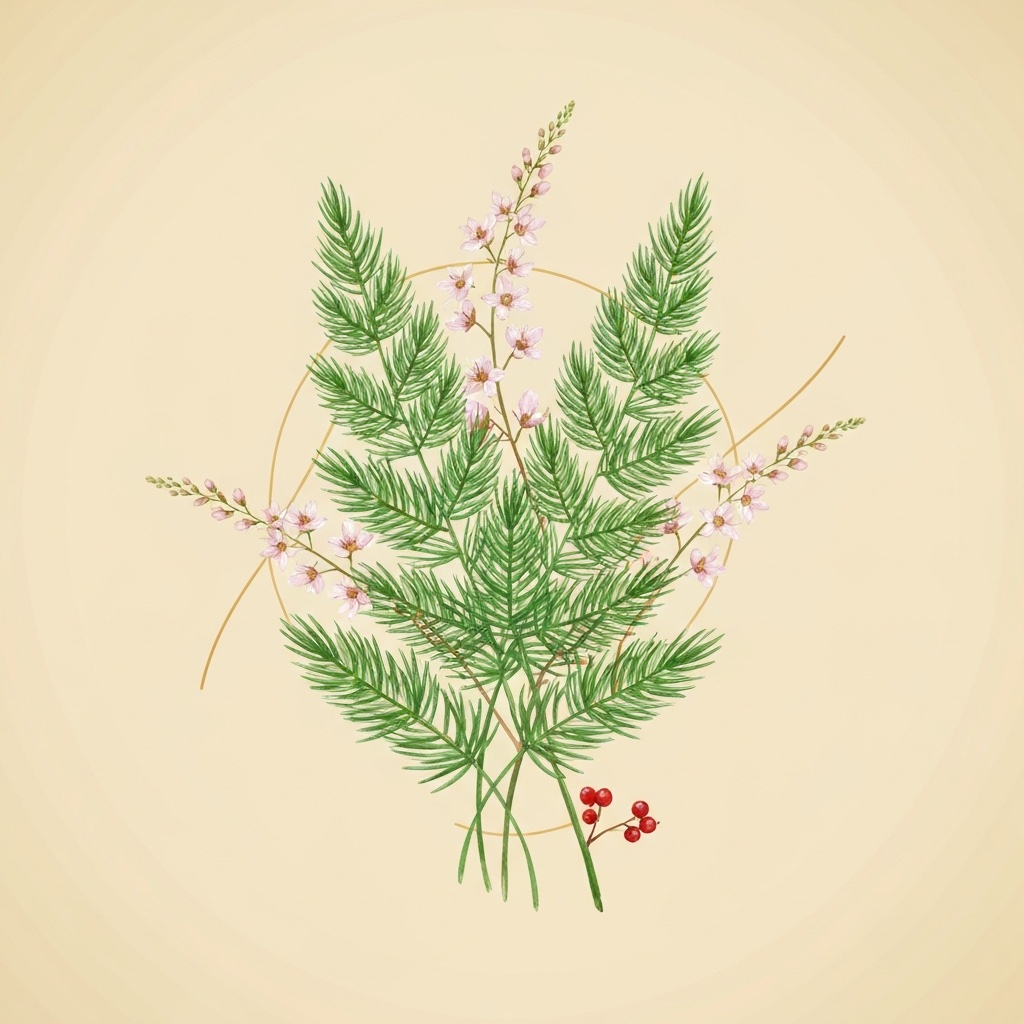
Shatavari
Asparagus racemosus
A climbing plant native to the Indian subcontinent and a cornerstone of Ayurvedic medicine for women's health.

Pygeum
Prunus africana
An evergreen tree native to Africa whose bark extract has been used traditionally for urinary and prostate health.
Sea Vegetables
Mineral-rich plants from the ocean.
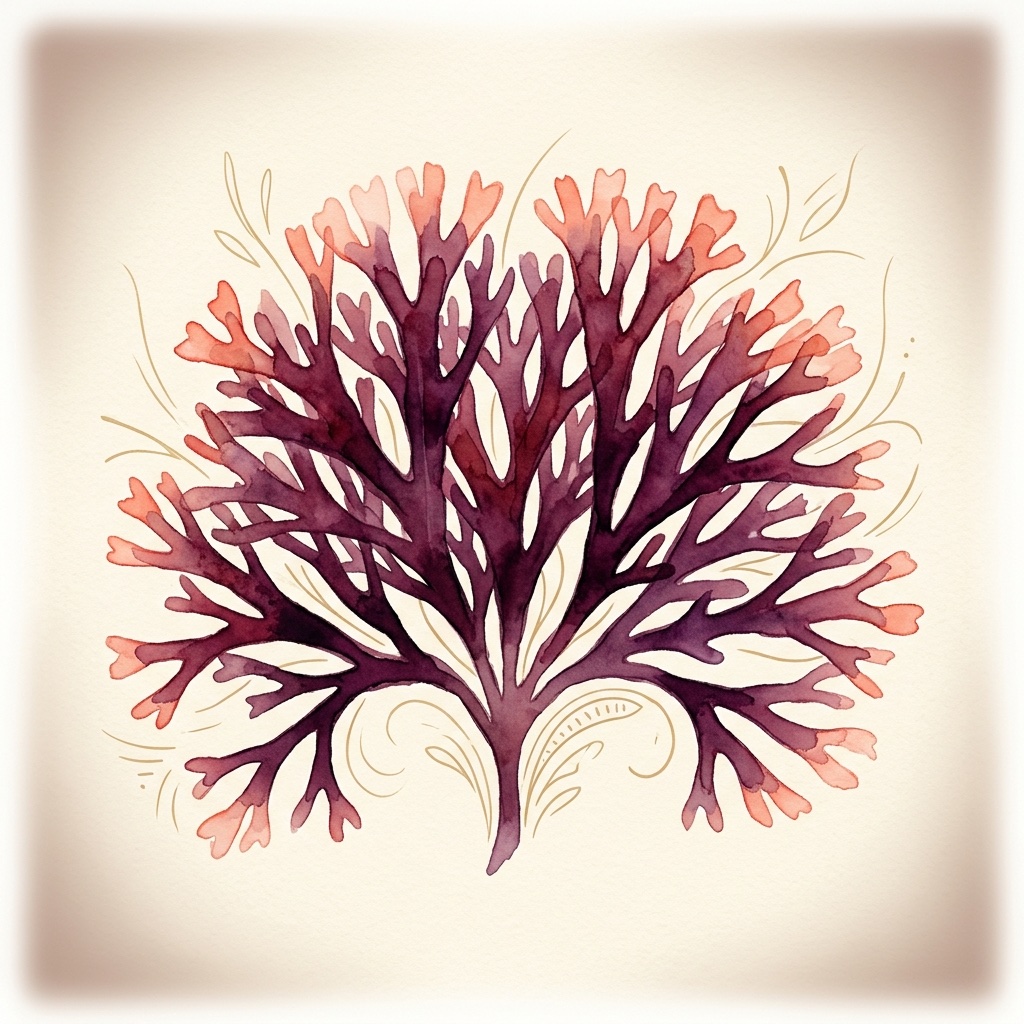
Irish Moss
Chondrus crispus
A red algae harvested from the Atlantic coast, Irish Moss (Sea Moss) contains 92 of the 102 minerals the body needs.
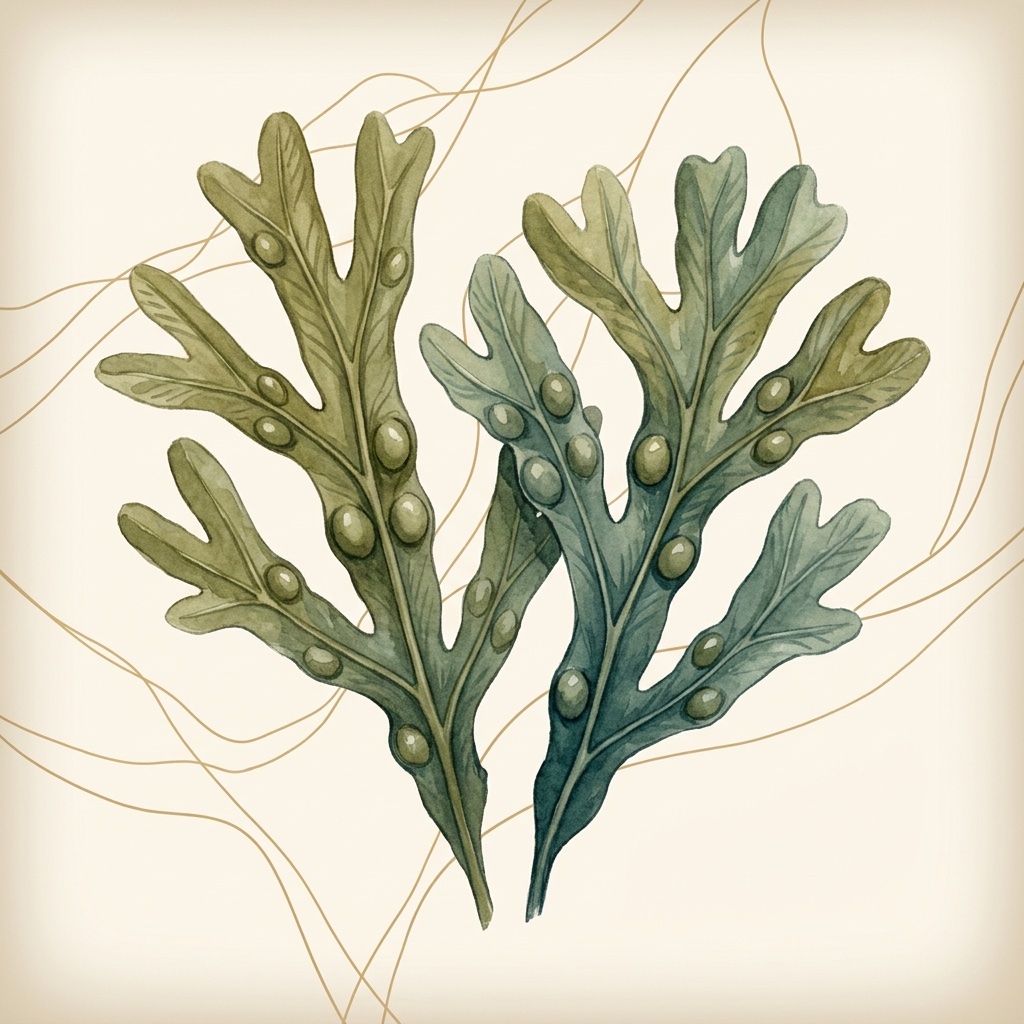
Bladderwrack
Fucus vesiculosus
A brown seaweed found in the North Atlantic, Bladderwrack is one of the richest natural sources of iodine.
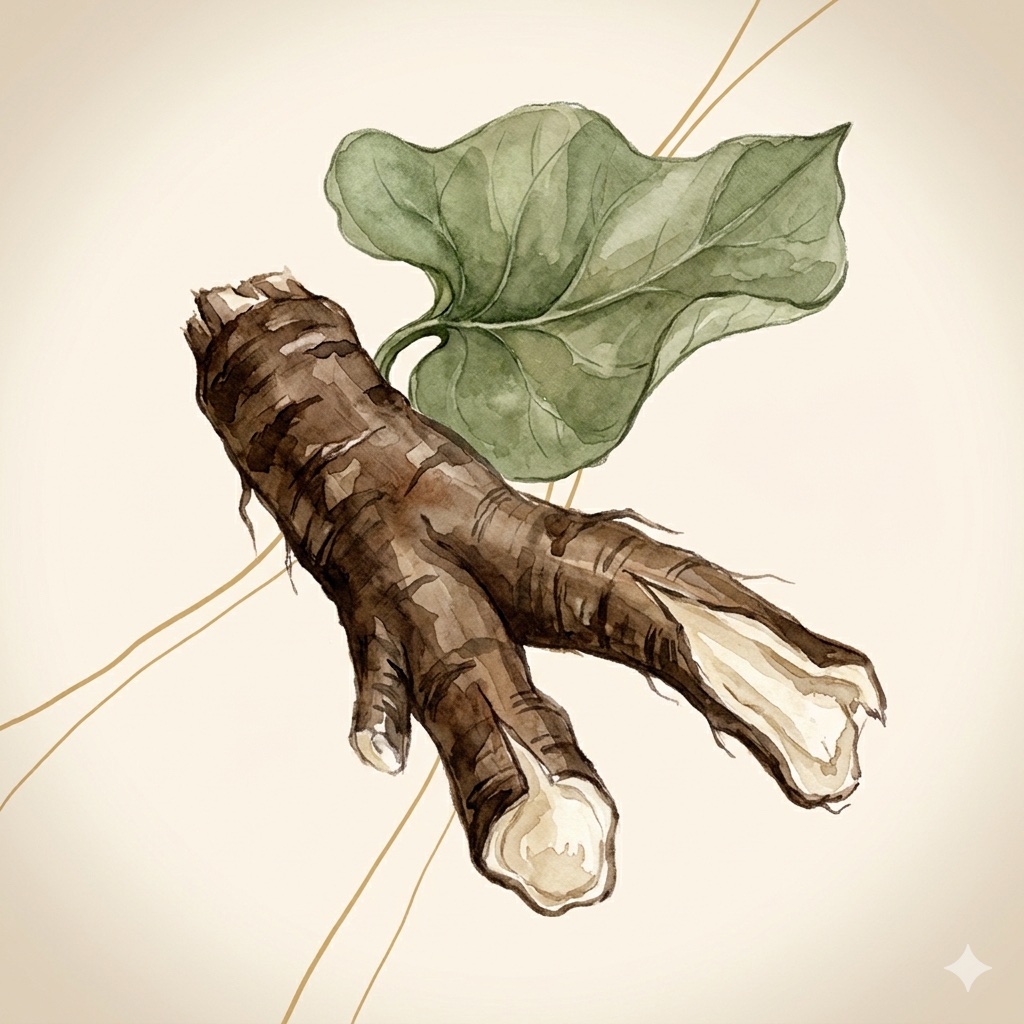
Burdock Root
Arctium lappa
A root vegetable used for centuries in traditional medicine across Asia and Europe.
Longevity & Cellular Energy
Compounds for healthy aging and mitochondrial function.
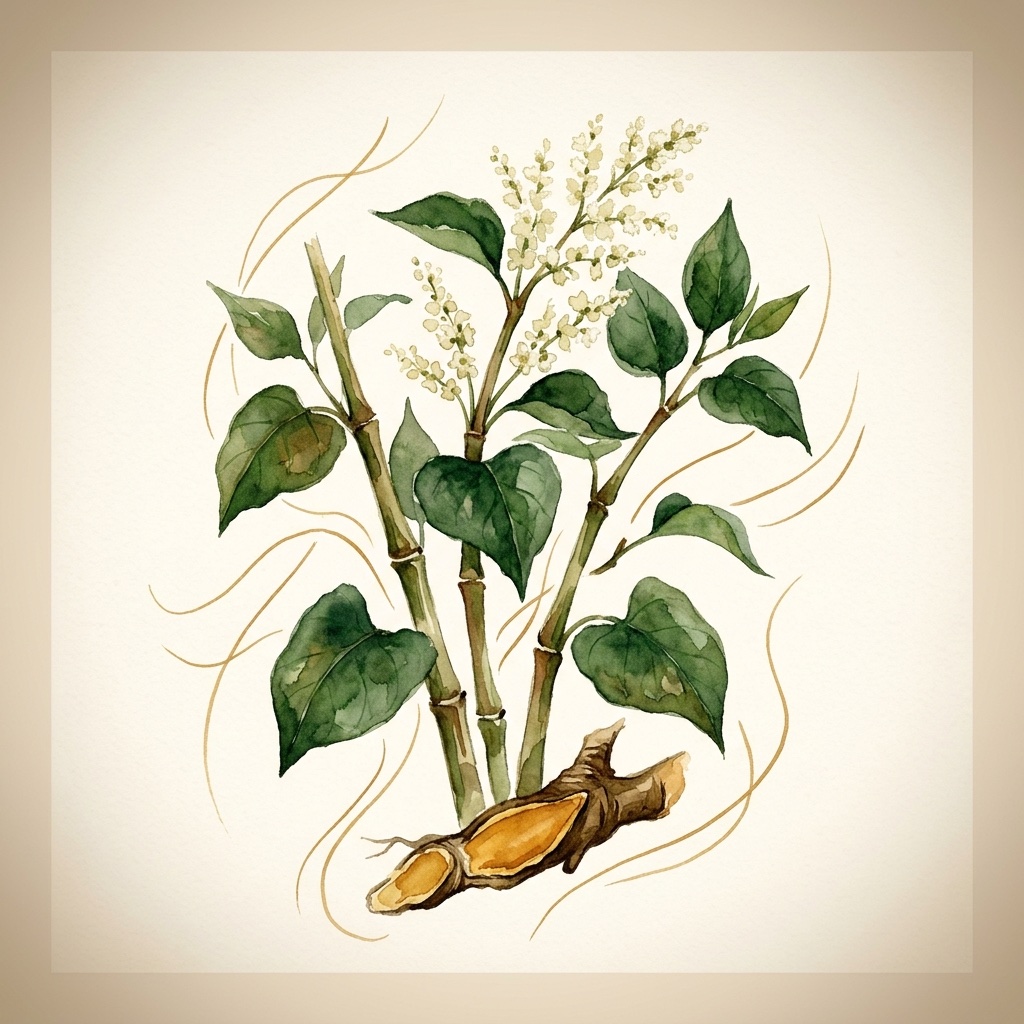
Japanese Knotweed
Polygonum cuspidatum
A fast-growing plant native to East Asia, used for centuries in Traditional Chinese and Japanese medicine.
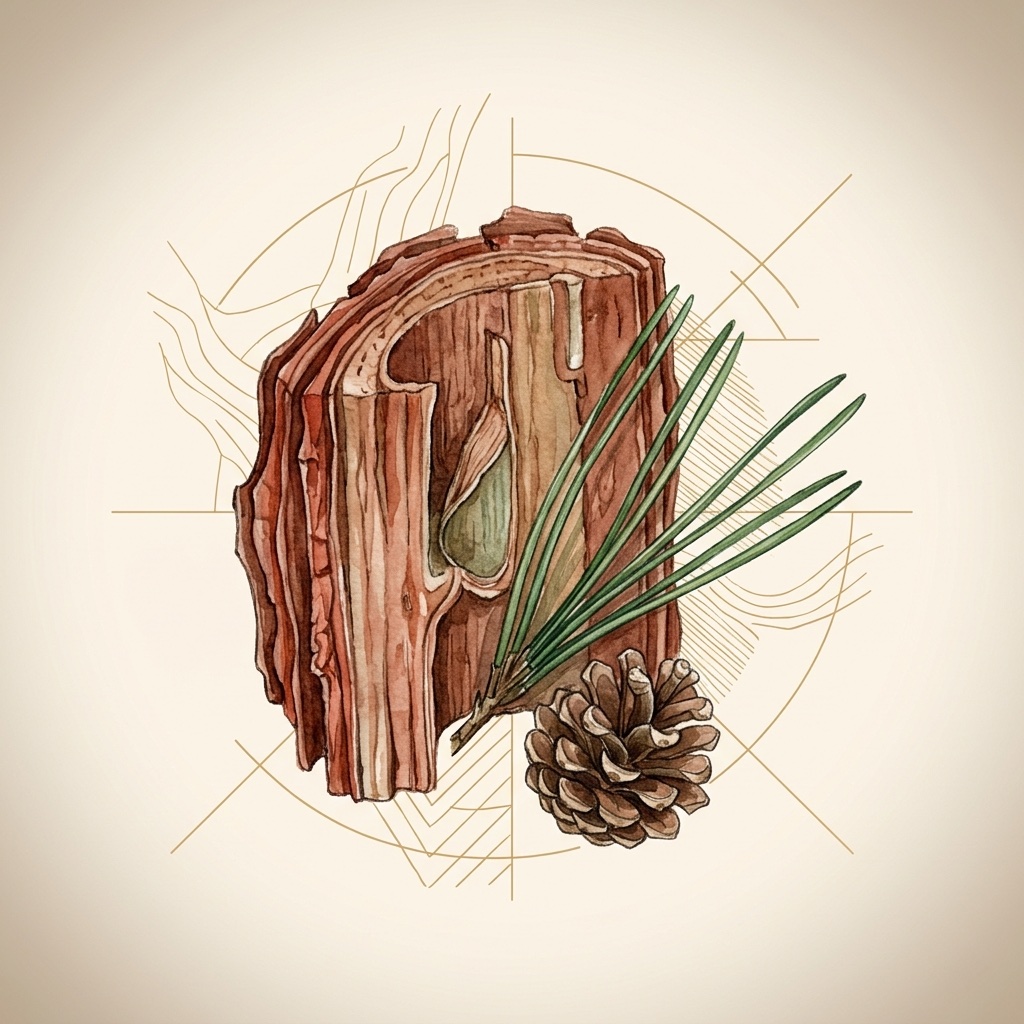
Pine Bark
Pinus sylvestris
Pine bark extract has been used for centuries in traditional medicine.
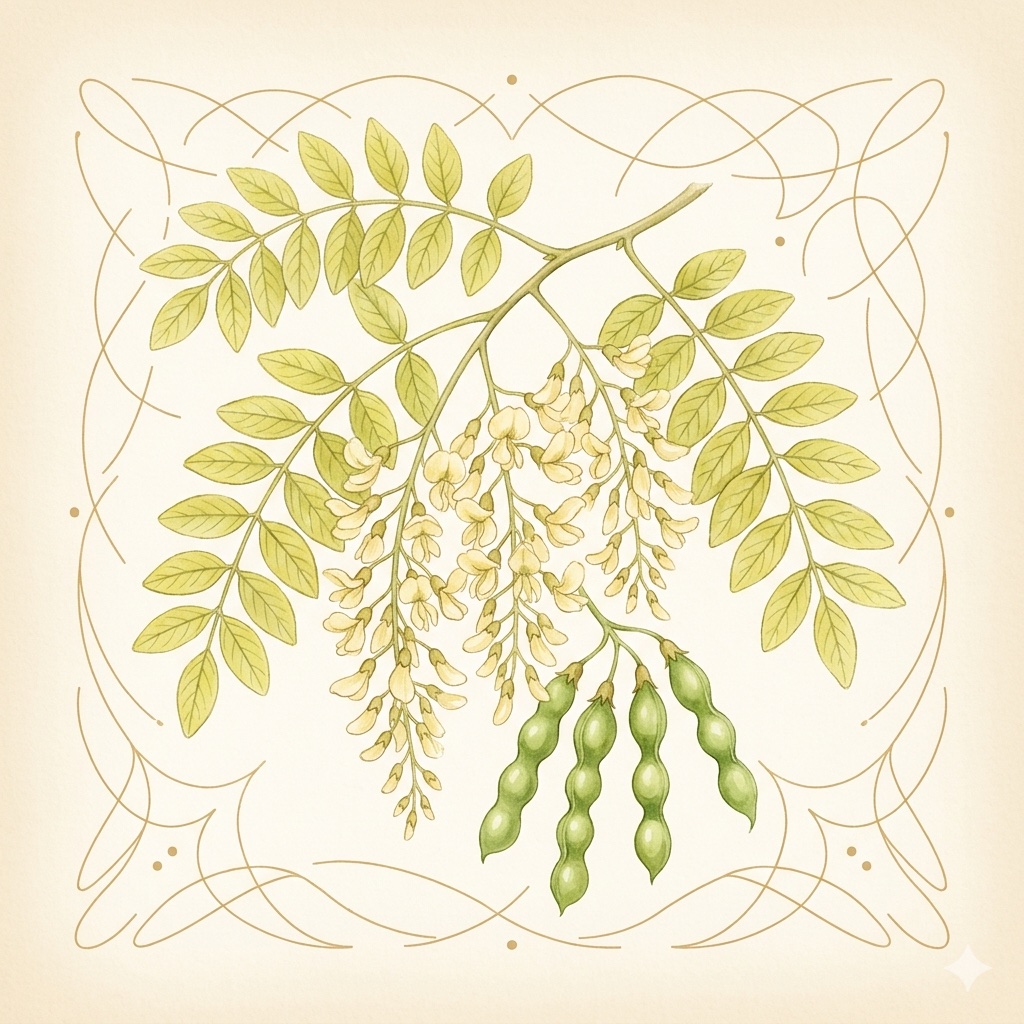
Japanese Pagoda Tree
Sophora japonica
A deciduous tree native to China and Japan, cultivated for centuries in East Asian medicine.
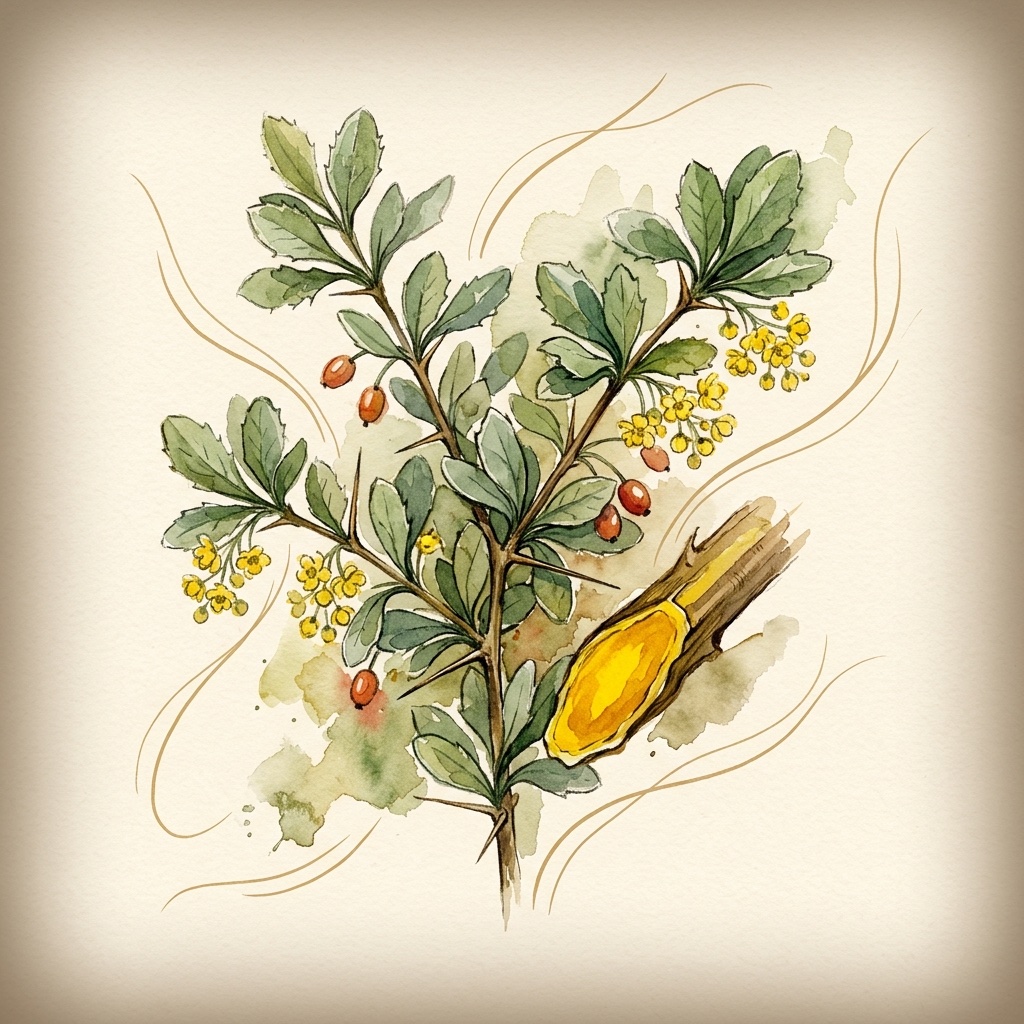
Indian Barberry
Berberis aristata
A thorny shrub native to the Himalayan foothills, used for over 2,500 years in Ayurvedic medicine.
Vitamins & Enhancers
Essential vitamins and absorption boosters.
Topicals & Botanicals
Skin-applied actives, oils, and formulary ingredients.
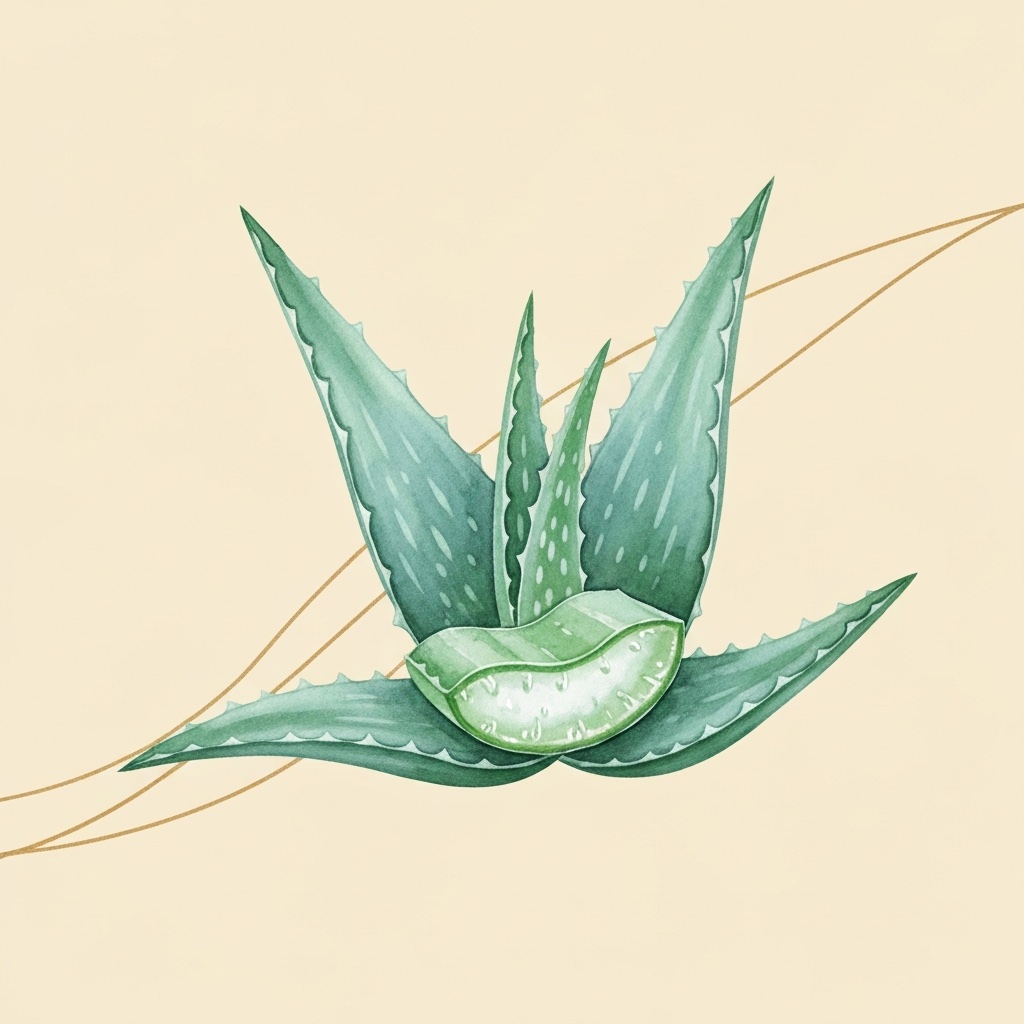
Aloe Vera
Aloe barbadensis miller
A succulent plant used for thousands of years for skin healing and hydration.
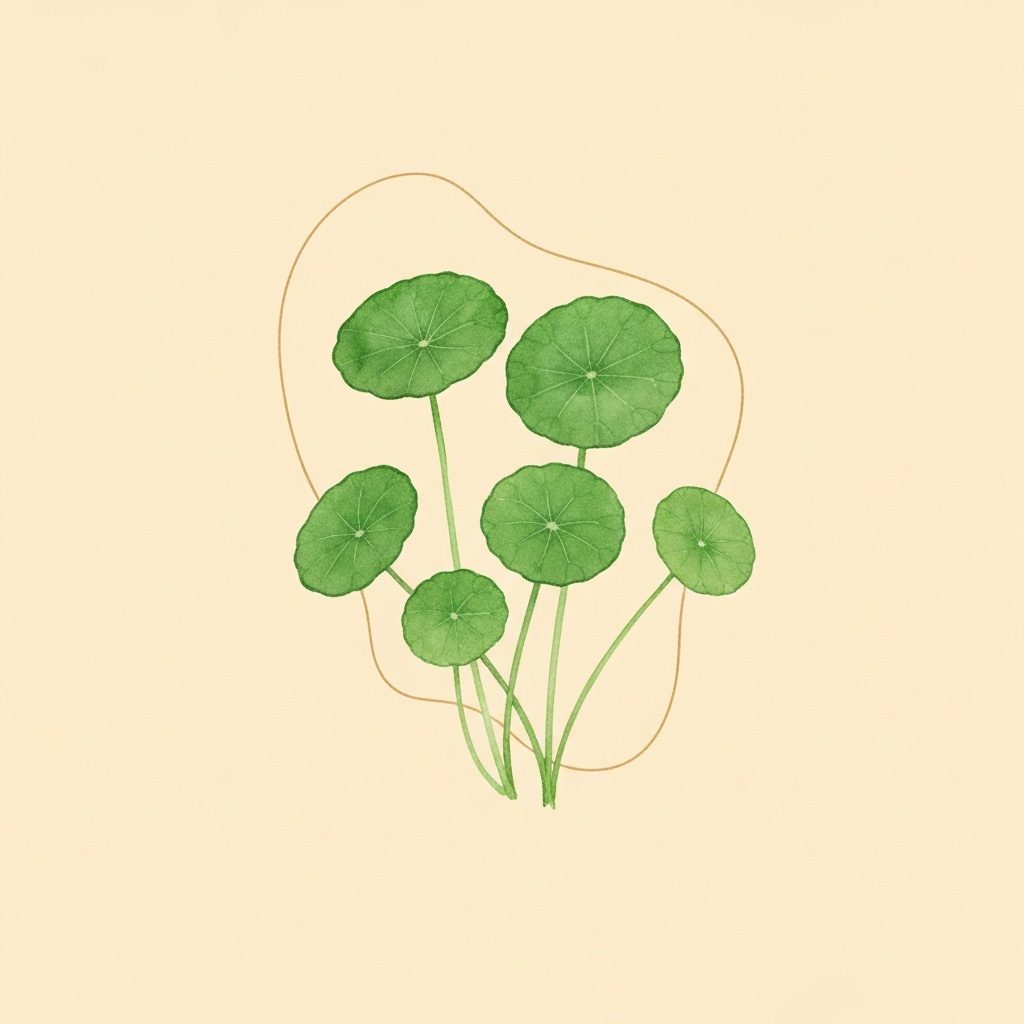
Centella Asiatica
Gotu Kola / Cica
An ancient herb used in Ayurvedic and traditional Chinese medicine.
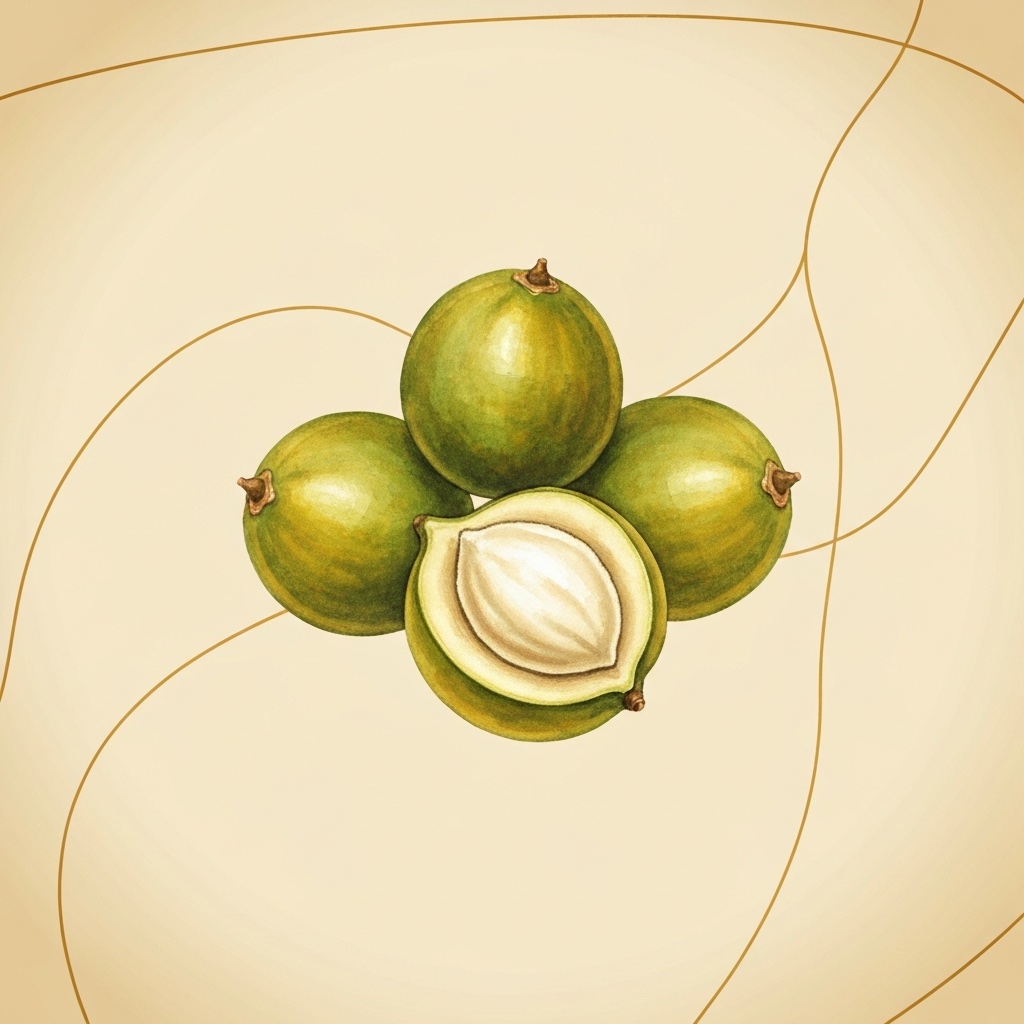
Shea Butter
Butyrospermum parkii
A rich, nourishing butter from the African shea tree.
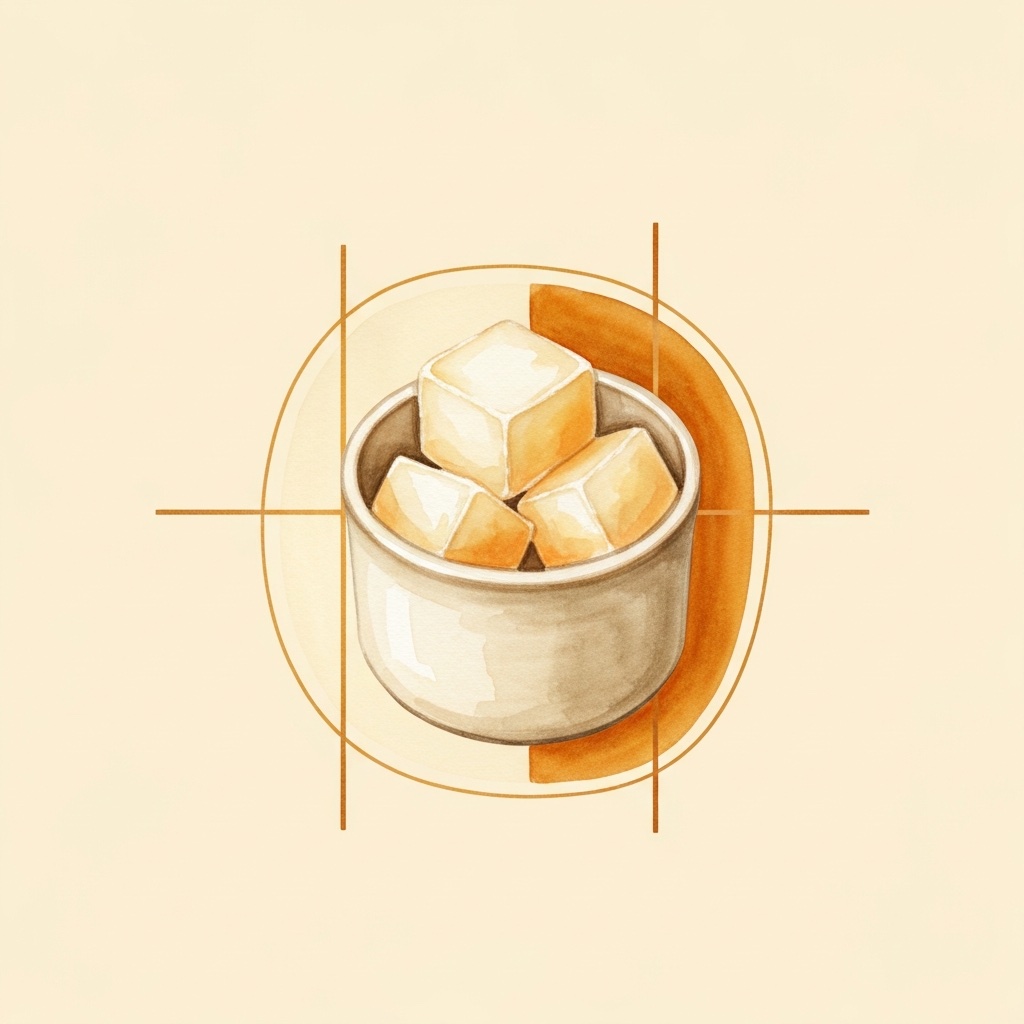
Grass-Fed Beef Tallow
Bos taurus (rendered adipose)
Rendered fat from grass-fed cattle, prized in traditional skincare for its rich concentration of fat-soluble vitamins and fatty acid profile remarkably similar to human skin sebum.
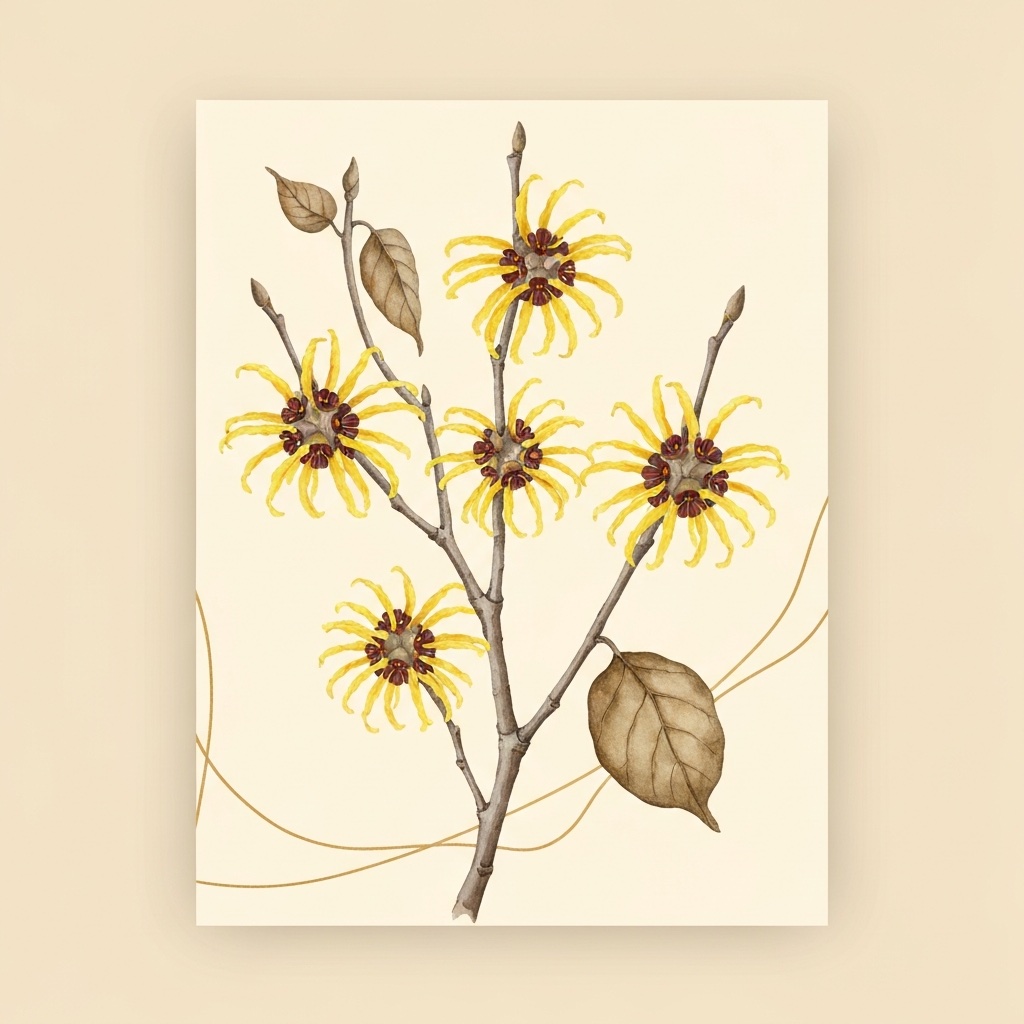
Witch Hazel
Hamamelis virginiana
A North American shrub used for centuries as a natural astringent.
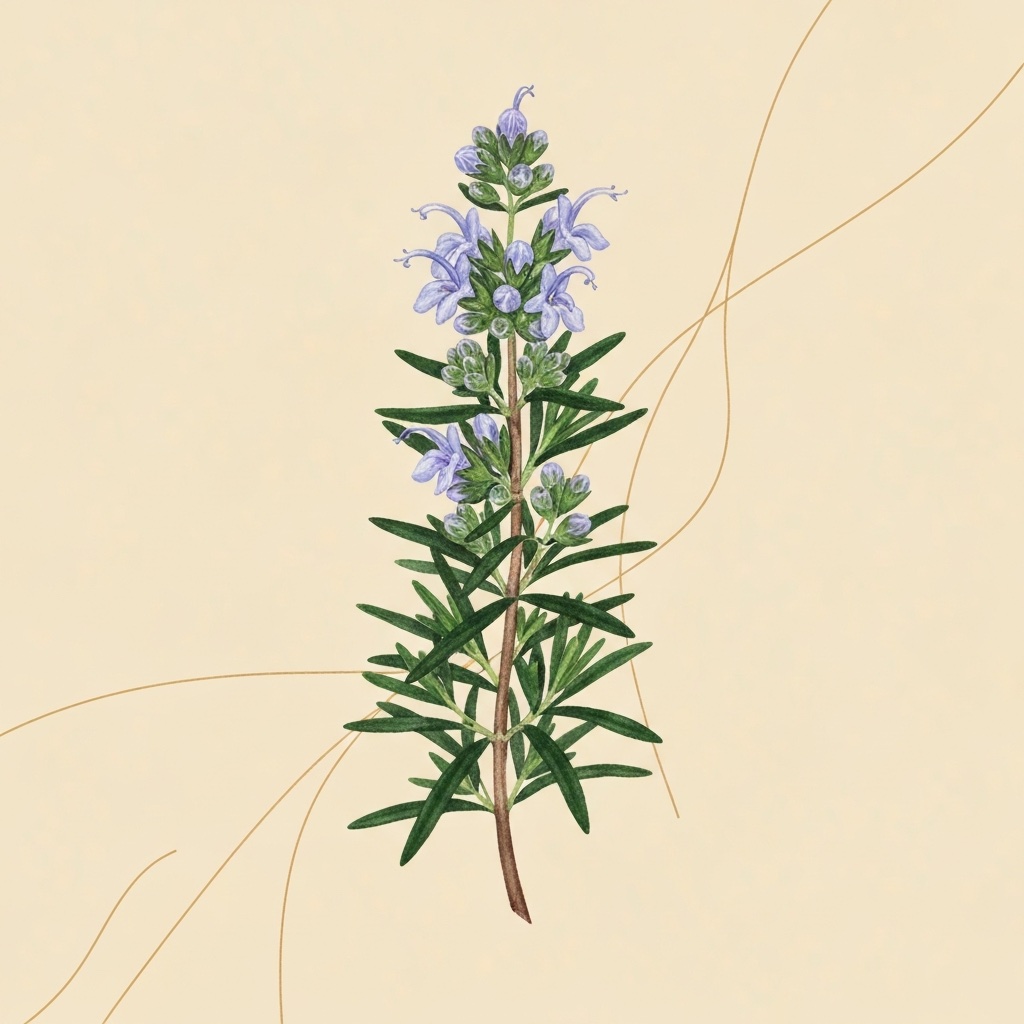
Rosemary Leaf Extract
Rosmarinus officinalis
A fragrant Mediterranean herb used for centuries in traditional medicine.
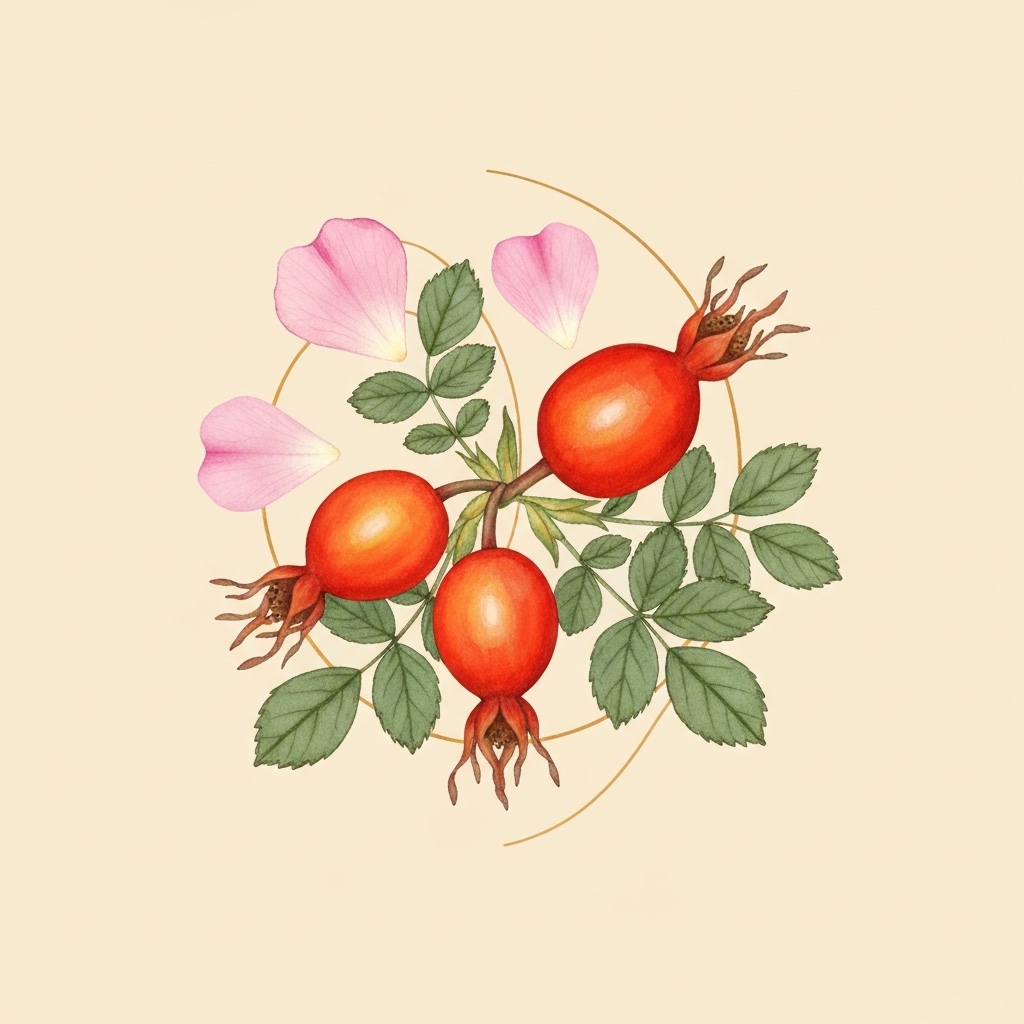
Rosehip Oil
Rosa canina
Cold-pressed from the seeds of wild rose bushes, rosehip oil is one of the richest plant sources of pro-vitamin A (retinoids) and essential fatty acids.
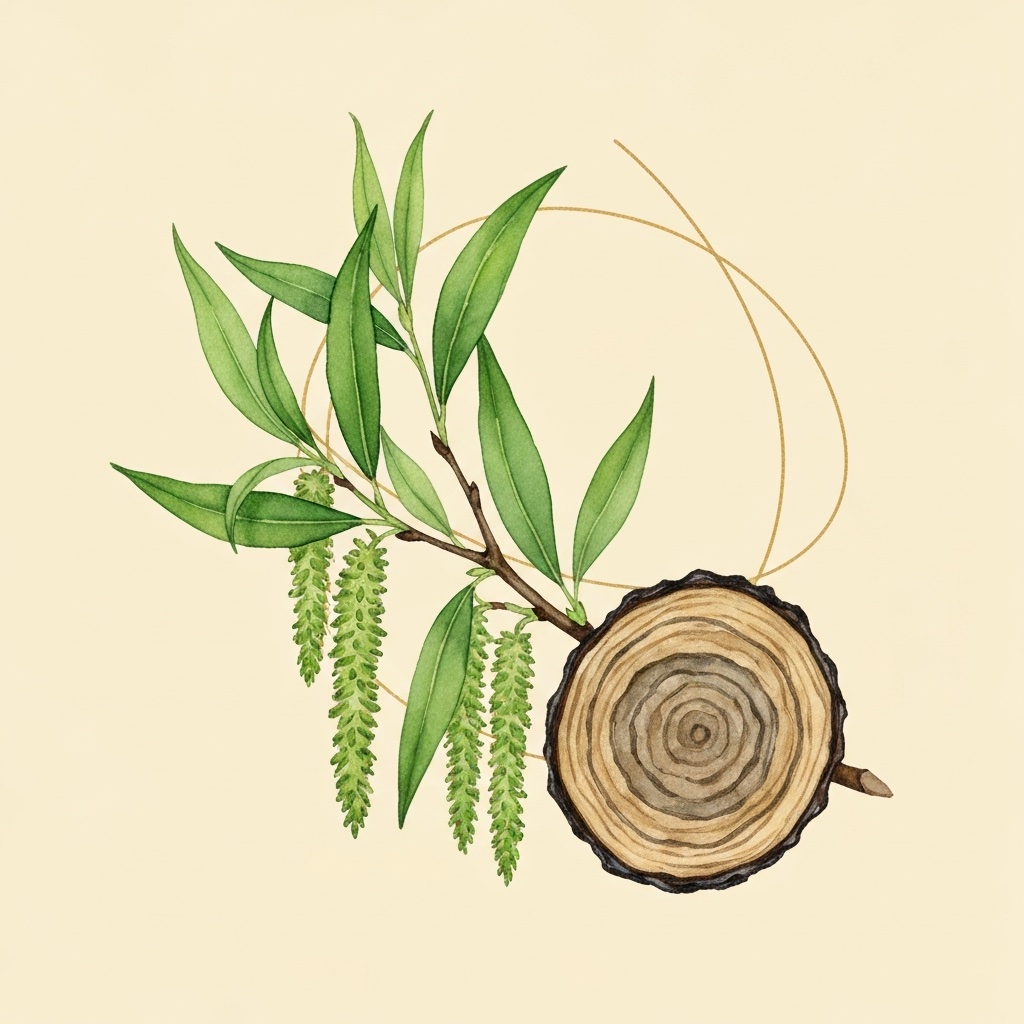
Black Willow Bark
Salix nigra
A natural source of salicin, which converts to salicylic acid on the skin.
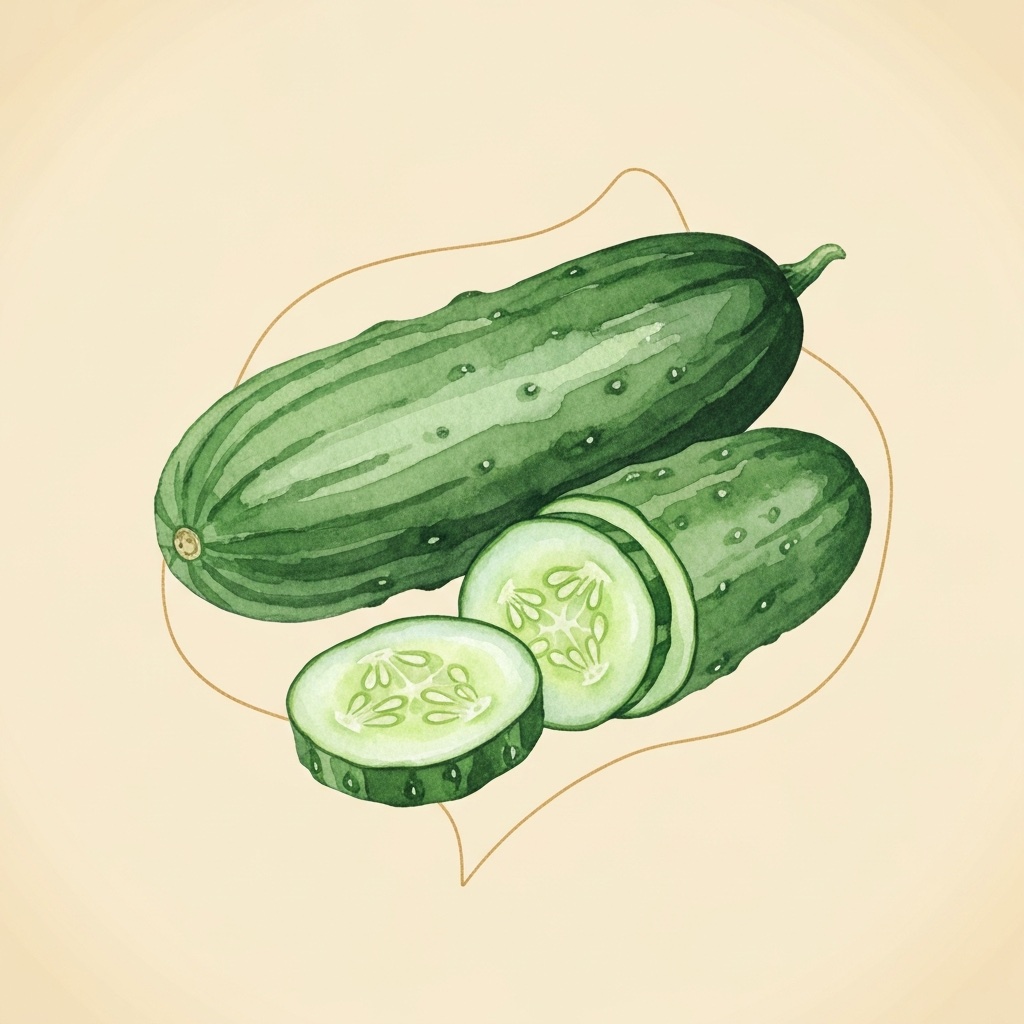
Cucumber Extract
Cucumis sativus
A cooling, soothing extract rich in vitamins and antioxidants.
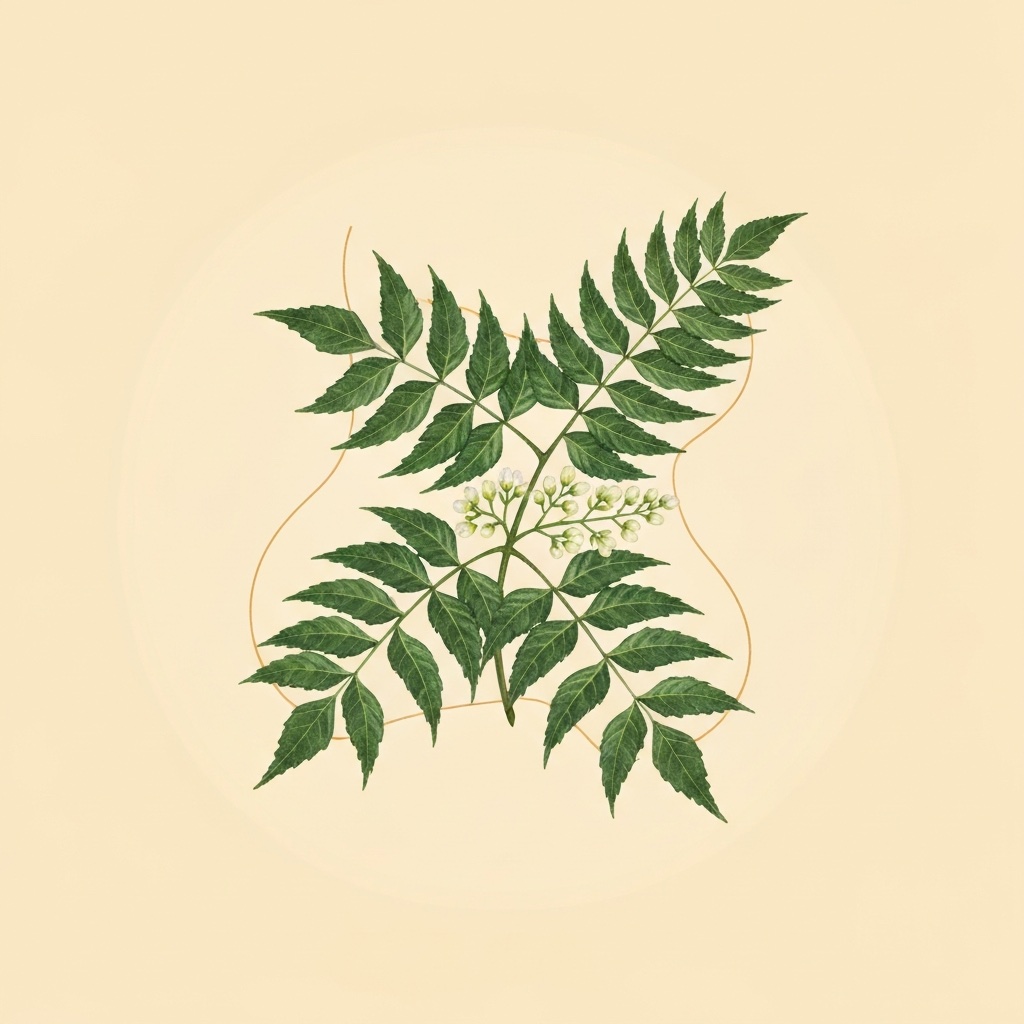
Neem
Melia Azadirachta
Neem leaf extract has been used in Ayurvedic medicine for centuries.
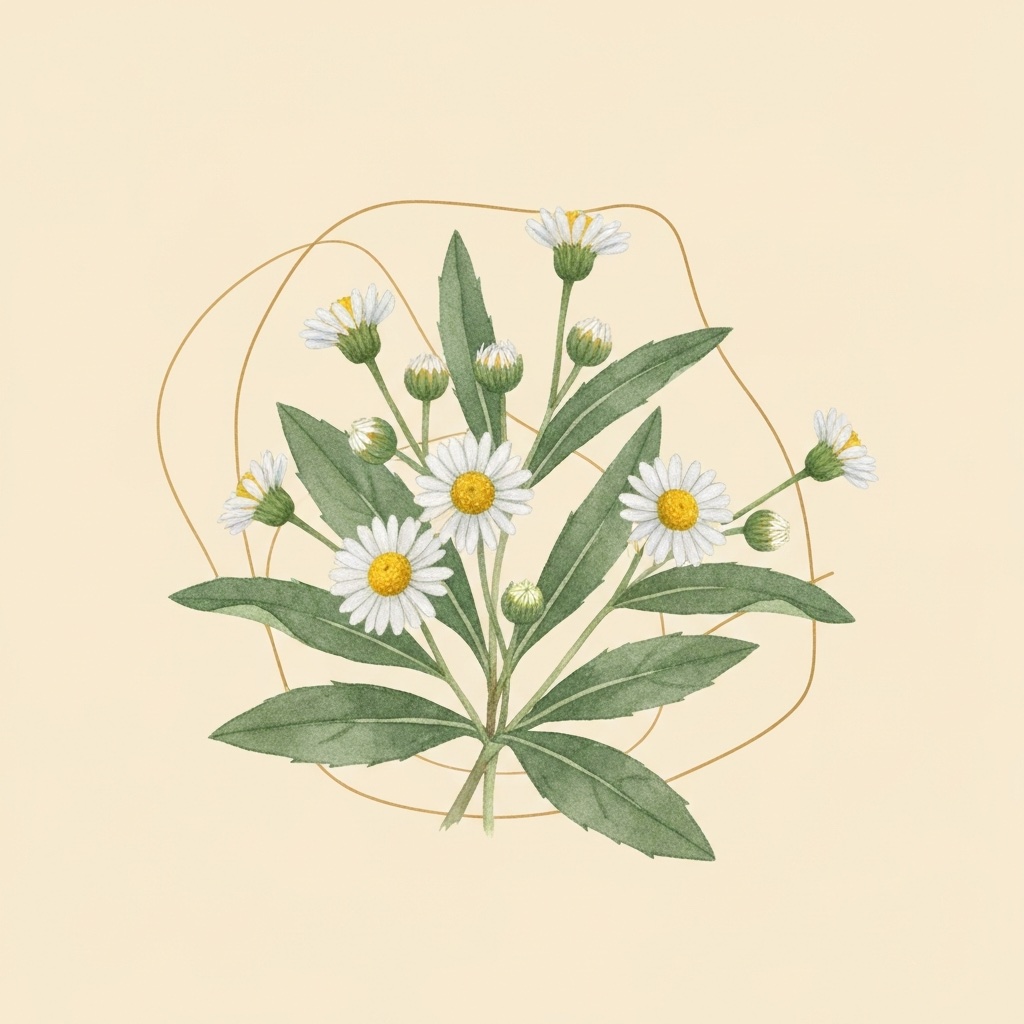
Eclipta Prostrata
Eclipta Prostrata
Eclipta prostrata, also known as false daisy, is a traditional botanical used in Ayurvedic skincare.
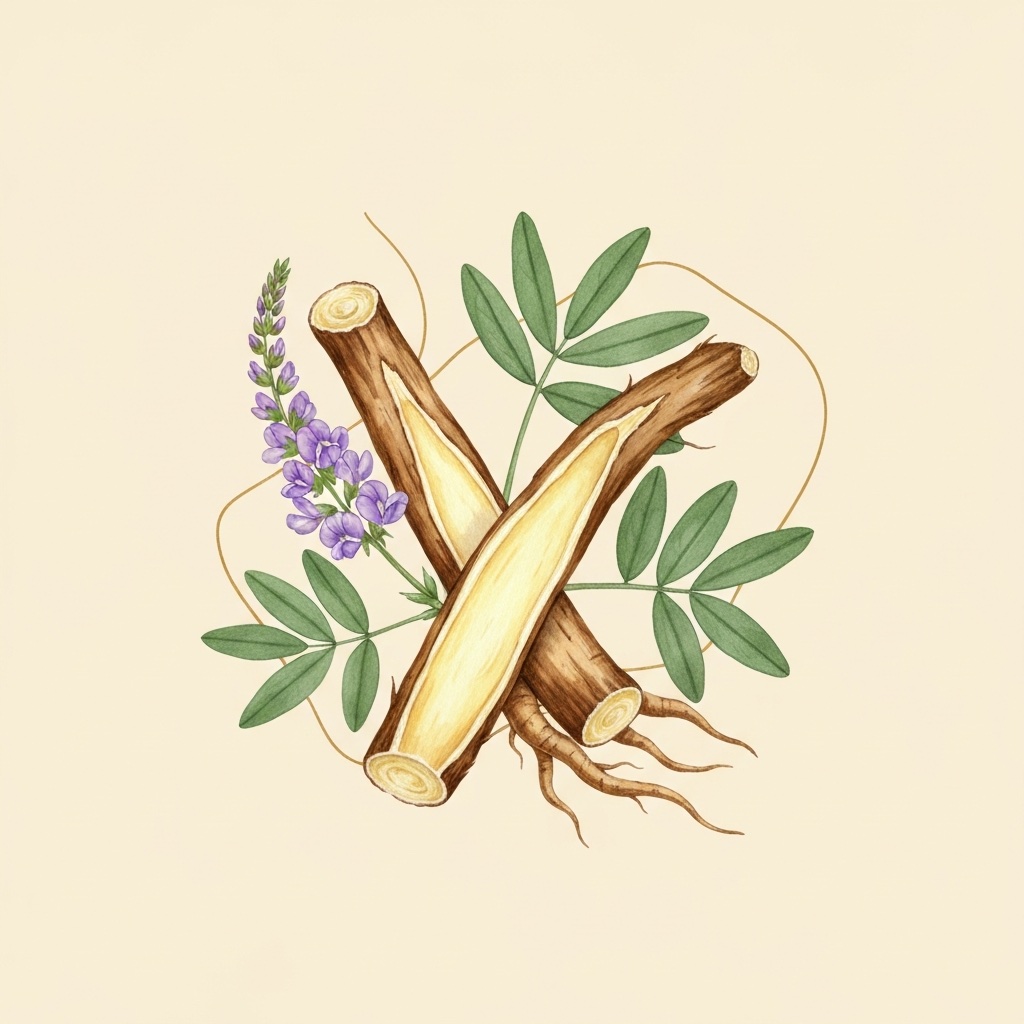
Licorice Root Extract
Glycyrrhiza glabra
An extract from the root of the licorice plant, used for centuries in both Ayurvedic and Traditional Chinese Medicine.
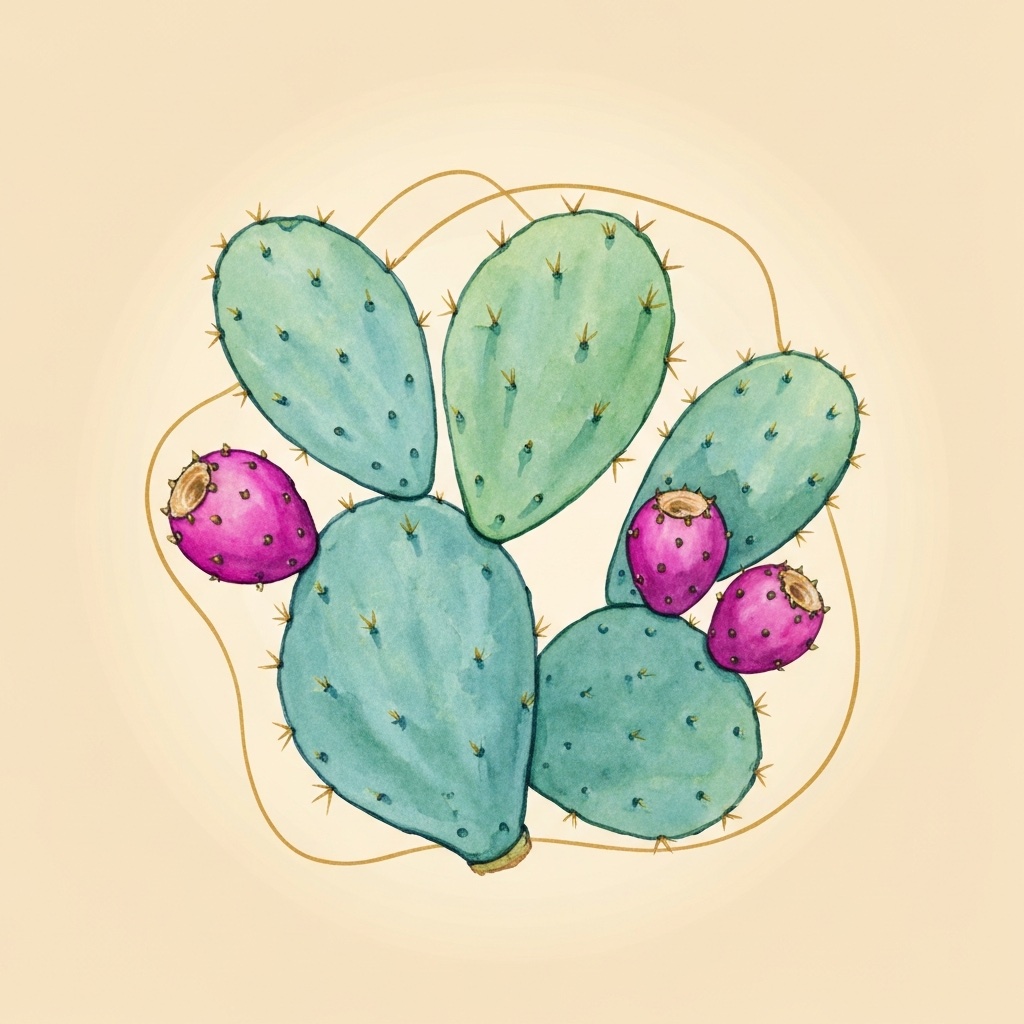
Prickly Pear Extract
Opuntia ficus-indica
An extract from the fruit and pads of the prickly pear cactus, native to the Americas and now cultivated worldwide.
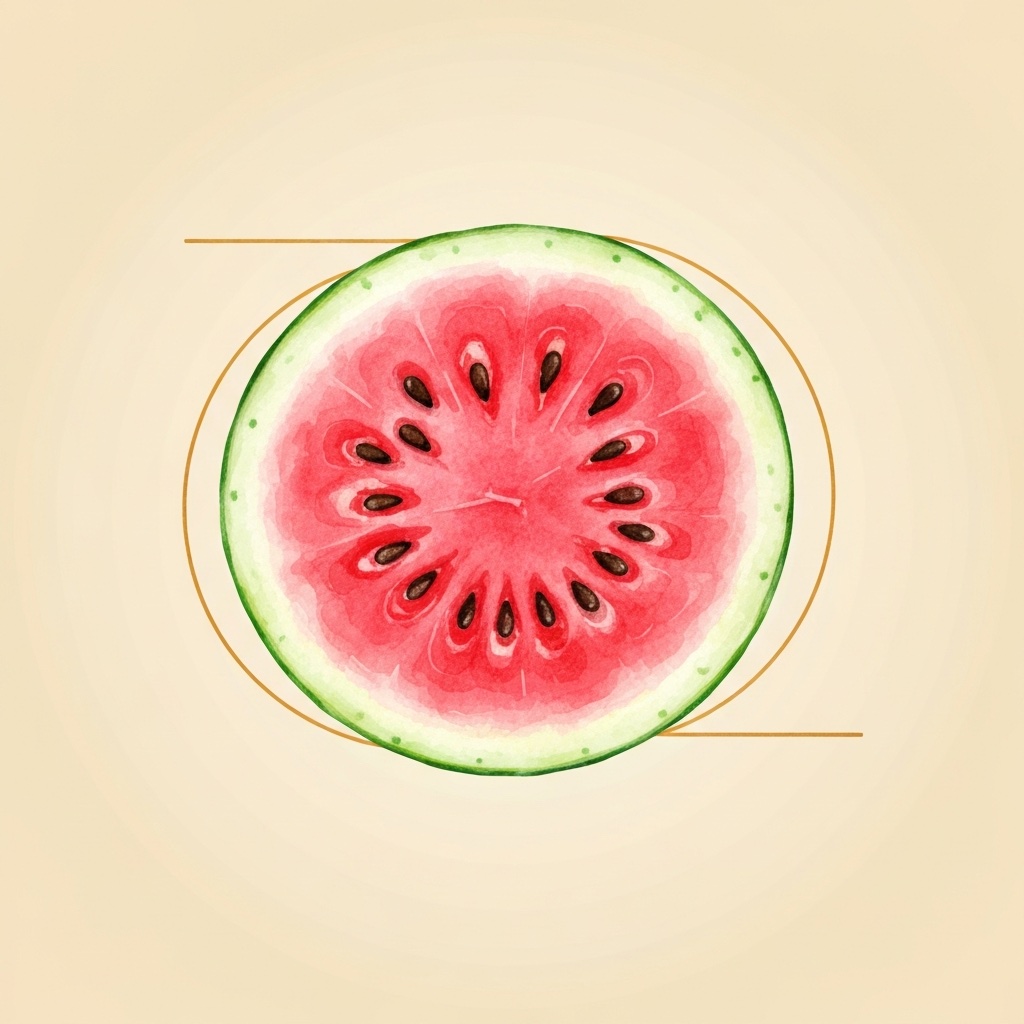
Watermelon Fruit Extract
Citrullus lanatus
An extract from the fruit of the watermelon, naturally rich in the amino acid citrulline, lycopene, and vitamins A and C.
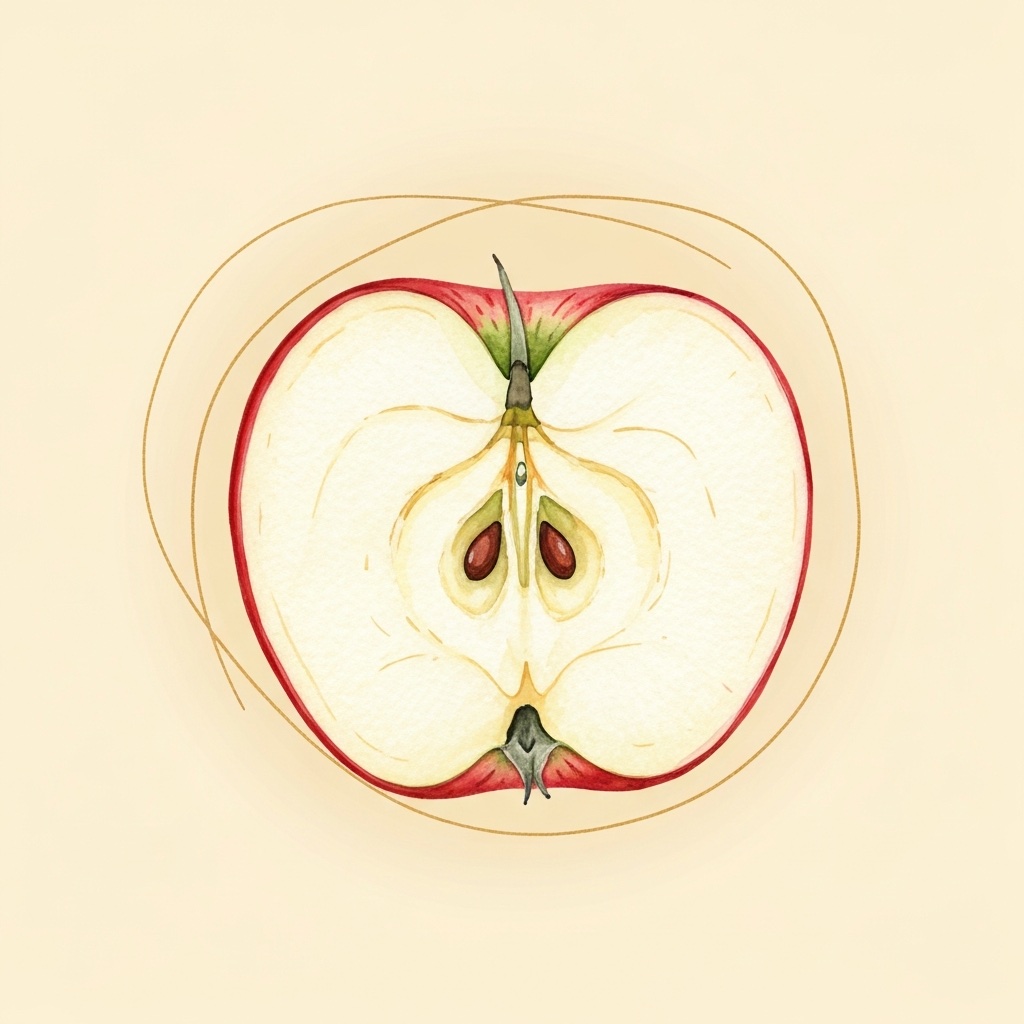
Apple Fruit Extract
Pyrus malus (Malus domestica)
A botanical extract derived from the common apple fruit.
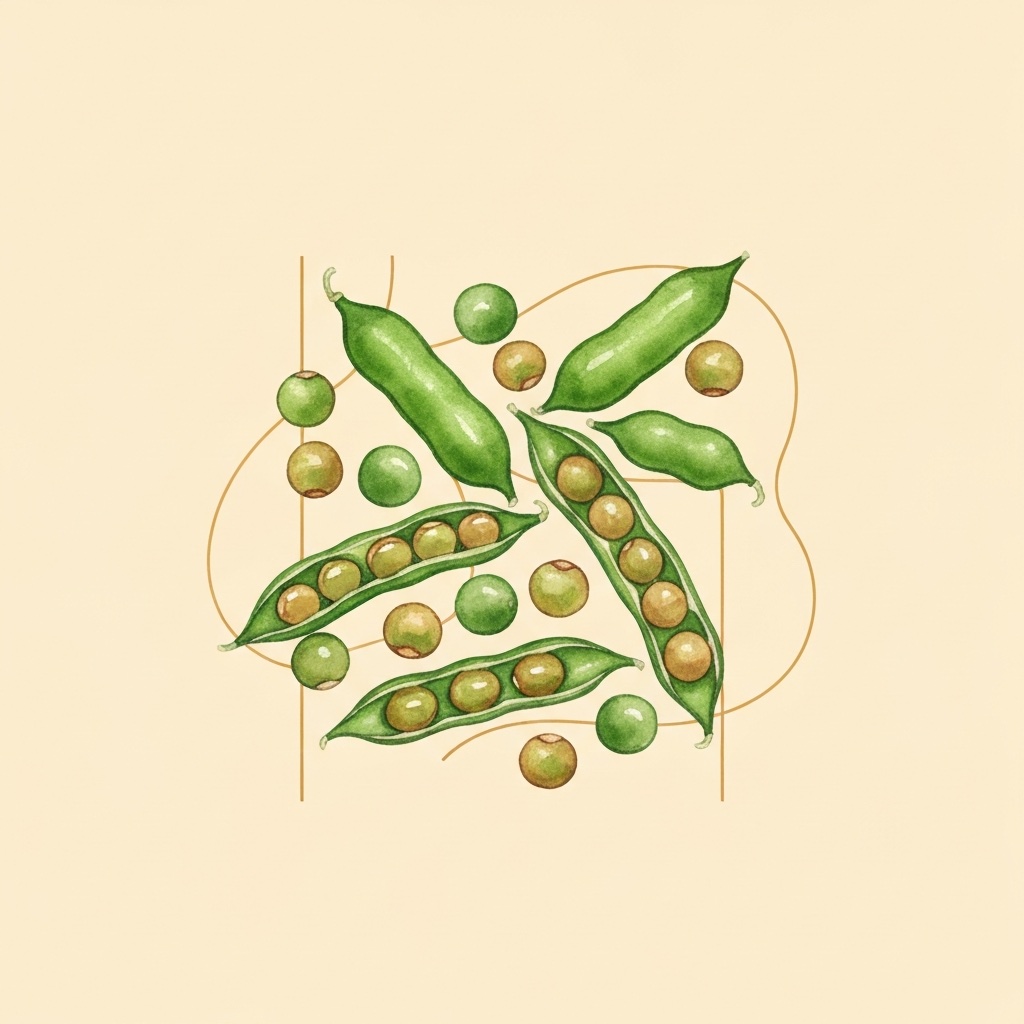
Lentil Fruit Extract
Lens esculenta
An extract from the common lentil seed, increasingly featured in K-beauty and botanical skincare for its gentle, skin-refining properties.

Cranberry Extract
Vaccinium Macrocarpon
Cranberry fruit extract is rich in antioxidants, particularly proanthocyanidins and vitamin C.
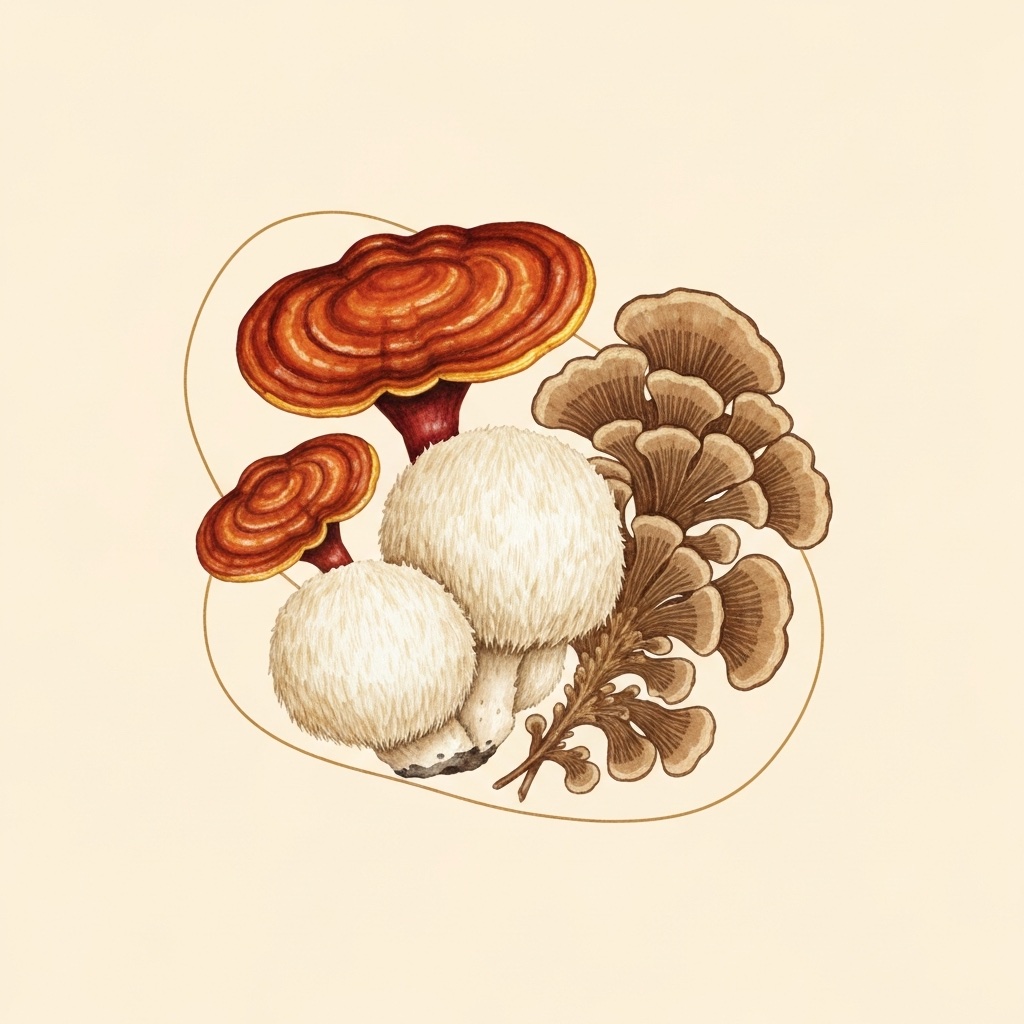
Mushroom Extract
Tremella fuciformis / Ganoderma lucidum / Lentinula edodes
A broad-spectrum botanical extract typically blending polysaccharide-rich mushroom species such as tremella (snow mushroom), reishi, and shiitake.
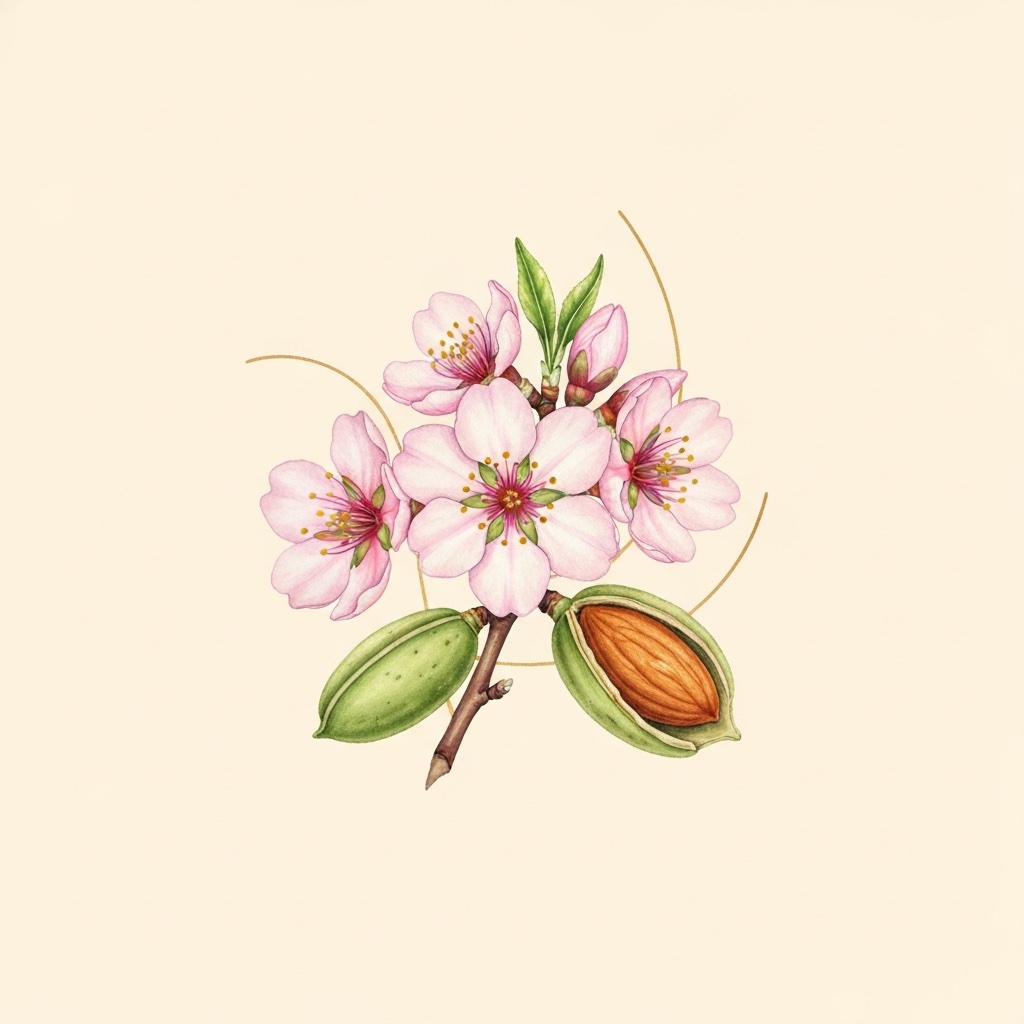
Sweet Almond Oil
Prunus amygdalus dulcis
A lightweight, nutrient-rich oil high in vitamin E and fatty acids.
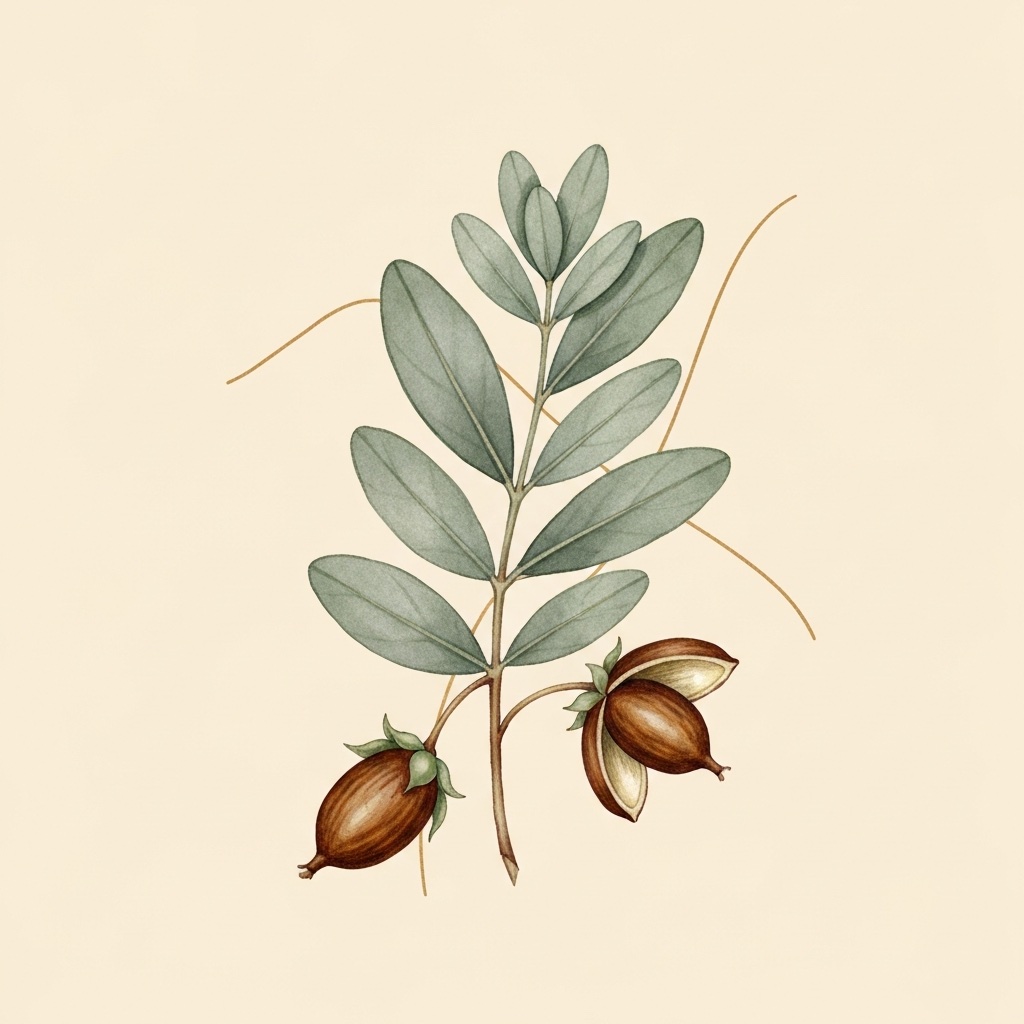
Jojoba Oil
Simmondsia chinensis
A liquid wax ester from the jojoba shrub that closely mimics the skin's natural sebum.
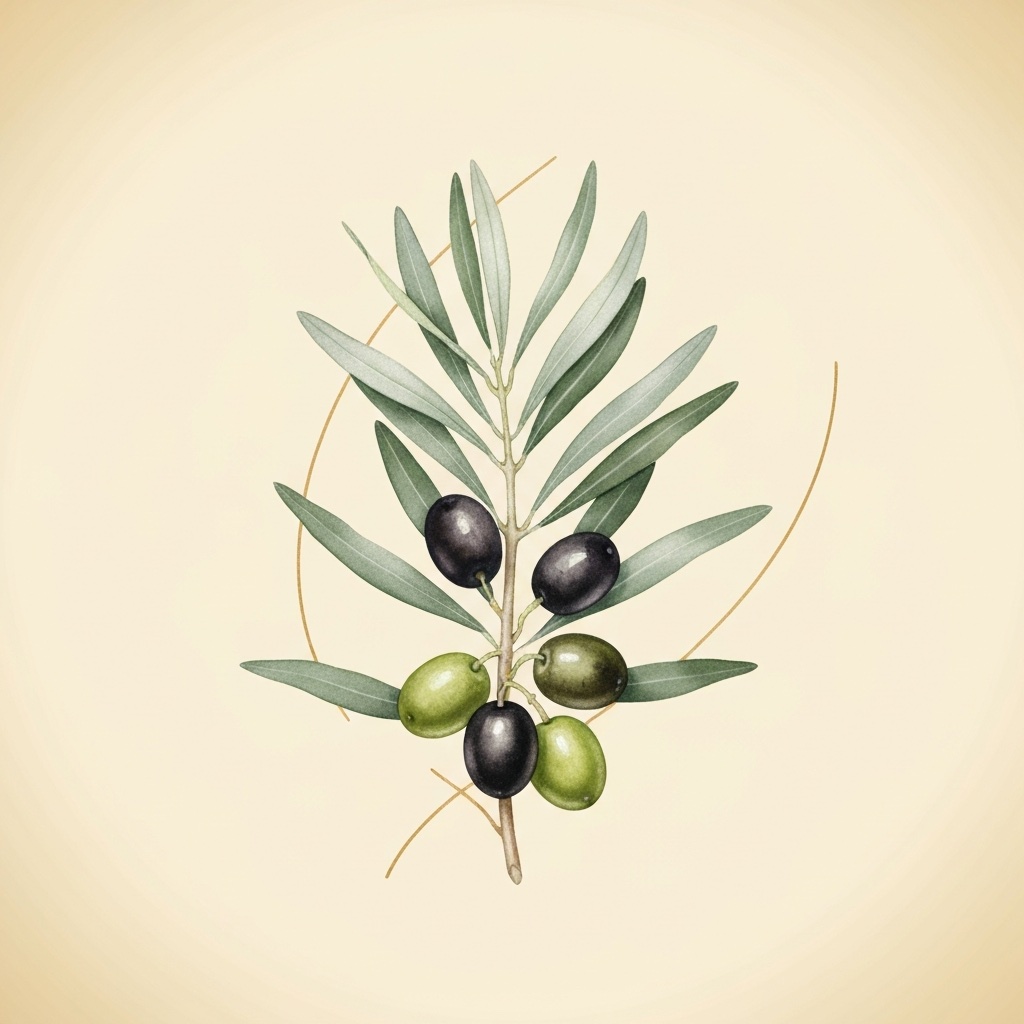
Olive Oil
Olea europaea
Cold-pressed from olives, rich in polyphenols and squalene.
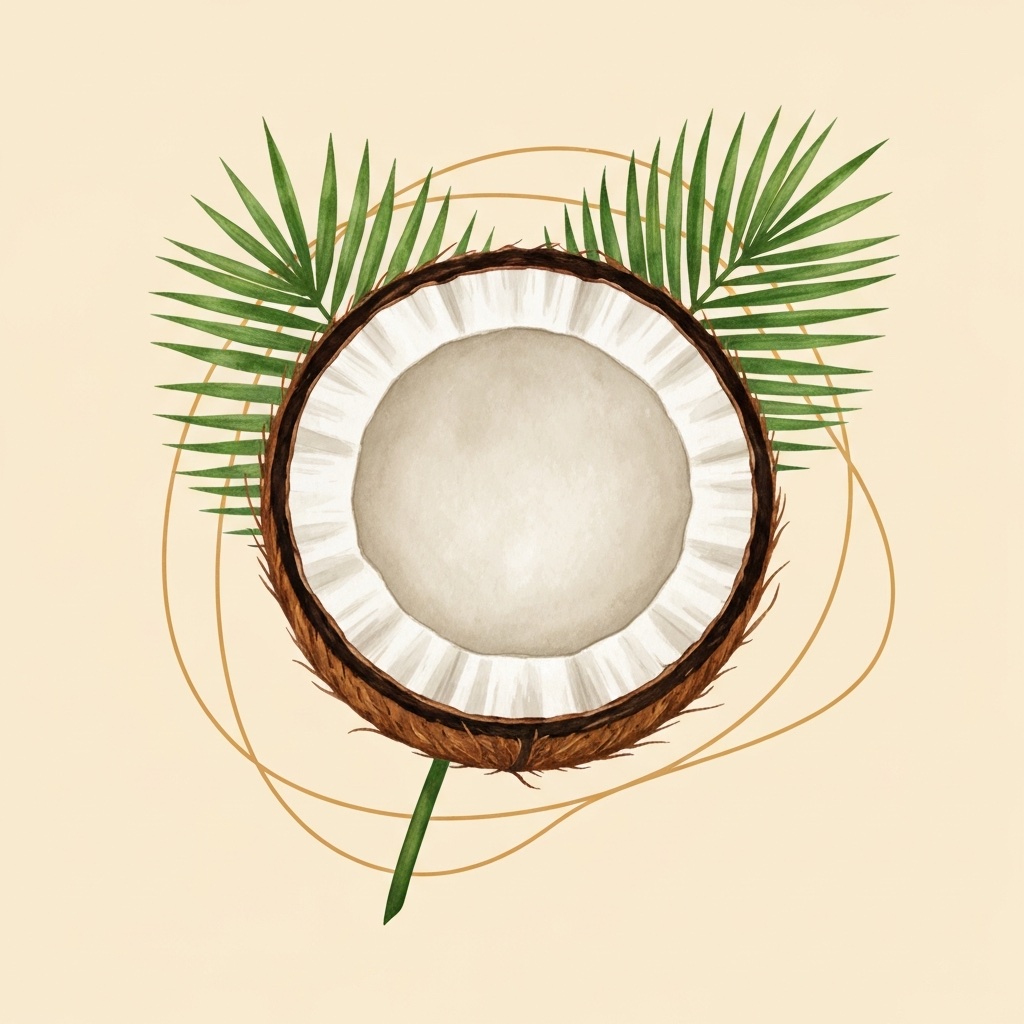
Coconut Oil
Cocos nucifera
A natural oil pressed from the meat of the coconut, rich in medium-chain triglycerides (MCTs) — particularly lauric acid, which comprises roughly 50% of its fatty acid profile.

Palm Oil
Elaeis guineensis
An oil derived from the fruit of the African oil palm.
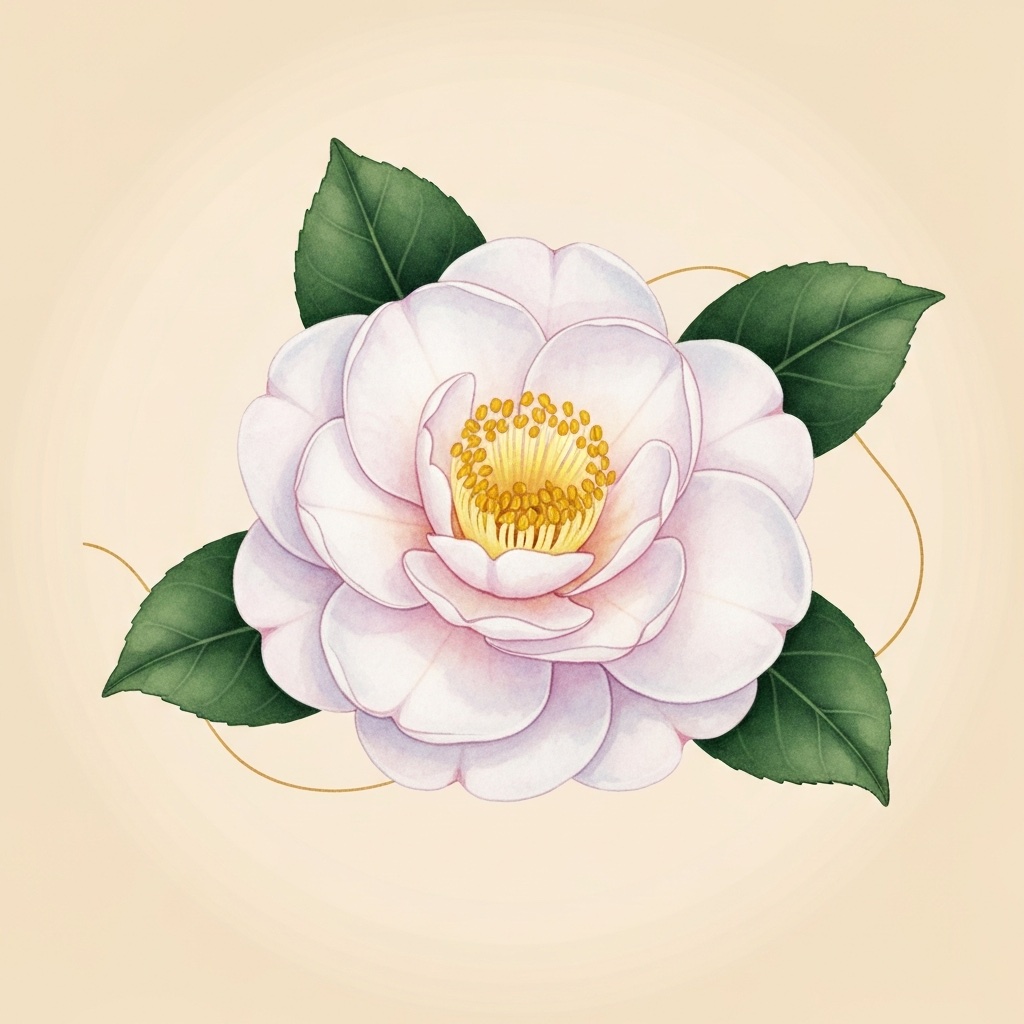
Camellia Oil
Camellia oleifera
A lightweight, fast-absorbing oil prized in East Asian beauty for centuries.
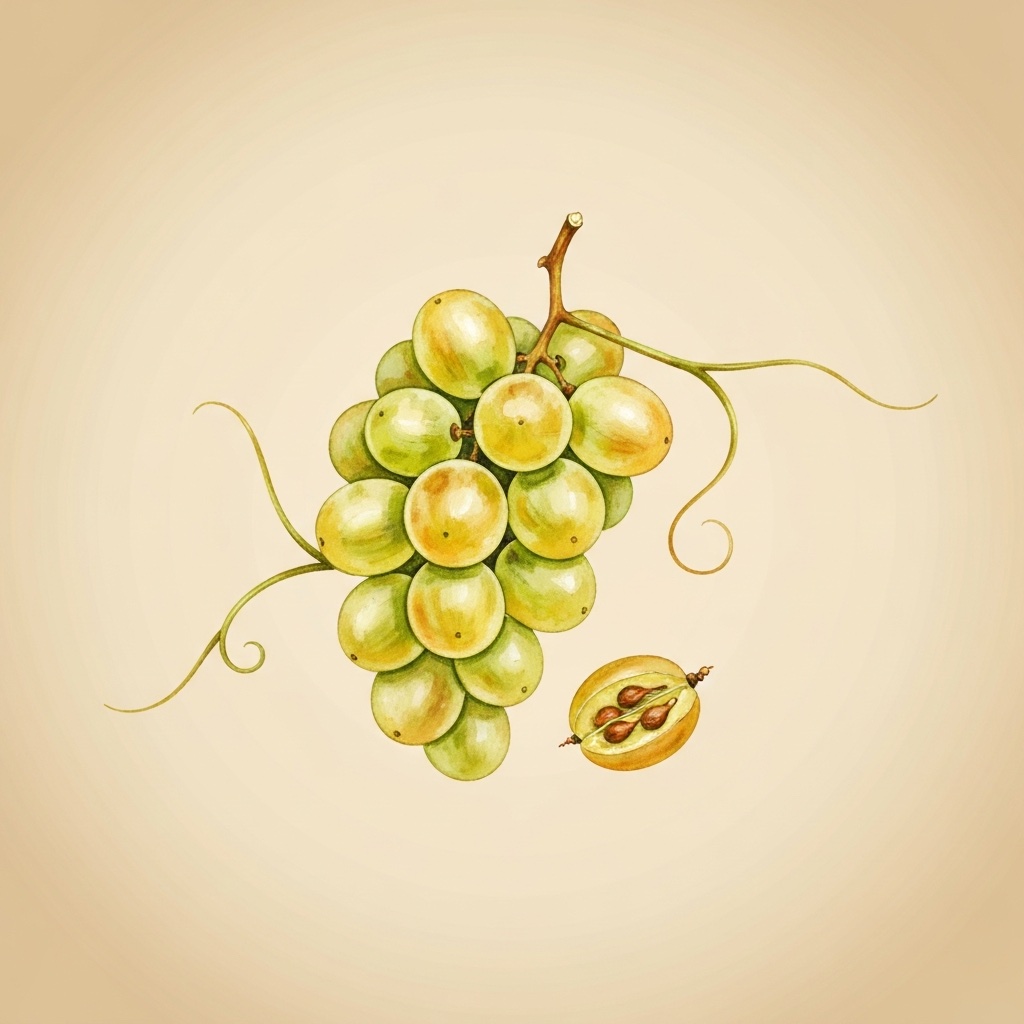
Grapeseed Oil
Vitis vinifera
A light, non-comedogenic oil extracted from grape seeds, rich in proanthocyanidins (OPCs) — among the most powerful plant-derived antioxidants.
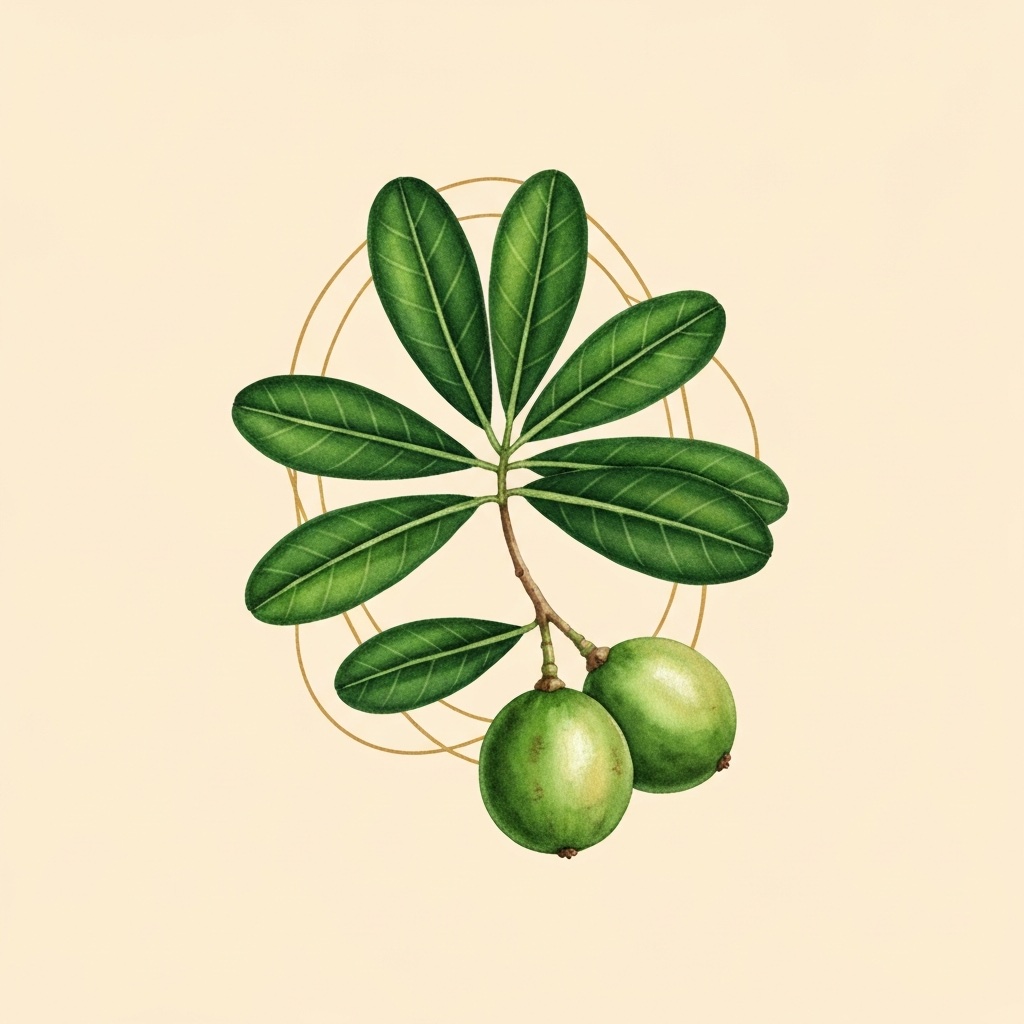
Tamanu Oil
Calophyllum inophyllum
A traditional Polynesian remedy, Tamanu Oil is cold-pressed from the nut of the Calophyllum inophyllum tree.

Meadowfoam Seed Oil
Limnanthes alba
A highly stable oil with exceptional moisturizing properties.
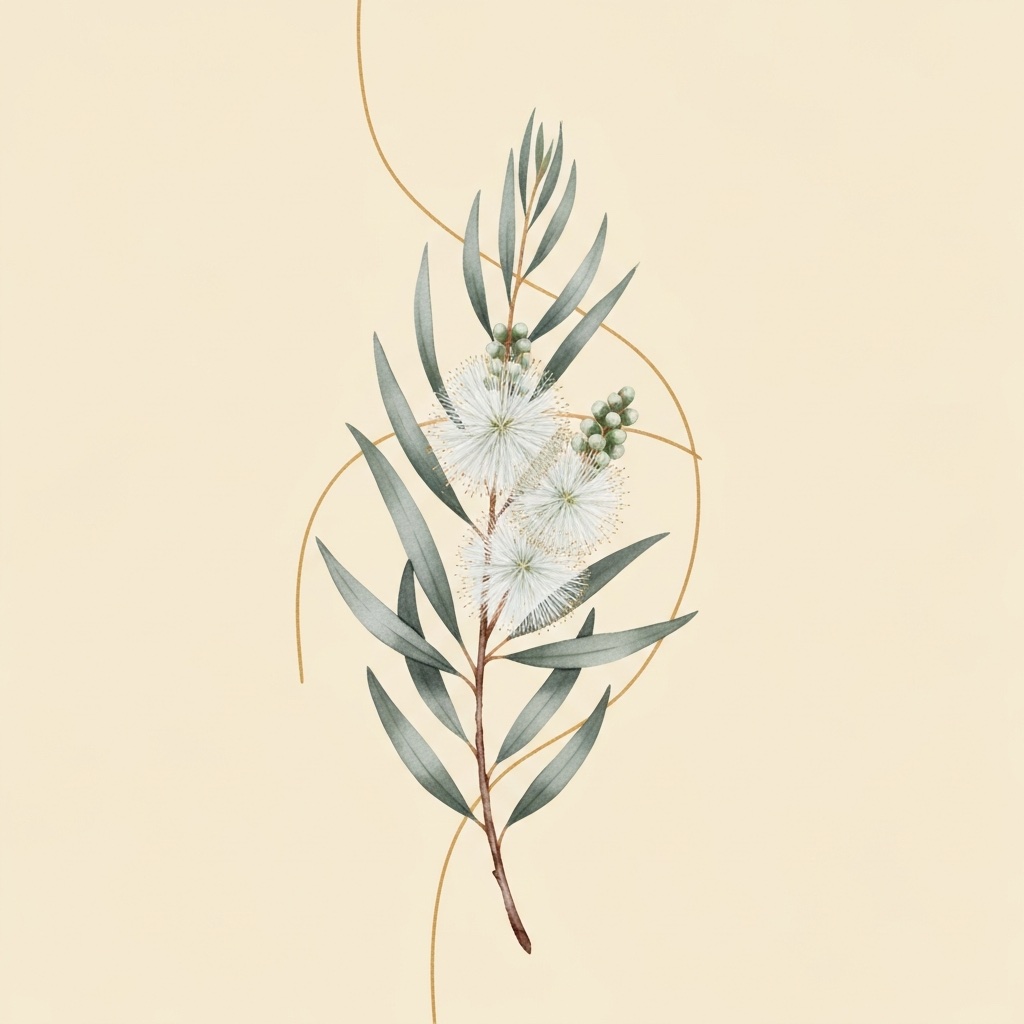
Tea Tree Oil
Melaleuca alternifolia
An essential oil from the Australian tea tree, known for its powerful antimicrobial and anti-inflammatory properties.
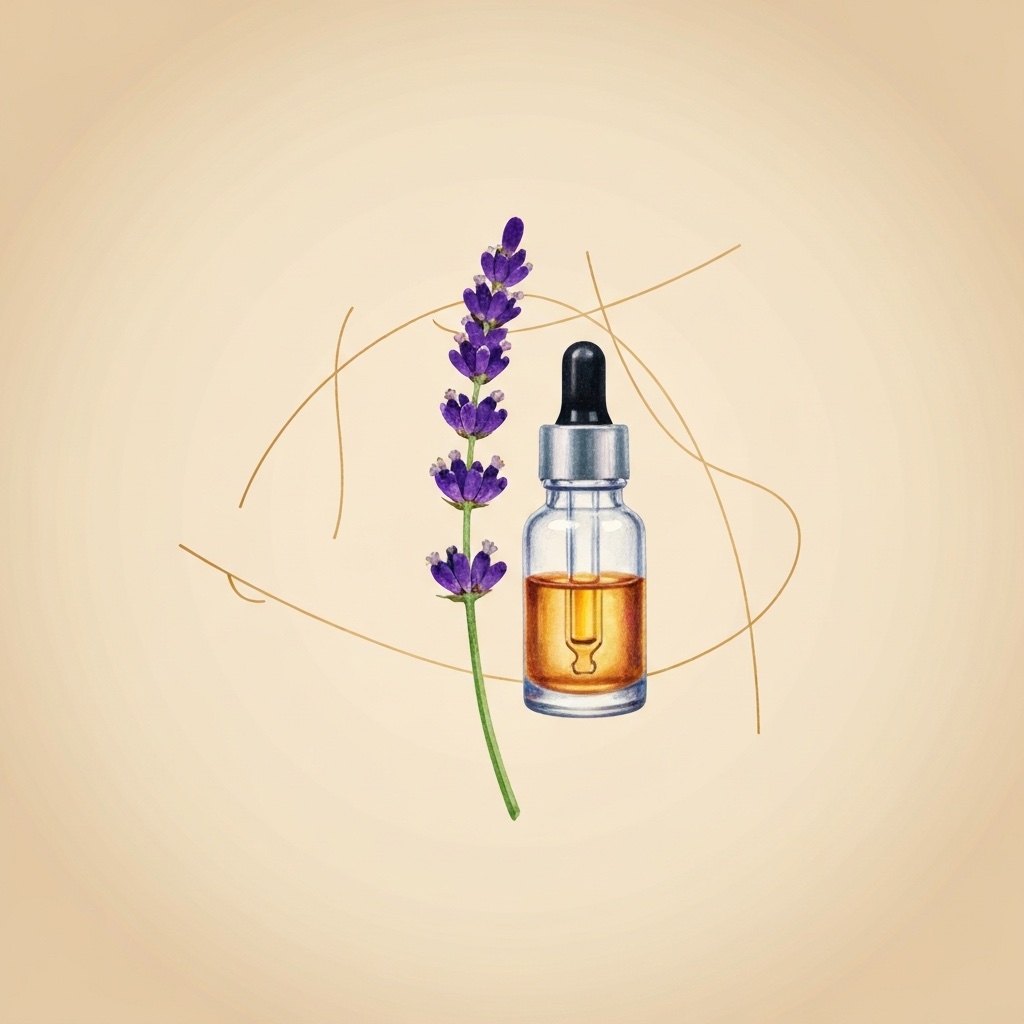
Lavender Essential Oil
Lavandula angustifolia
Steam-distilled from organic lavender flowers, this essential oil is renowned for its calming, soothing aroma.
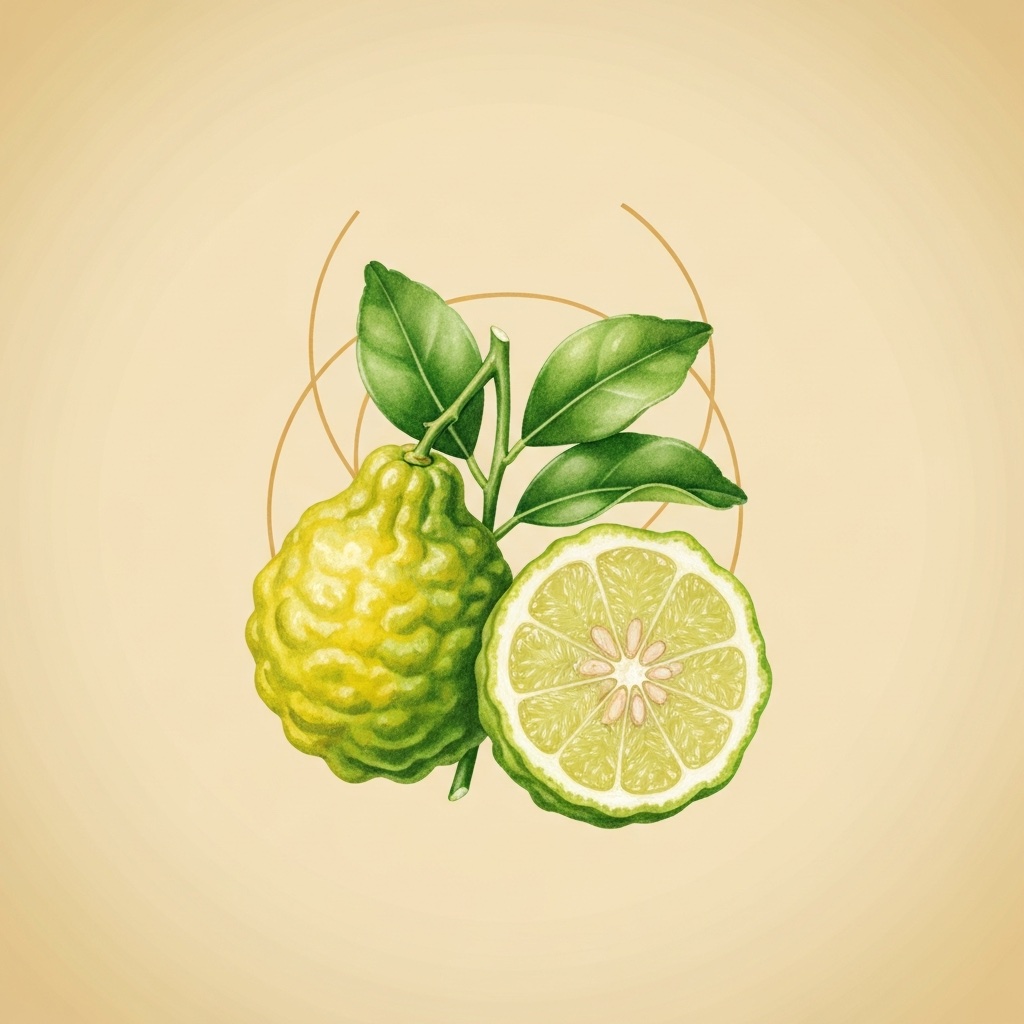
Bergamot Essential Oil
Citrus bergamia
Extracted from the rind of the bergamot citrus fruit, this essential oil is prized for its complex, floral-citrus aroma.
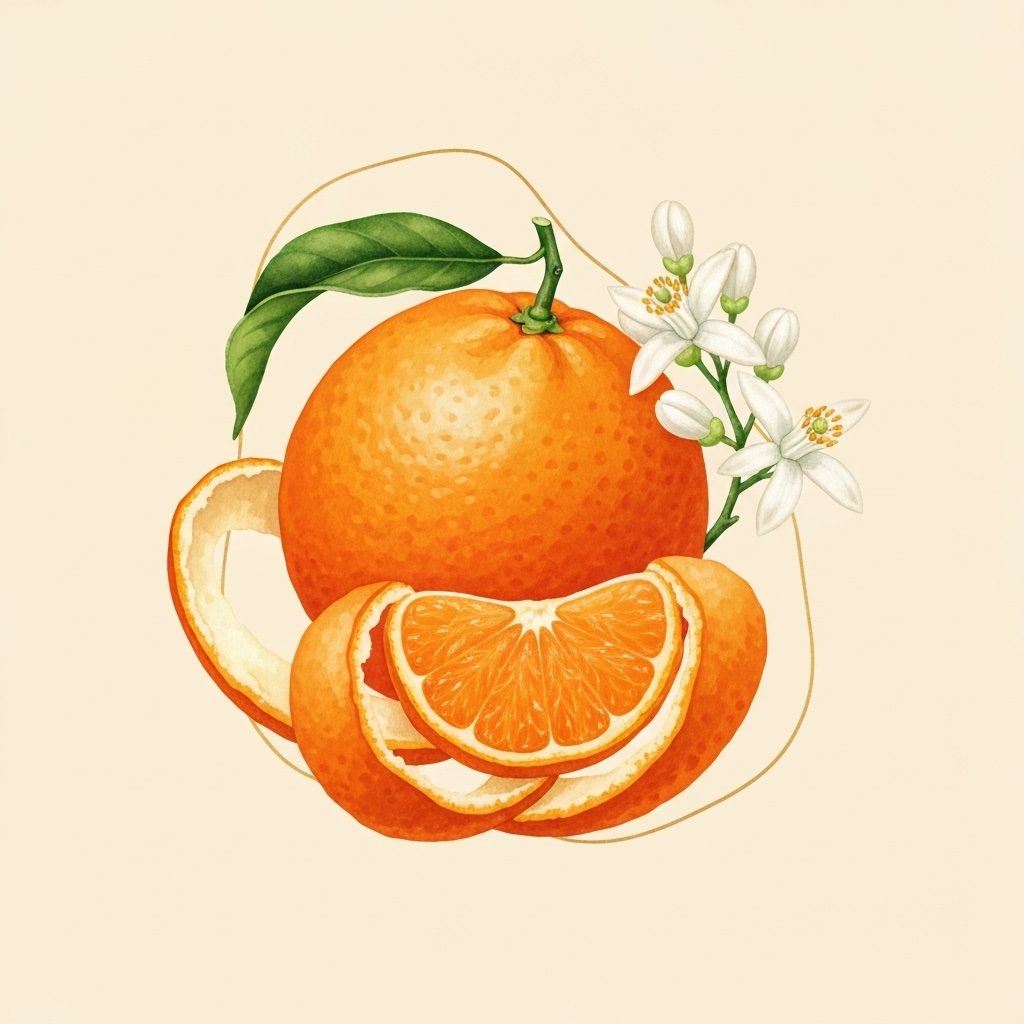
Sweet Orange Essential Oil
Citrus sinensis
Cold-pressed from orange peels, sweet orange essential oil is rich in limonene and provides a bright, uplifting aroma.
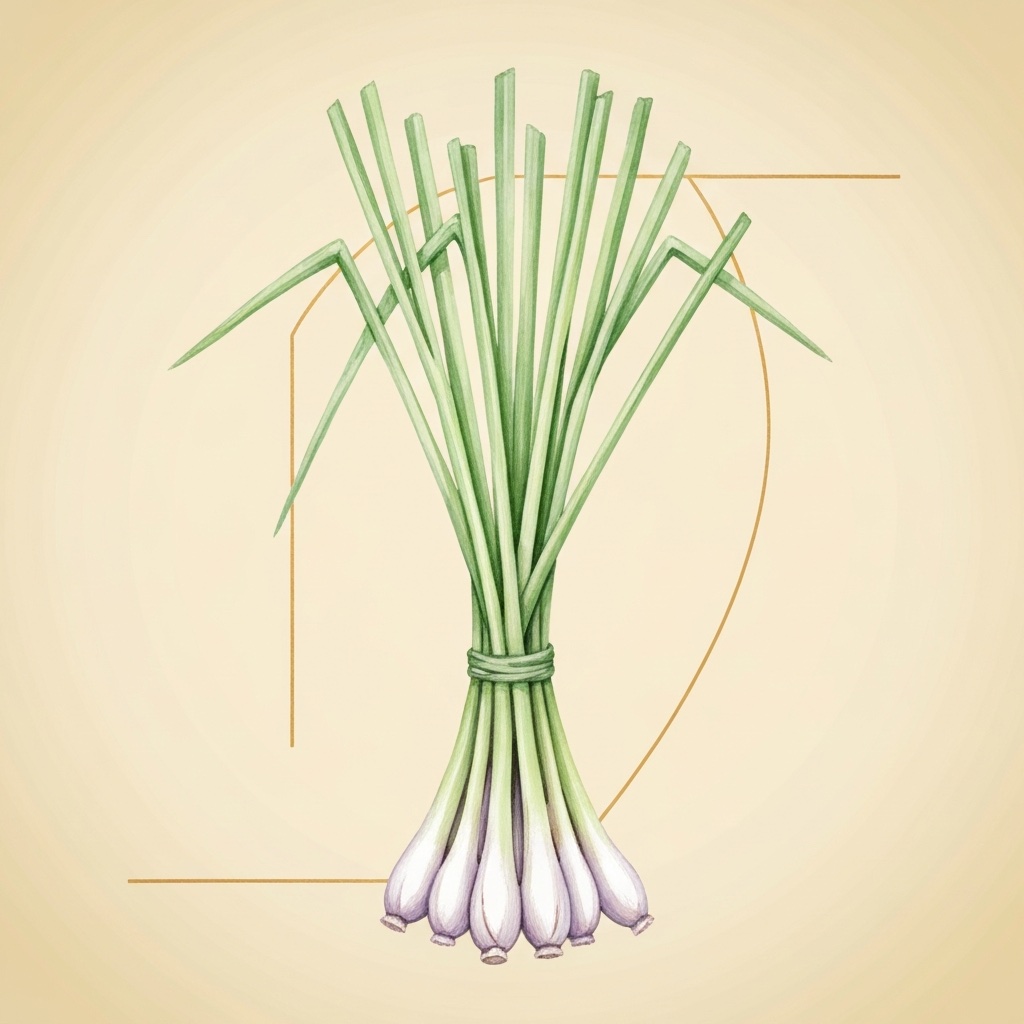
Lemongrass Essential Oil
Cymbopogon citratus
Steam-distilled from fresh lemongrass stalks, this essential oil is prized for its bright, citrusy aroma and natural cleansing properties.

Lemon Oil
Citrus limon
A cold-pressed essential oil derived from the rind of the lemon fruit.

Thyme Oil
Thymus vulgaris
An essential oil steam-distilled from the flowering tops of common thyme, a Mediterranean herb.

Peppermint Oil
Mentha × piperita
An essential oil steam-distilled from the leaves of peppermint, a natural hybrid of watermint and spearmint.

Eucalyptus Oil
Eucalyptus globulus
An essential oil steam-distilled from the leaves of the eucalyptus tree, native to Australia.
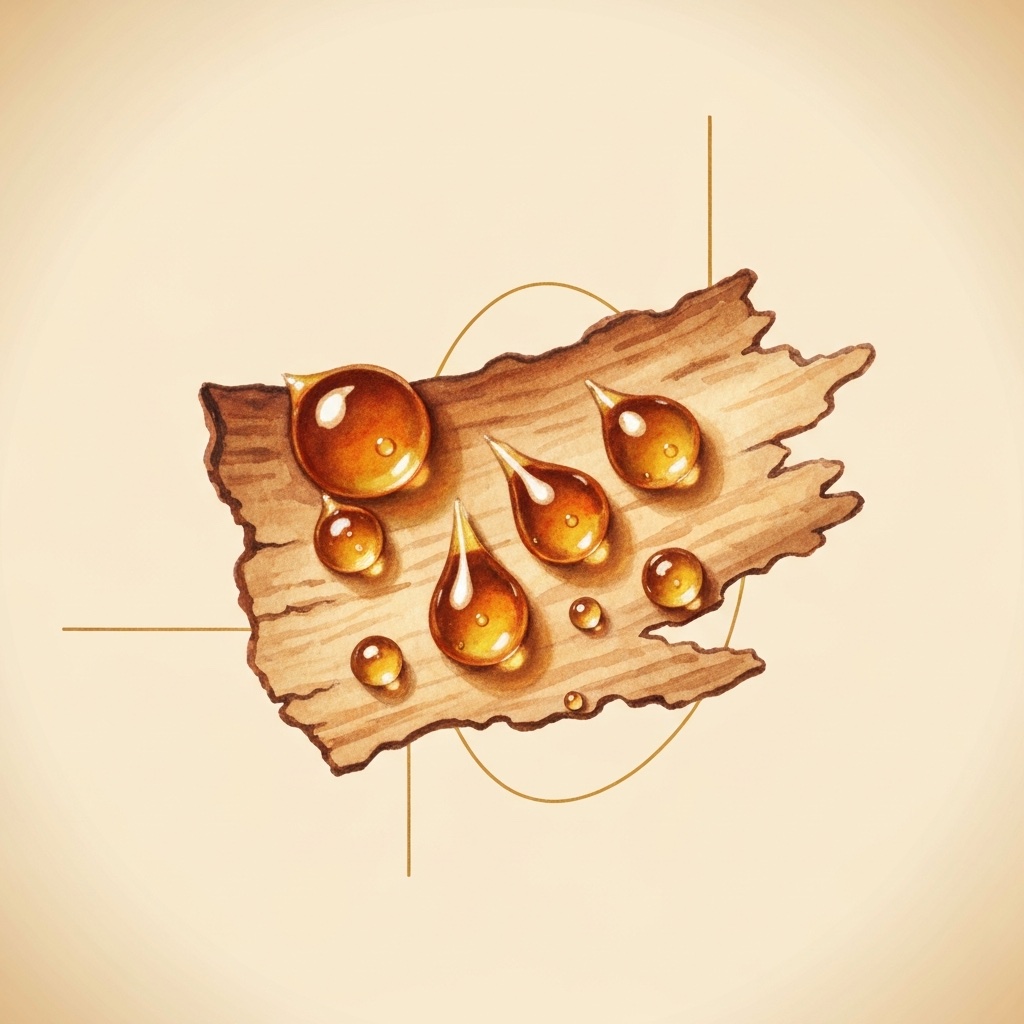
Frankincense Oil
Boswellia carterii / Boswellia sacra
A resinous essential oil steam-distilled from the hardened sap of Boswellia trees, used in traditional medicine and ceremonial practice for millennia.
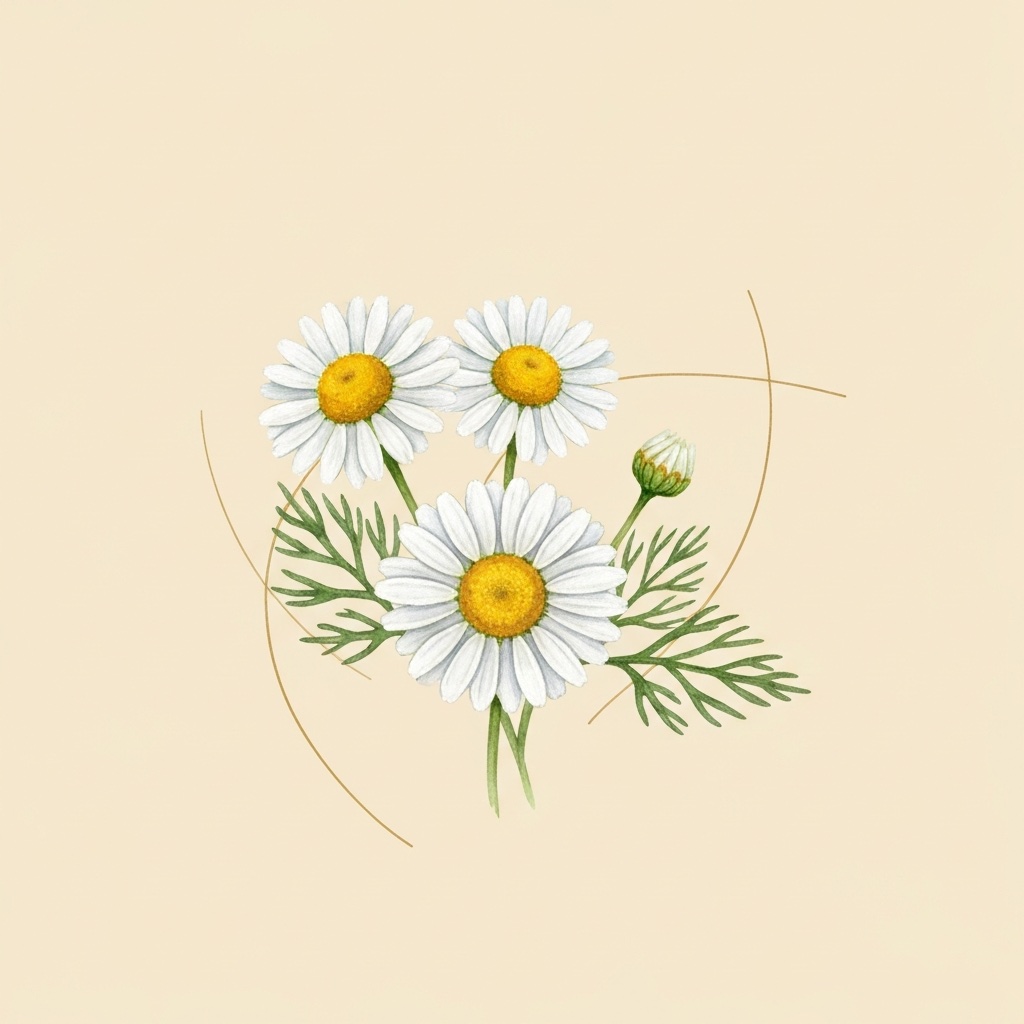
Bisabolol
α-Bisabolol
A soothing compound derived from chamomile.
Why we share this.
Most supplement companies hide behind proprietary blends and vague claims. We publish every dose, every source, every research paper we leaned on. An informed customer is our best customer — and frankly, our only kind.

Chief Mushroom Officer
Every ingredient on this page is research-backed and clinically dosed, and every product is lab tested (certificates of analysis on request). If you can’t find a source, a dose, or a reason — tell us. We’ll fix it.