SectionThe Science
Atlas02 of 04
TopicBiological pathways
Entries27 pathways
Cross-refsCompounds · Targets

No. 02The chain

How a
molecule
becomes a
wellness outcome.

Between a capsule and a feeling sits a chain of three links: a compound, the action site it binds, and the downstream goal that target serves. Every pathway in this atlas is one such chain — verified, named, and indexed so we can rotate around it.

Filed under

Pharmacokinetics, receptor pharmacology

Last revised

Continuously updated · Protocol v3.1

§ 0How to read a pathway

A pathway is a sentence with four nouns.

First the product — what actually arrives at your door. Inside it, the compound that sets the schedule. Then the action site — the receptor, enzyme or axis it acts on, and whether that target adapts. Last, the wellness goal — what changes for you.

If the target adapts, the compound needs cycling. If it doesn’t, daily is fine.

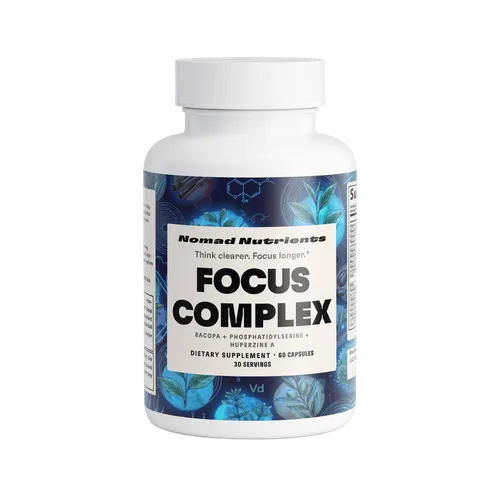
ProductFocus ComplexWhat you take · 5d on / 2d off
CompoundHuperzine A2 d rest / week
Action siteAcetylcholinesterase (AChE)Adapts · full reset 3–5 days
GoalFocusAcetylcholinesterase inhibition
FIG. 02.AA worked example, read left to right — the product you take, the compound in it that drives the schedule, the site that compound acts on, and what changes for you. The site adapts, so the compound rests every week. Note the two numbers don’t match: a weekly rest window is a partial recovery, not a full reset.

§ 1The atlas

Every pathway, filed by outcome.

Filter by the goal you want; see which pathways serve it and which compounds route through each.

Filter

27 pathways · all goals

No.08

Melatonergic circadian signaling

melatonin-circadian

Activates melatonin receptors in the SCN to regulate circadian rhythm and sleep onset.

Rest
Action sites
Compounds routing through it
No.20

Glutathione precursor supply

glutathione-precursor

Provides rate-limiting cysteine for glutathione synthesis via GCL enzyme.

Immunity
Action sites
Compounds routing through it
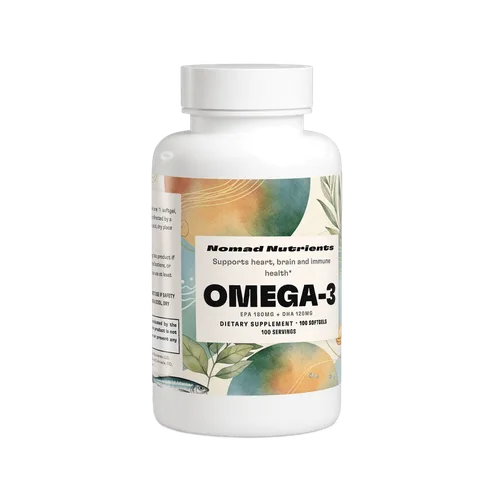
No.21

Omega/SPM inflammation resolution

omega-resolution

Supplies EPA/DHA precursors for specialized pro-resolving mediator (SPM) synthesis.

Immunity
Action sites
Compounds routing through it
No.24

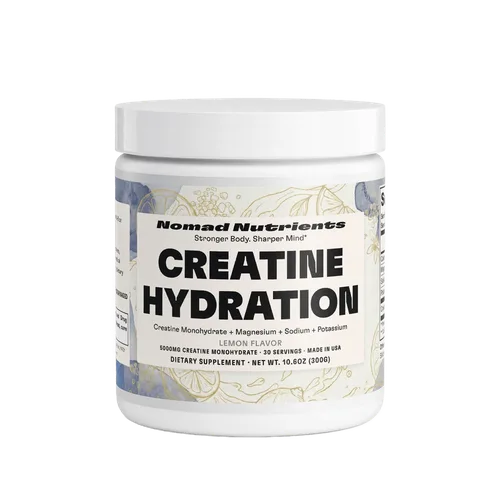
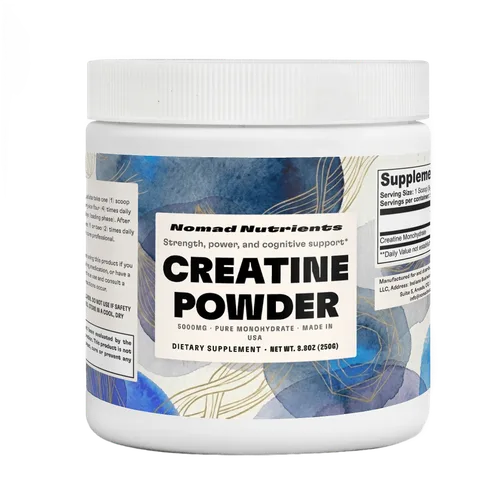
Phosphocreatine ATP buffering

creatine-phosphagen

Saturates phosphocreatine stores via SLC6A8 transporter for rapid ATP regeneration in muscle and brain — supports both physical power output and cognitive performance under fatigue.

EnergyFocus
Action sites
Compounds routing through it
No.25

Enzymatic cofactor replenishment

cofactor-enzymatic

Maintains Mg²⁺, Zn²⁺, and B-vitamin pools required for 300+ enzymatic reactions including ATP synthesis and DNA repair.

Immunity
Action sites
Compounds routing through it
No.26

Taurine cellular osmoregulation

taurine-cellular

Supports cardiac contractility, neural membrane stabilization, and bile acid conjugation via TauT transporter-mediated cellular uptake.
Energy
Action sites
Compounds routing through it
No.27

Vitamin D receptor genomic signaling

vdr-genomic

Activates VDR nuclear receptor to regulate ~1,000 genes involved in calcium metabolism, immune function, and bone health.

Immunity
Action sites

§ 2System overview

The whole atlas, by the numbers.

Biological pathways

27

Verified routes from compound to wellness outcome.

Action sites

30

Receptors, enzymes, transporters & axes the compounds bind.

Adapting systems

20

The ones that downregulate — and drive the cycling schedule.

Wellness goals

6

Energy, Focus, Calm, Rest, Immunity, Beauty.

§ 3Legend

What the dots mean.

  • Adapts

    The target downregulates or desensitizes with continuous use. Cycling restores responsiveness.

  • Stable

    No meaningful adaptation. Daily dosing is safe — and typically optimal.

§ 4Methods

How we classify a target.

A target is marked adapting when peer-reviewed evidence shows receptor density, enzyme expression, or axis sensitivity changes by a clinically meaningful margin within four weeks of continuous exposure at therapeutic dose. Where evidence is mixed, we err toward cycling and disclose the confidence rating on the compound’s entry.