No.01
Curcumin
Why this matters
- № 01Supports the body's natural inflammatory response*
- № 02Powerful antioxidant protection*
- № 03Supports joint comfort and mobility*
Curcuma longa
The golden spice of India, used for thousands of years in Ayurvedic medicine. Turmeric's active compound curcumin is one of the most studied natural anti-inflammatory compounds.
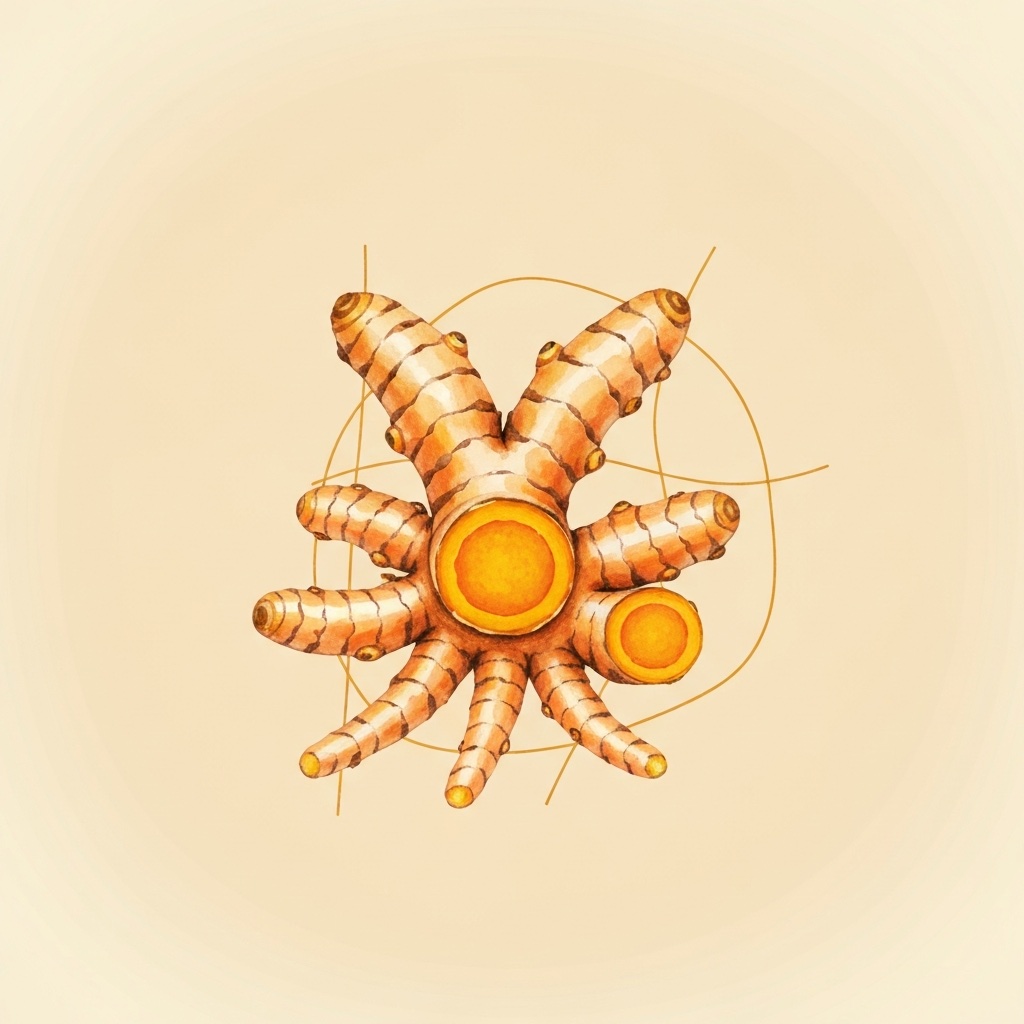
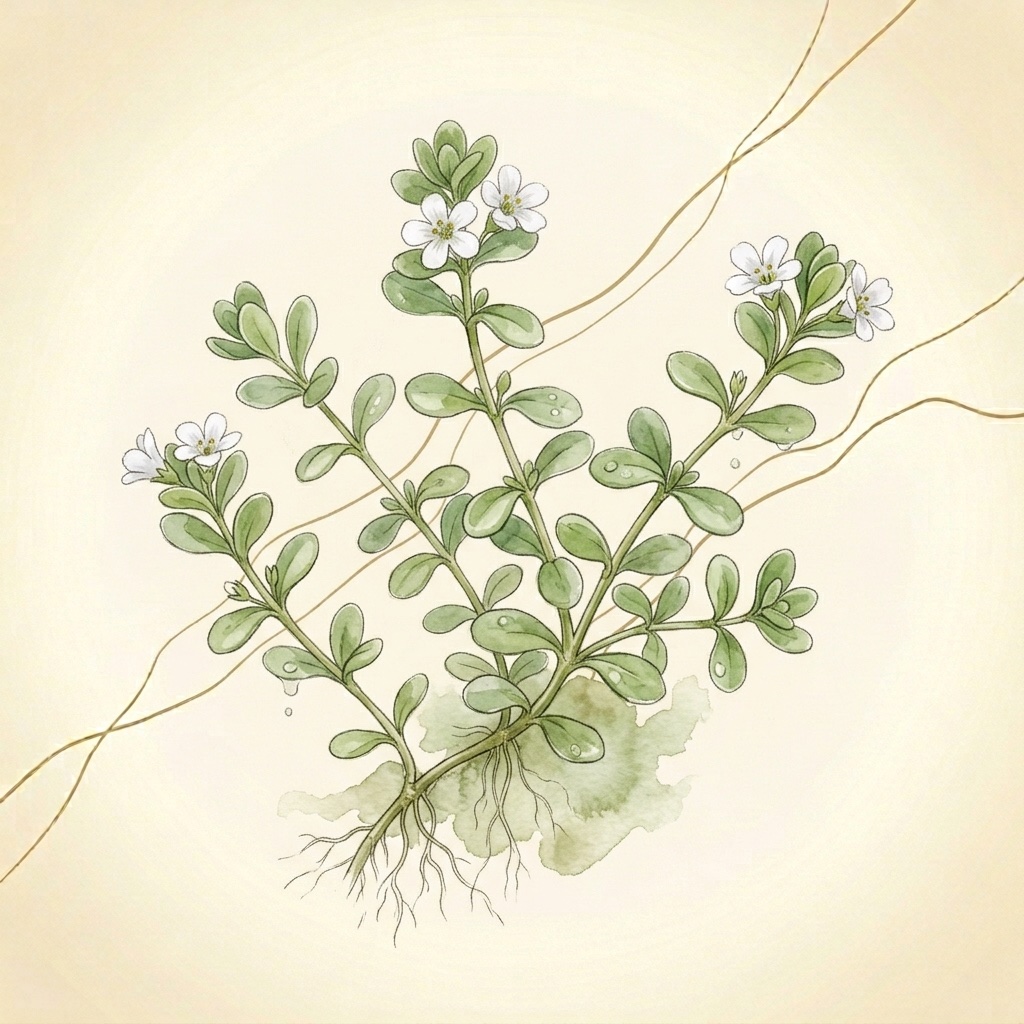
Curcuma longaBotanical illustration
§ 1The molecules
Why this matters
*These statements have not been evaluated by the FDA. This product is not intended to diagnose, treat, cure, or prevent any disease.
§ 2Receipts
“Meta-analysis of 6 RCTs (n=172 curcumin, n=170 placebo) found that curcumin supplementation significantly reduced circulating CRP levels (WMD=-2.20 mg/L, p<0.001), particularly at doses above 1,000 mg/day and in trials lasting 8 weeks or longer. Supports curcumin's systemic anti-inflammatory activity via NF-kB modulation.”Sahebkar, Phytotherapy Research, 2014
“Systematic review of 8 RCTs evaluating curcumin for osteoarthritis pain. Curcumin (typically 1,000 mg/day for 4-12 weeks) significantly reduced pain scores and improved physical function compared to placebo, with efficacy comparable to NSAIDs such as ibuprofen in some trials and fewer gastrointestinal side effects.”Daily et al., Journal of Medicinal Food, 2016
Every compound in your stack — sourced, dosed, and cited. Browse the science behind the bottles.
We publish every dose, every source, every paper we leaned on. An informed customer is our only kind.
Browse the full library
Your body absorbs, metabolizes, and responds to nutrients differently depending on when you take them. Fat-soluble compounds taken without fat pass through you. Stimulatory adaptogens taken at night keep you up. Minerals taken together compete for the same transporters. This is the complete timing protocol — organized by window, with the pharmacokinetic reasoning behind every recommendation.


Skin breakouts, brain fog after meals, immune issues that track with GI symptoms, chronic inflammation, and nutrient malabsorption — five signs that gut dysfunction is driving problems you're treating downstream.


You're sleeping enough. You're still exhausted. Fatigue that doesn't respond to rest is almost always upstream of sleep — here are six physiological reasons and the compounds that address each one.


Most supplements don't have clinical evidence worth citing. These six do — here's the specific research, the mechanism, and how they compound when stacked together.
— End of entry
Browse the products it’s in, or build a stack around the goal it serves best.