No.01
Valerenic Acid
Why this matters
- № 01Interacts with GABA receptors to promote calm*
- № 02Supports relaxation without morning grogginess*
Valeriana officinalis
A flowering plant native to Europe and Asia, Valerian has been used since ancient Greece and Rome to promote relaxation and restful sleep. It's one of the most well-studied natural sleep aids.
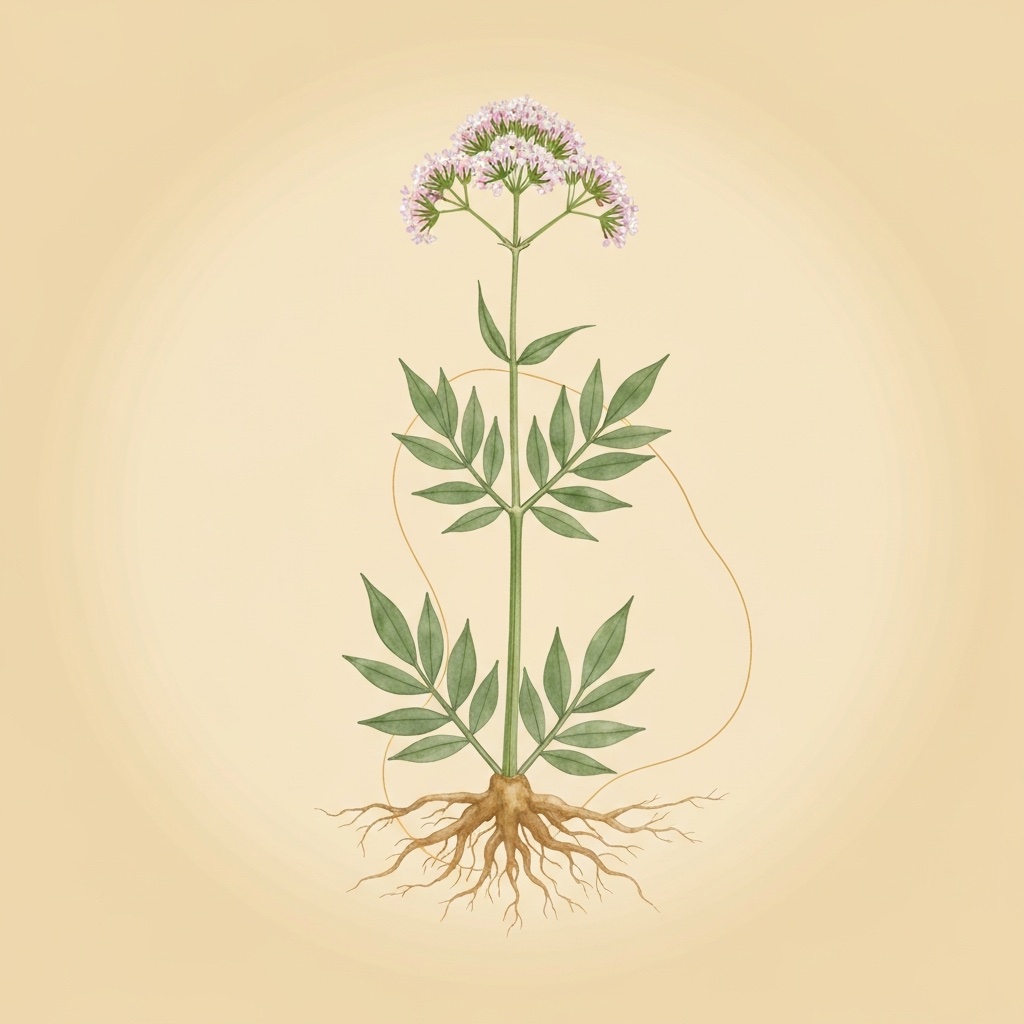
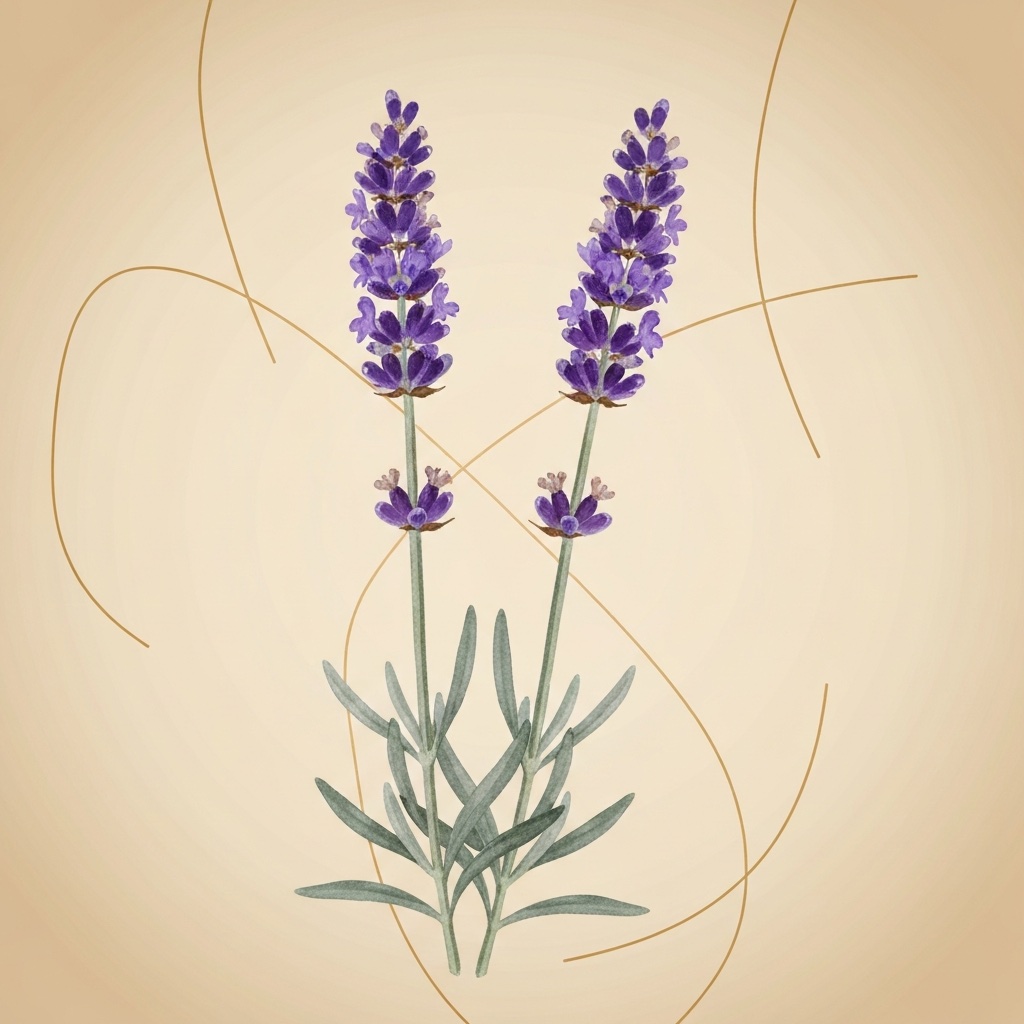
Valeriana officinalisBotanical illustration
§ 1The molecules
Why this matters
Why this matters
*These statements have not been evaluated by the FDA. This product is not intended to diagnose, treat, cure, or prevent any disease.
§ 2Receipts
“Systematic review and meta-analysis of 60 studies (n=6,894) on valerian for sleep and associated disorders. Meta-analysis of 10 placebo-controlled RCTs found a combined effect size of 0.36 for subjective sleep quality improvement. Subgroup analysis favored whole root preparations (ES=0.83) over extracts (ES=0.10). No severe adverse events reported.”Shinjyo et al., Journal of Evidence-Based Integrative Medicine, 2020
“Systematic review and meta-analysis of 16 RCTs (n=1,093) evaluating valerian for sleep quality. Dichotomous sleep quality outcomes from 6 studies showed valerian users had an 80% greater relative risk of reporting improved sleep (RR=1.8, 95% CI 1.2-2.9) compared to placebo, with no significant side effects.”Bent et al., American Journal of Medicine, 2006
Every compound in your stack — sourced, dosed, and cited. Browse the science behind the bottles.
We publish every dose, every source, every paper we leaned on. An informed customer is our only kind.
Browse the full library— End of entry
Browse the products it’s in, or build a stack around the goal it serves best.