No.01
Quercetin Dihydrate
Why this matters
- № 01Supports a healthy inflammatory response*
- № 02Promotes immune cell function and resilience*
- № 03Acts as a senolytic — helps clear aging, dysfunctional cells*
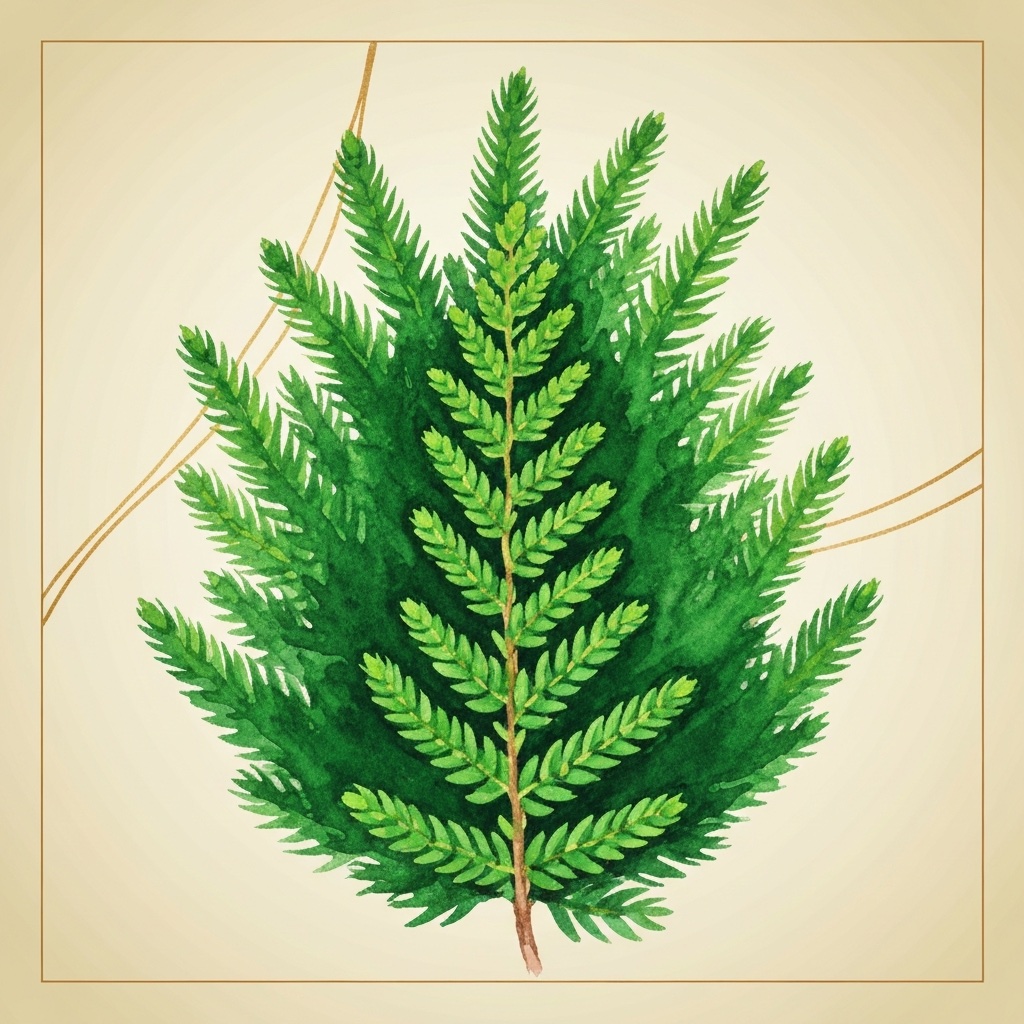
Sophora japonica
A deciduous tree native to China and Japan, cultivated for centuries in East Asian medicine. The flower buds and pods of Sophora japonica are the richest natural source of quercetin — a flavonoid extensively studied for its role in supporting a healthy inflammatory response, immune defense, and cellular longevity.
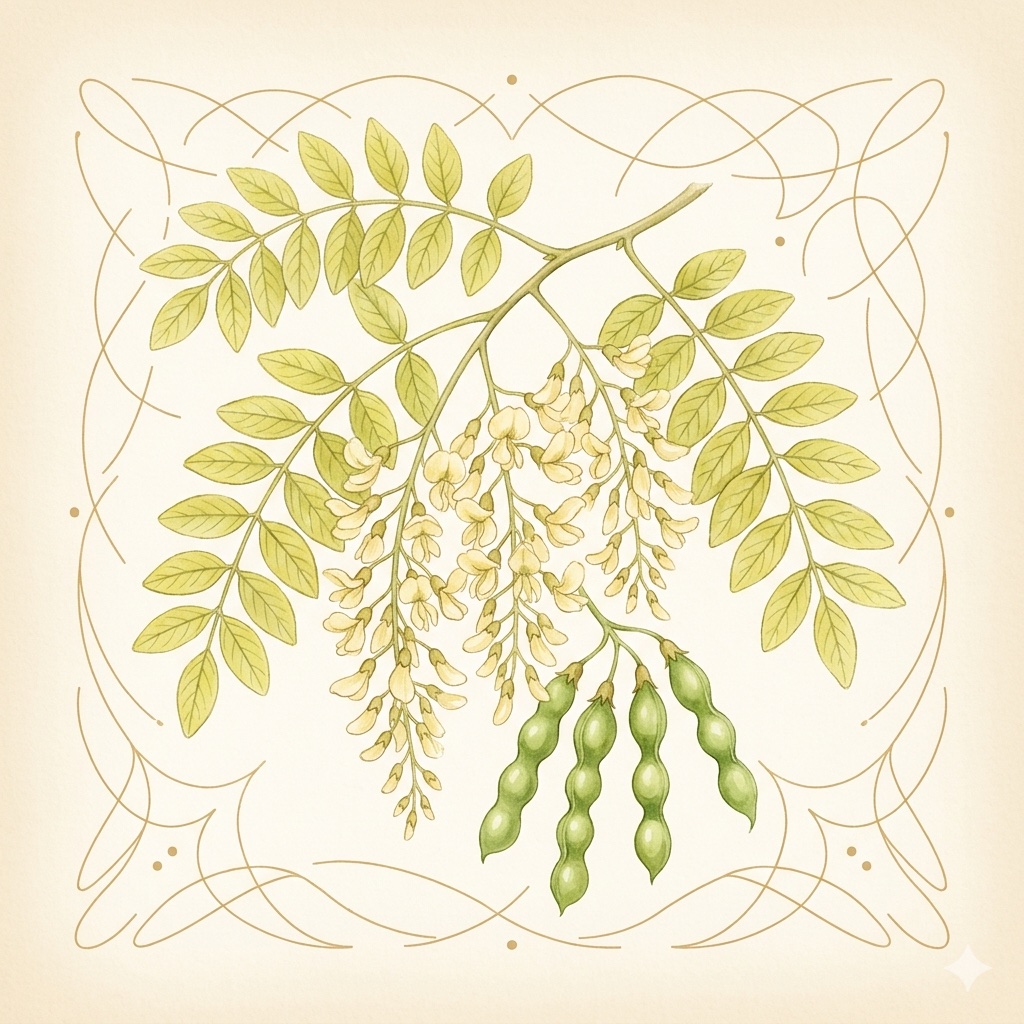
Sophora japonicaBotanical illustration
§ 1The molecules
Why this matters
*These statements have not been evaluated by the FDA. This product is not intended to diagnose, treat, cure, or prevent any disease.
§ 2Receipts
“Meta-analysis of 9 RCTs (n=429) evaluating quercetin supplementation (500-1,000 mg/day for 2-12 weeks) on inflammatory biomarkers. Quercetin significantly reduced CRP levels (WMD=-0.33 mg/L, p=0.02) particularly at doses above 500 mg/day and durations exceeding 8 weeks, consistent with NF-kB and NLRP3 inflammasome inhibition.”Mohammadi-Sartang et al., Pharmacological Research, 2017
“Systematic review of quercetin's senolytic and immune-modulatory properties. In human pilot studies, combination of quercetin (dosing varies) with dasatinib selectively cleared senescent cells, reduced circulating SASP markers, and improved physical function in patients with idiopathic pulmonary fibrosis and diabetic kidney disease.”Kirkland & Tchkonia, EBioMedicine, 2020
Every compound in your stack — sourced, dosed, and cited. Browse the science behind the bottles.
We publish every dose, every source, every paper we leaned on. An informed customer is our only kind.
Browse the full library— End of entry
Browse the products it’s in, or build a stack around the goal it serves best.