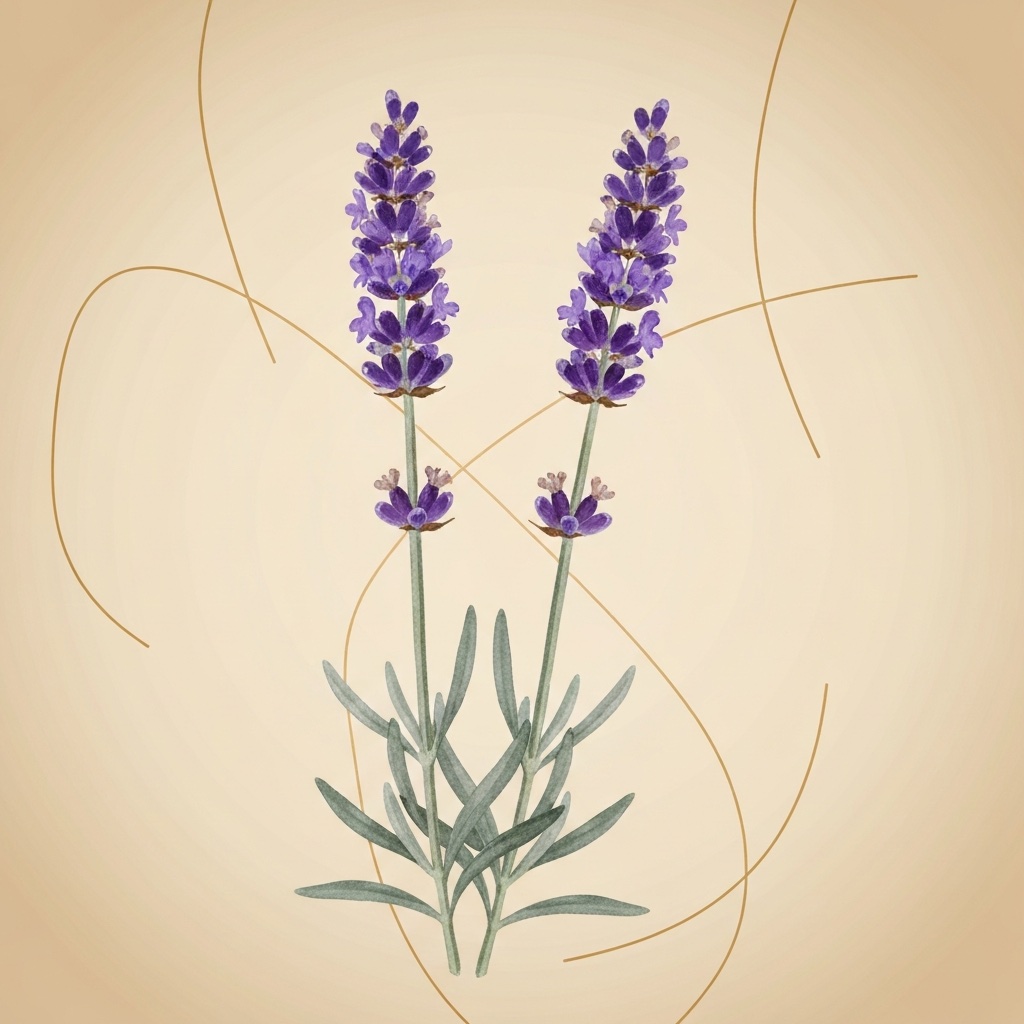
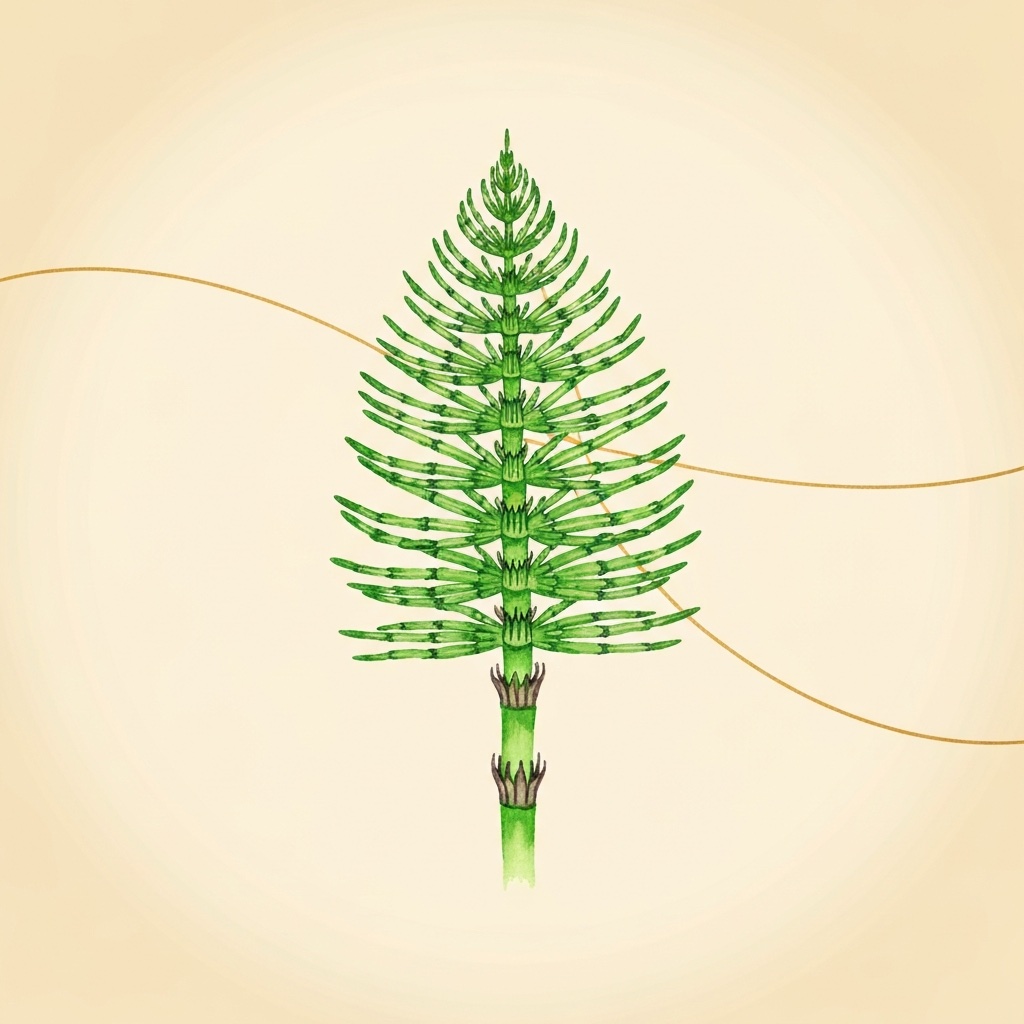
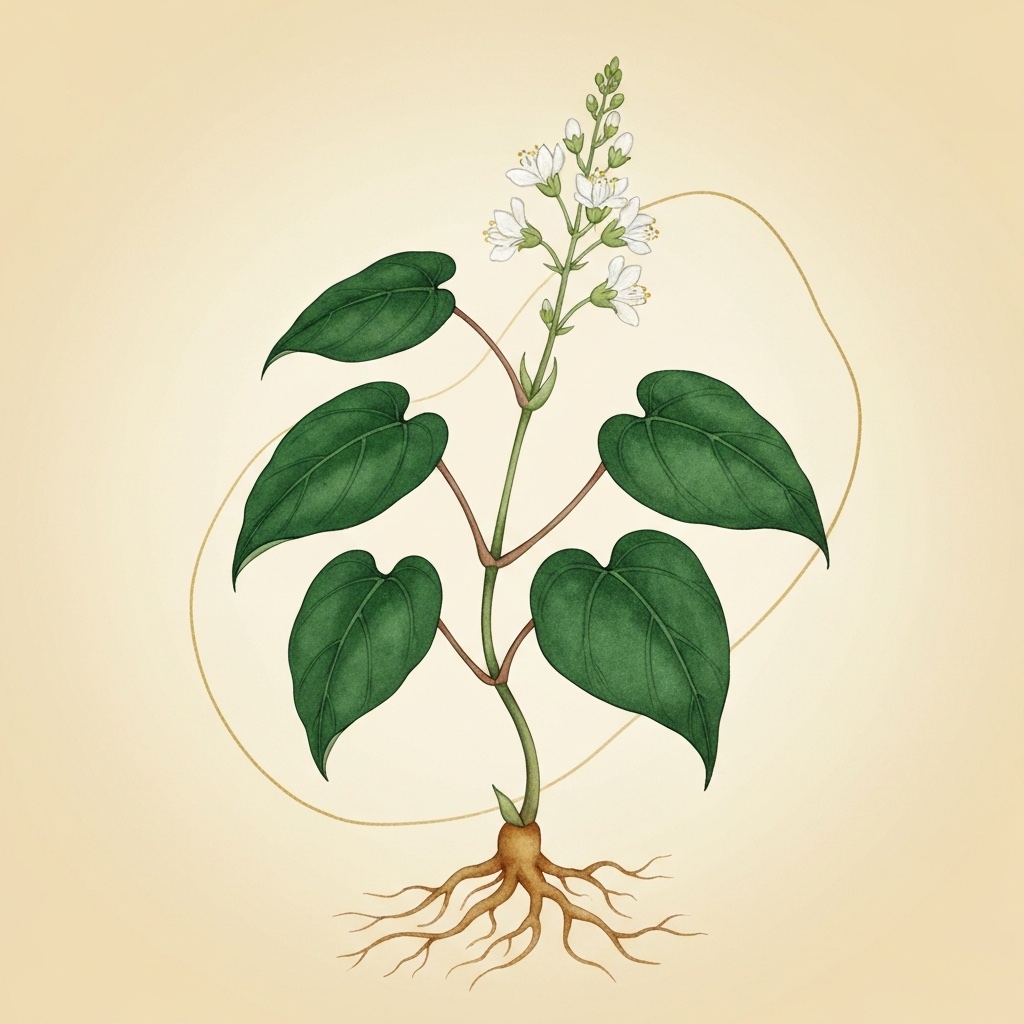
No.01
Fulvic Acid
Why this matters
- № 01Enhances nutrient absorption and bioavailability*
- № 02Supports cellular energy production (ATP)*
- № 03Powerful antioxidant and detoxification support*
Asphaltum punjabianum
A mineral-rich resin found in the Himalayas, formed over centuries from decomposed plant matter. Known as the 'destroyer of weakness' in Sanskrit, Shilajit has been used in Ayurveda for thousands of years.
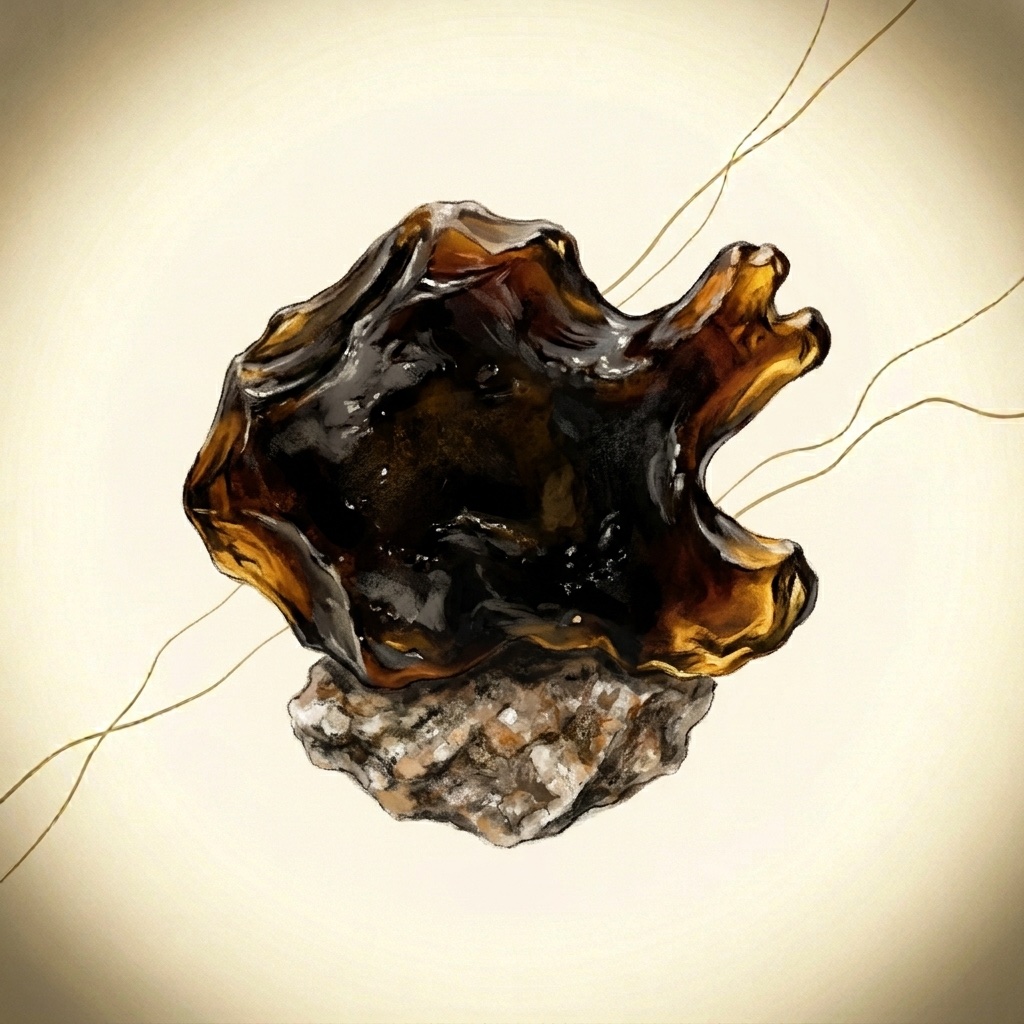
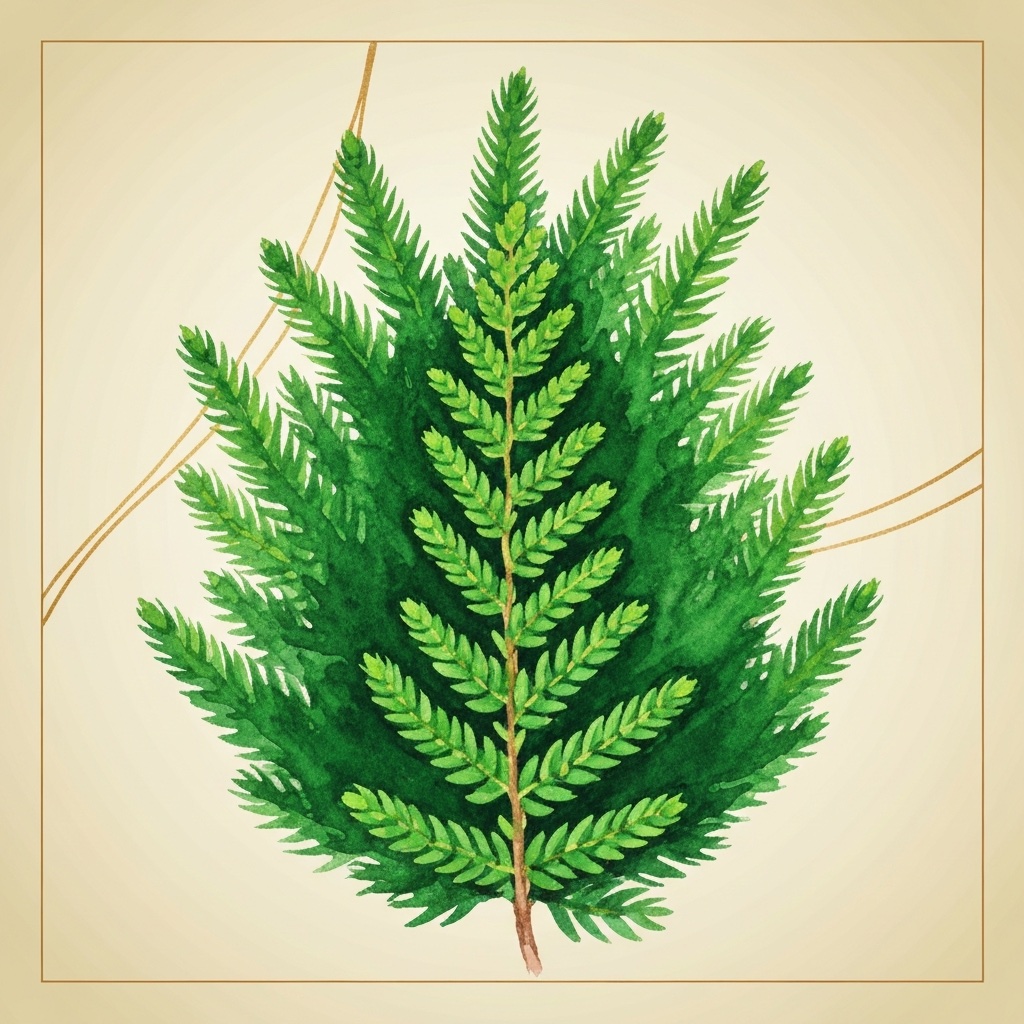
Asphaltum punjabianumBotanical illustration
§ 1The molecules
Why this matters
Why this matters
*These statements have not been evaluated by the FDA. This product is not intended to diagnose, treat, cure, or prevent any disease.
§ 2Receipts
“Double-blind, placebo-controlled RCT of 96 healthy men (aged 45-55). Purified Shilajit (250 mg twice daily) for 90 consecutive days significantly increased total testosterone, free testosterone, and DHEAS (all p<0.05) compared to placebo, while gonadotropic hormones (LH, FSH) remained well maintained.”Pandit et al., Andrologia, 2016
“Narrative review of Shilajit's pharmacology describing it as a potent and safe dietary supplement composed primarily of fulvic acid. Fulvic acid blocks tau self-aggregation in vitro, suggesting potential for cognitive disorders. The exudate restores energetic balance by supporting mitochondrial electron transport and CoQ10 regeneration.”Carrasco-Gallardo et al., International Journal of Alzheimer's Disease, 2012
Every compound in your stack — sourced, dosed, and cited. Browse the science behind the bottles.
We publish every dose, every source, every paper we leaned on. An informed customer is our only kind.
Browse the full library
No supplement will double your testosterone. Any product claiming 300% increases is misrepresenting rodent data or fabricating results. What natural compounds can do is meaningful but modest — free testosterone increases in the range of 10–25% over 8–12 weeks. For a man with low-normal levels, that's the difference between sluggish and functional. Here's what the clinical evidence actually supports, with honest effect sizes and clear boundaries.


Bee bread, shilajit, moringa, sea moss — these aren't wellness trends. They're ancient nutritional technologies with modern clinical data behind them. Here's what they replace and why they work better.


Shilajit doesn't fit neatly into the supplement taxonomy. What it does to mitochondrial electron transport — and why that matters for energy — is more interesting than the ancient remedy framing.

— End of entry
Browse the products it’s in, or build a stack around the goal it serves best.