The Natural Anxiety Stack: 5 Compounds With Evidence (That Aren't SSRIs)
This is not medical advice and not a replacement for professional mental health care. It is a clear-eyed look at the natural compounds with clinical evidence for anxiety — how they work, what they don't do, who they're appropriate for, and one critical drug interaction that can be life-threatening. If you're experiencing severe or persistent anxiety, please work with a healthcare provider.



Anxiety exists on a spectrum. On one end: situational stress, performance anxiety, the low-level background hum of modern life. On the other: generalized anxiety disorder, panic disorder, and clinical conditions that significantly impair daily function. Natural compounds have the strongest evidence for the mild-to-moderate range — for people who can't tolerate pharmaceutical options, want to try natural approaches first with professional guidance, or are looking for complementary support alongside existing treatment.
They are not a substitute for therapy, medication, or professional care when those are indicated. And one compound on this list has a critical drug interaction that we'll address directly. With those boundaries set, here are the five compounds with meaningful clinical evidence.
Ashwagandha (KSM-66) — HPA Axis Recalibration
Chronic anxiety is, in many cases, a chronic HPA (hypothalamic-pituitary-adrenal) axis dysregulation: cortisol is elevated too high for too long, the negative feedback loop that should bring it back down is blunted, and the system stays in a low-grade alarm state. The hypothalamus keeps signaling CRH, the pituitary keeps releasing ACTH, the adrenals keep producing cortisol — and the receptors that should detect "enough cortisol" and shut the loop down have lost sensitivity.
Withanolides — ashwagandha's active compounds — appear to sensitize cortisol receptors in the hypothalamus, restoring the negative feedback loop that downregulates cortisol when it's no longer needed. This isn't suppressing cortisol production (which would impair the acute stress response you actually need). It's recalibrating the thermostat so the system returns to baseline after the stressor passes, rather than staying elevated indefinitely.
Ashwagandha with black pepper — KSM-66 extract with piperine for withanolide bioavailability. A 2012 RCT using 600mg KSM-66 daily showed 28% reduction in serum cortisol and 44% reduction in perceived stress scores over 60 days. A 2019 RCT showed significant improvement on the Hamilton Anxiety Scale alongside cortisol reduction. Evening dosing aligns with cortisol's natural diurnal rhythm. This is the daily baseline — not a rescue intervention for acute anxiety, but a 2–4 week building recalibration of the axis that's sustaining the chronic state. Full effects at 6–8 weeks.
Sublingual GABA — Acute Rescue for Anxiety Spikes
Gamma-aminobutyric acid is the brain's primary inhibitory neurotransmitter — it reduces neural excitability. Anxiety, at the neurotransmitter level, often involves insufficient GABAergic tone relative to excitatory glutamate signaling. The brain is too "on." Pharmaceutical anxiolytics (benzodiazepines) work by enhancing GABA-A receptor activity at the benzodiazepine binding site. The question with supplemental GABA has always been blood-brain barrier penetrance — oral GABA in capsule form has questionable BBB crossing, with much of it possibly acting on peripheral GABA receptors in the enteric nervous system rather than reaching cortical neurons.
Sublingual delivery changes this equation. By absorbing through the oral mucosa directly into systemic circulation and bypassing first-pass hepatic metabolism, sublingual GABA achieves higher peak plasma concentrations faster — improving the probability of therapeutically relevant brain concentrations. A 2006 study found oral GABA reduced anxiety markers and increased alpha brain wave activity (associated with relaxed alertness) within 60 minutes. The practical observation across sublingual users: faster onset and more pronounced subjective effects than capsule form, suggesting the delivery route matters substantially.
Alpha chill strips — sublingual GABA for acute anxiety episodes. Place under the tongue when anxiety spikes. Effects typically begin within 15–30 minutes. This is the situational rescue tool in the stack, not a daily baseline. Ashwagandha recalibrates the axis over weeks; GABA strips address the acute experience of anxiety within the hour. The combination covers both the chronic maintenance layer and the acute as-needed layer — analogous to how asthma management uses both daily controllers and rescue inhalers for different temporal needs.
Don't shop alone. Build with Myco.
Tell Myco your goals. He'll pull the three compounds that fit your life and time-zone — locked-in founding pricing.
5-HTP — Serotonin Precursor (With a Critical Drug Interaction)
5-HTP (5-hydroxytryptophan) is the immediate precursor to serotonin, entering the synthesis pathway one step below the tryptophan fork point where stress-activated IDO/TDO enzymes divert tryptophan toward the kynurenine pathway. By entering below this fork, 5-HTP bypasses the stress-mediated diversion that depletes serotonin production under chronic stress conditions. The mechanism is elegant: chronic stress doesn't reduce tryptophan intake, it redirects tryptophan away from serotonin toward kynurenine. 5-HTP enters the pathway below that diversion point.
CRITICAL WARNING: 5-HTP must NOT be combined with SSRIs, SNRIs, or MAOIs. SSRIs block serotonin reuptake (keeping serotonin in the synapse). 5-HTP increases serotonin production. Together, they cause serotonin accumulation beyond what MAO enzymes can clear — serotonin syndrome, a potentially life-threatening condition with hyperthermia, agitation, clonus, and in severe cases, organ failure. If you are taking any serotonergic medication, do not take 5-HTP without explicit guidance from your prescribing physician. This is not a precaution — it is a serious, potentially fatal drug interaction.
5-HTP at 100mg daily to start, with assessment before increasing. Evening dosing — serotonin converts to melatonin via the pineal gland at night, supporting the anxiety → sleep connection. Effects typically appear at 2–4 weeks as serotonergic tone improves. Only for individuals NOT on serotonergic medications. The contraindication with SSRIs, SNRIs, and MAOIs is absolute, not relative. If there is any doubt about drug interaction, consult your prescribing physician before use.
Respiratory Calming Blend — Olfactory-Limbic Pathway
This one works through a different channel entirely: the olfactory-limbic pathway. Olfactory receptor neurons project directly to the amygdala (threat detection) and hippocampus (emotional regulation) without routing through the thalamic relay that other sensory inputs require. This is why scent triggers emotional responses faster than any other sense — it's a monosynaptic pathway to the brain's emotional centers.
Lavender's primary active compound, linalool, has demonstrated anxiolytic effects through GABA transmission modulation — not through the benzodiazepine binding site, but through voltage-dependent calcium channel inhibition that reduces presynaptic glutamate release. A head-to-head trial of Silexan (standardized lavender oil) versus lorazepam (a benzodiazepine) showed comparable efficacy over 6 weeks for generalized anxiety. Deep breathing itself is an anxiety intervention — diaphragmatic breathing activates the vagus nerve, shifting autonomic balance from sympathetic (fight-or-flight) to parasympathetic (rest-and-digest). A blend that supports both the breathing practice and the olfactory-limbic calming pathway operates on two mechanisms simultaneously.
Breathe easy drops combine lavender and eucalyptus for dual-pathway calming: olfactory-limbic amygdala modulation through linalool and related terpenes, plus respiratory ease that facilitates the deep breathing practice. Use during acute stress, before sleep, or as part of a deliberate wind-down routine. The mechanism is immediate (olfactory signaling reaches the amygdala within milliseconds of inhalation) and complementary to the other compounds in the stack — it addresses a different neural pathway than either the HPA axis (ashwagandha), GABAergic signaling (GABA strips), or serotonergic tone (5-HTP).
Ayurvedic Adaptogen Complex — Multi-System Modulation
Ayurvedic polyherbal formulas take a different approach than single-compound Western supplementation. Instead of one molecule targeting one receptor, polyherbal formulas use multiple compounds at lower doses to modulate multiple systems simultaneously. The three anchors of this formulation: ashwagandha (HPA axis, covered above), holy basil / tulsi (cortisol modulation through ursolic acid plus neuroprotection through eugenol and rosmarinic acid), and brahmi / Bacopa monnieri (simultaneous serotonergic and GABAergic modulation plus antioxidant protection in the hippocampus).
Brahmi is particularly relevant for anxiety because it addresses the cognitive symptoms — racing thoughts, difficulty concentrating, memory impairment under stress — alongside the emotional ones. A 2014 meta-analysis across 9 RCTs found significant improvements in attention, cognitive processing, and reduced anxiety with Bacopa supplementation. Holy basil has clinical evidence for cortisol reduction and improved stress resilience through a distinct mechanism from ashwagandha, targeting different nodes of the HPA axis.
The ayurvedic complex is an 18-herb formula anchored by ashwagandha, holy basil, and brahmi. The multi-herb approach provides broader system modulation than any single compound — which reflects the Ayurvedic principle of treating the system rather than the symptom. Use as a daily adaptogenic foundation, complementary to or overlapping with the single-compound ashwagandha depending on your preference for targeted versus systemic support.
The stack layers: daily baseline (ashwagandha — HPA axis recalibration, 2–8 weeks to full effect), serotonin support (5-HTP — only if NOT on serotonergic medication, evening dosing), acute rescue (alpha chill strips — sublingual GABA, 15–30 minutes to effect, situational use), complementary modulation (breathe easy drops for olfactory-limbic pathway, ayurvedic complex for broad adaptogenic coverage).
When to see a professional instead of or alongside supplementation: anxiety that significantly impairs daily function, panic attacks, thoughts of self-harm, symptoms persisting more than a few months without improvement, concurrent use of any medication (drug interactions are real), or uncertainty about which category your anxiety falls into. This article is meant to inform, not to diagnose or prescribe. Use it as a starting point for a conversation with your healthcare provider, not as a replacement for one.
Key Ingredients

Ashwagandha
Withania somnifera
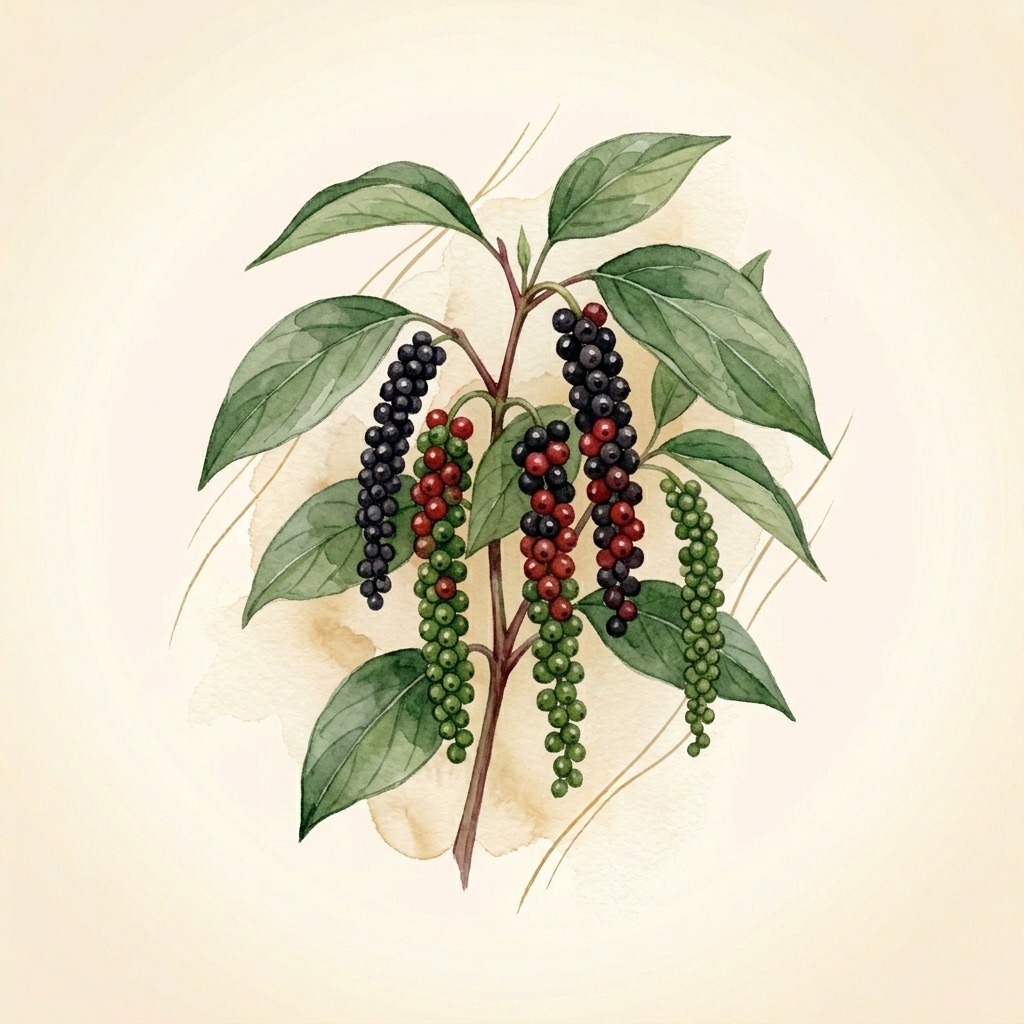
Black Pepper
Piper nigrum

L-Theanine
L-γ-glutamylethylamide

GABA
Gamma-Aminobutyric Acid

Vitamin B6
Pyridoxine Hydrochloride

Griffonia simplicifolia
Griffonia simplicifolia

Turmeric
Curcuma longa

Bacopa
Bacopa monnieri
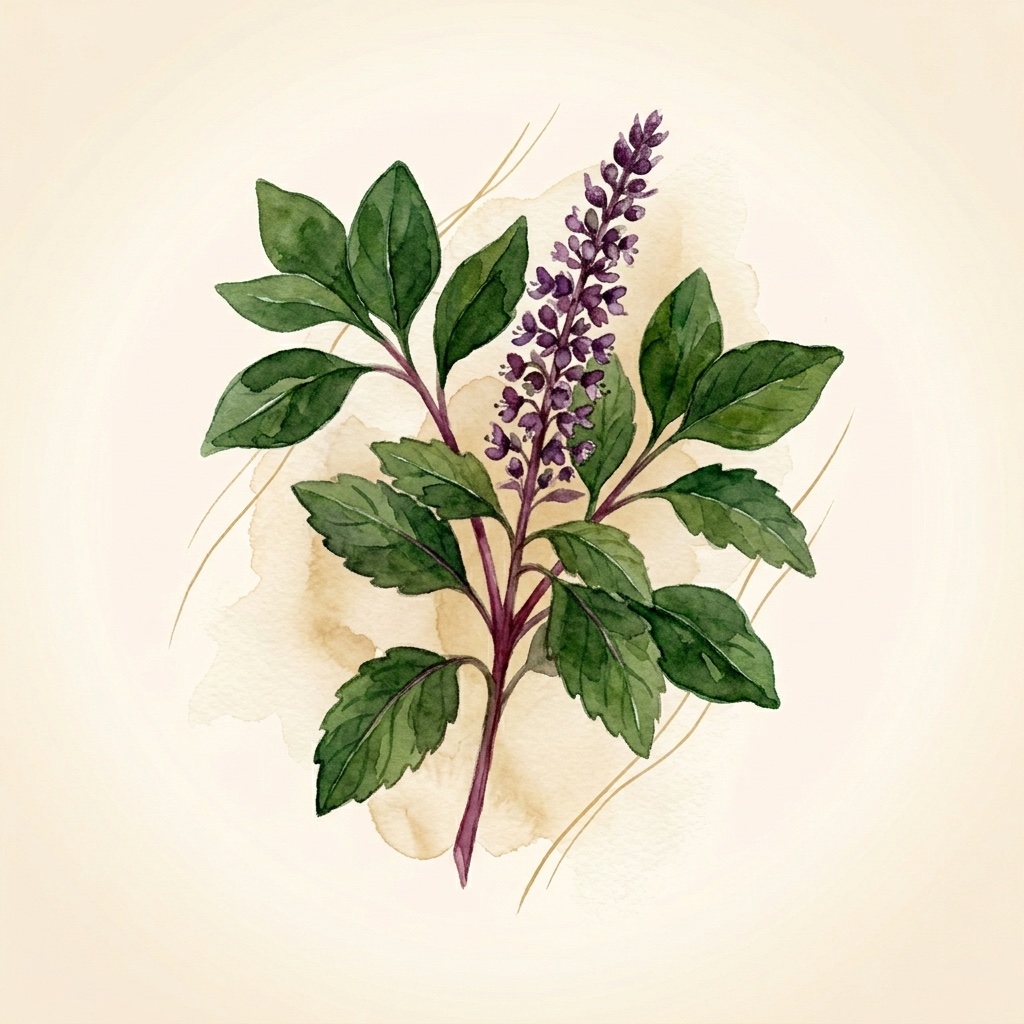
Holy Basil
Ocimum tenuiflorum
Three products. One protocol.
Pick 3. Save 25%. Free shipping over $35. Myco cycles compounds monthly so your body never plateaus — and you never run out.
Code FIRST20 applied at checkout — extra $20 off your first stack
I built Nomad Nutrients because the supplement aisle is broken. Timing, dosing, and stack design matter more than the latest hero ingredient. We get the boring stuff right so you don't have to.
Build a stack from this article
$58.29$77.70
Comments
Leave a Comment
Keep reading.
5 Stress Responses Your Body Is Running Without Your Permission
Elevated resting heart rate. Jaw tension you notice at 5pm. Racing thoughts at bedtime. These aren't personality quirks — they're involuntary physiological stress responses. Here's what's driving each one.


5-HTP: The Serotonin Precursor One Step Closer Than Tryptophan
Tryptophan is the dietary precursor to serotonin, but most of it never becomes serotonin — the kynurenine pathway diverts up to 95% toward immune and NAD+ functions. 5-HTP bypasses this fork entirely, entering the serotonin synthesis pathway one enzymatic step downstream. Here's why that matters for mood, sleep, and why combining it with SSRIs is dangerous.

Oral GABA: Does It Actually Reach Your Brain?
GABA is the brain's main brake pedal. Whether swallowing it presses that pedal is an open question. Here is what the human trials show, and how we dose around the gap.



5 Reasons You Crash at 2pm (And the Compound Fix for Each)
The afternoon energy crash isn't one problem — it's five distinct biological failure modes, each with a different root cause and a different compound fix. Here's how to find yours.



When to Take Every Supplement (The Complete Timing Guide)
Your body absorbs, metabolizes, and responds to nutrients differently depending on when you take them. Fat-soluble compounds taken without fat pass through you. Stimulatory adaptogens taken at night keep you up. Minerals taken together compete for the same transporters. This is the complete timing protocol — organized by window, with the pharmacokinetic reasoning behind every recommendation.



Natural Testosterone Support: What the Research Shows (And What It Doesn't)
No supplement will double your testosterone. Any product claiming 300% increases is misrepresenting rodent data or fabricating results. What natural compounds can do is meaningful but modest — free testosterone increases in the range of 10–25% over 8–12 weeks. For a man with low-normal levels, that's the difference between sluggish and functional. Here's what the clinical evidence actually supports, with honest effect sizes and clear boundaries.


Shop the products.
Four products. Earned their place in every stack.
Our most-picked products — broad pathway coverage, strong evidence, real doses.

Mushroom 10X
Ten species in one capsule — the whole-spectrum support for immunity, focus, and energy.

Alpha Energy
Testosterone. Energy. Drive. — Zinc, magnesium, and Tongkat Ali for natural vitality and peak performance.
Creatine Monohydrate Powder
The most-studied compound on earth. 5g pure — for stronger muscle and sharper thinking.
Ashwagandha
Cortisol control, calm focus, and deep recovery — the adaptogen that earns its place in every stack.
Founder’s Story
"Hi, I'm Tanner. I built Nomad for optimizers who want a real system — not just a subscription. You choose the direction, we handle the navigation. Pick your path and we'll keep you dialed in."
— Tanner
Chief Mushroom Officer