No.01
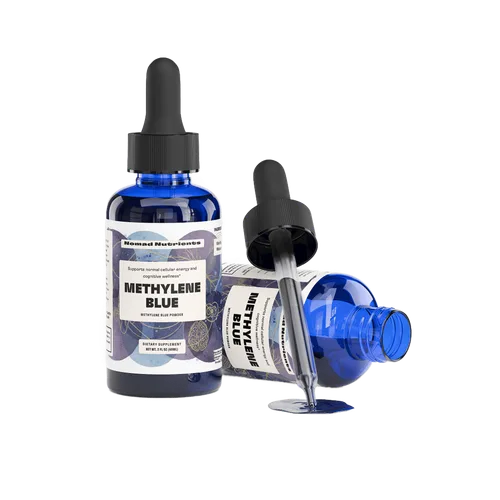
Methylene Blue
Why this matters
- № 01Supports mitochondrial electron transport chain efficiency*
- № 02Promotes cellular energy (ATP) production*
- № 03Supports cognitive function and memory*
- № 04Antioxidant properties at low doses*
Methylthioninium chloride
The first synthetic drug ever used in medicine (1891). At low doses, Methylene Blue acts as an electron carrier in mitochondria, supporting cellular energy production. It's being actively researched for cognitive and longevity benefits.

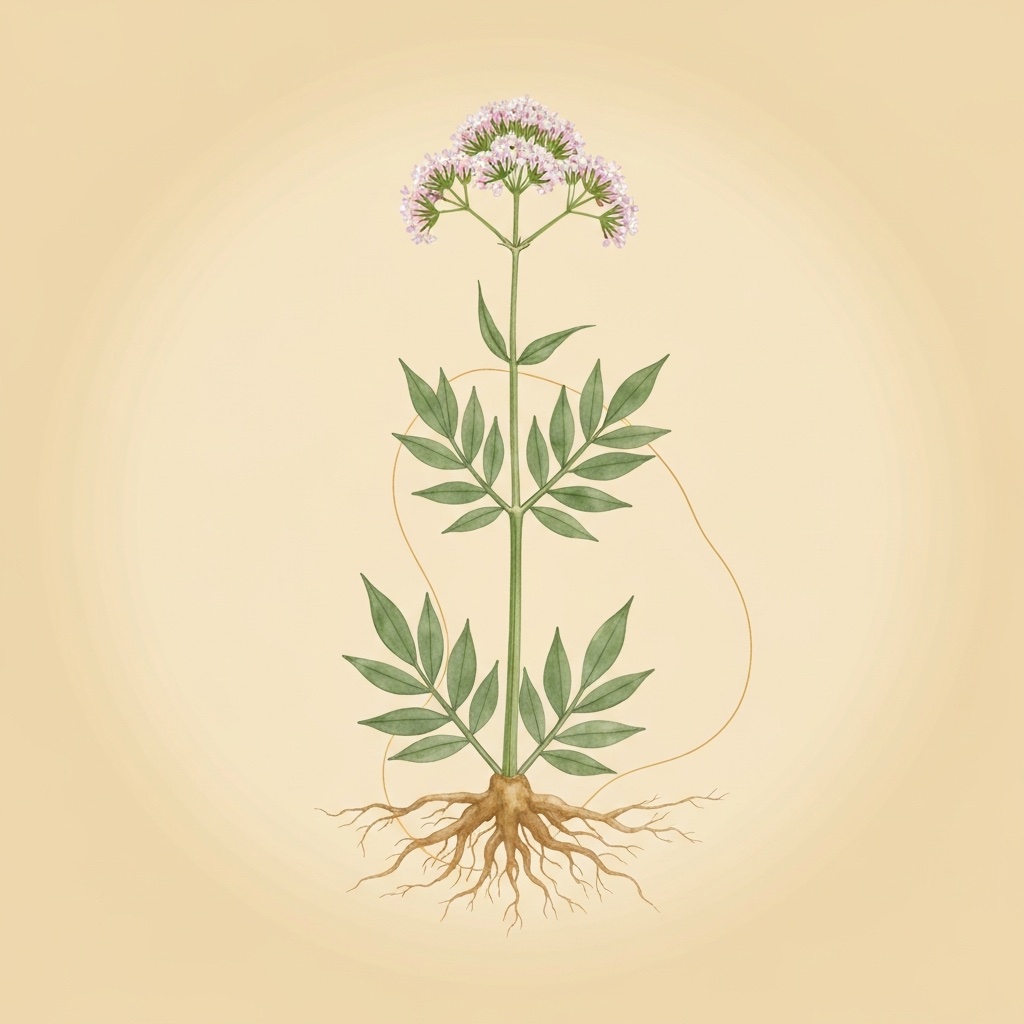
Methylthioninium chlorideBotanical illustration
§ 1The molecules
Why this matters
*These statements have not been evaluated by the FDA. This product is not intended to diagnose, treat, cure, or prevent any disease.
§ 2Receipts
“In a double-blind, placebo-controlled study, a single dose of methylene blue improved memory retrieval by 7% and increased brain activity during attention and memory tasks in healthy adults. As the first fully synthetic drug in medicine (1876), methylene blue has over a century of clinical use and supports mitochondrial function and cellular energy production.”Rodriguez et al., Radiology, 2016
Every compound in your stack — sourced, dosed, and cited. No proprietary blends. Browse the science behind the bottles.
We publish every dose, every source, every paper we leaned on. An informed customer is our only kind.
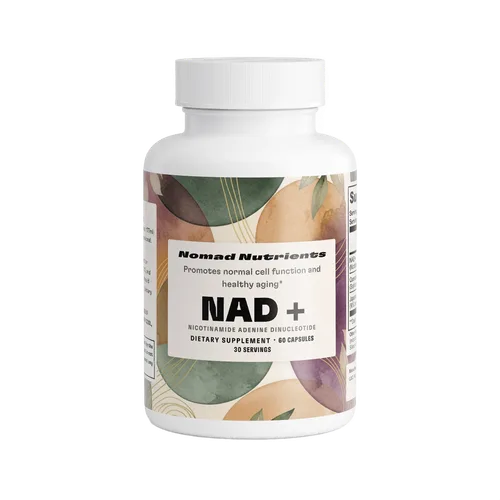
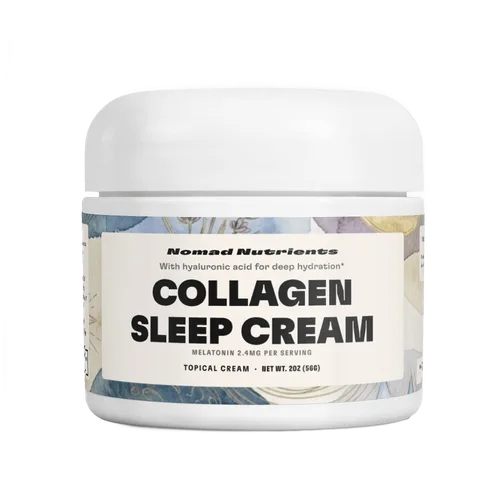
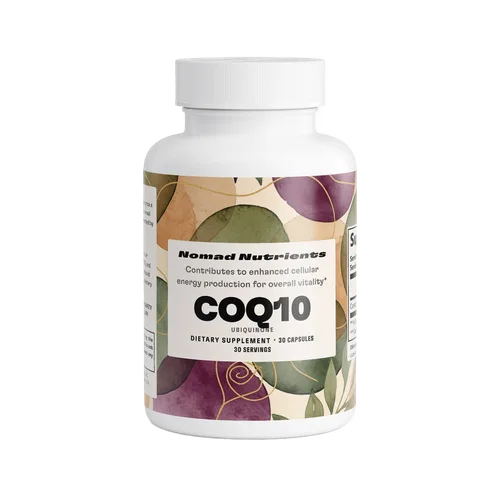
Browse the full libraryNAD+ decline, CoQ10 depletion, telomere shortening, mitochondrial Complex IV inefficiency, collagen loss, and phosphocreatine decline — six measurable markers of biological aging and the compounds that influence each one.
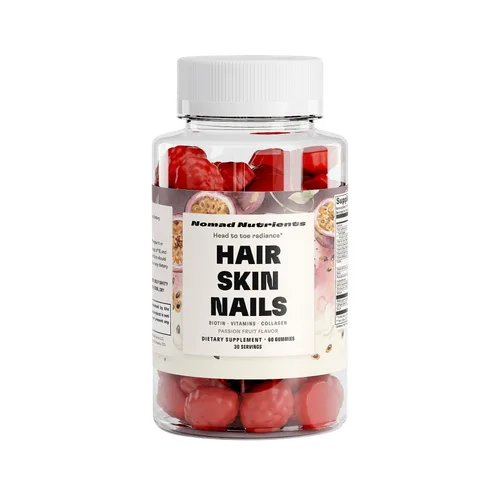

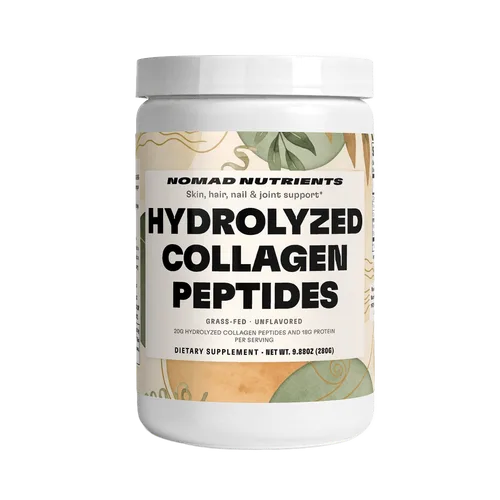
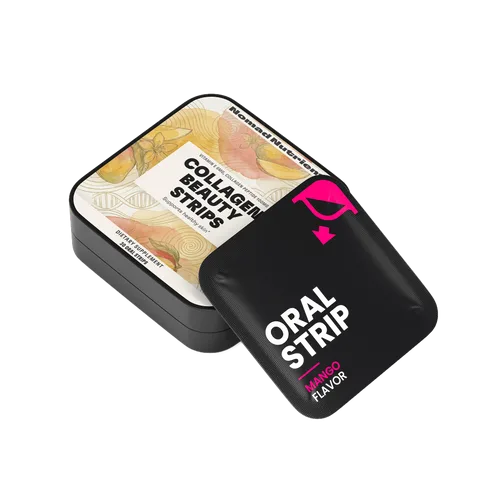
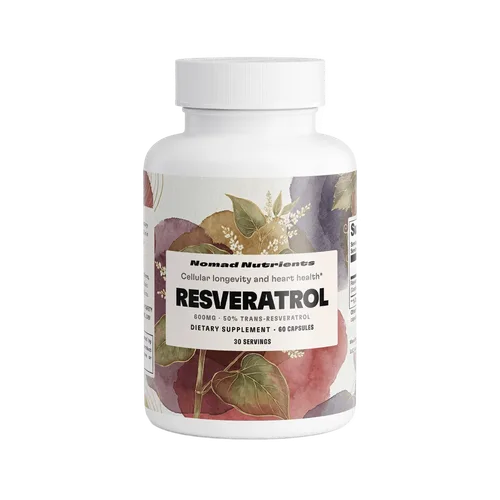

Methylene blue has been a WHO essential medicine since 1876. At low doses it functions as an alternative electron carrier in the mitochondrial ETC — here's the mechanism, the human evidence, and the safety profile that makes this an advanced-only compound.
— End of entry
Browse the products it’s in, or build a stack around the goal it serves best.