irish-mossbladderwracksea-mosstrace-mineralsmucilagefoundations

Sea Moss: 92 Minerals, Mucilage, and the Marine Superfood in Three Preset Stacks

Nomad Nutrients Editorialβ€’April 10, 2026

8 min read Β· Filed under: Foundations, Trace Minerals, Gut Health

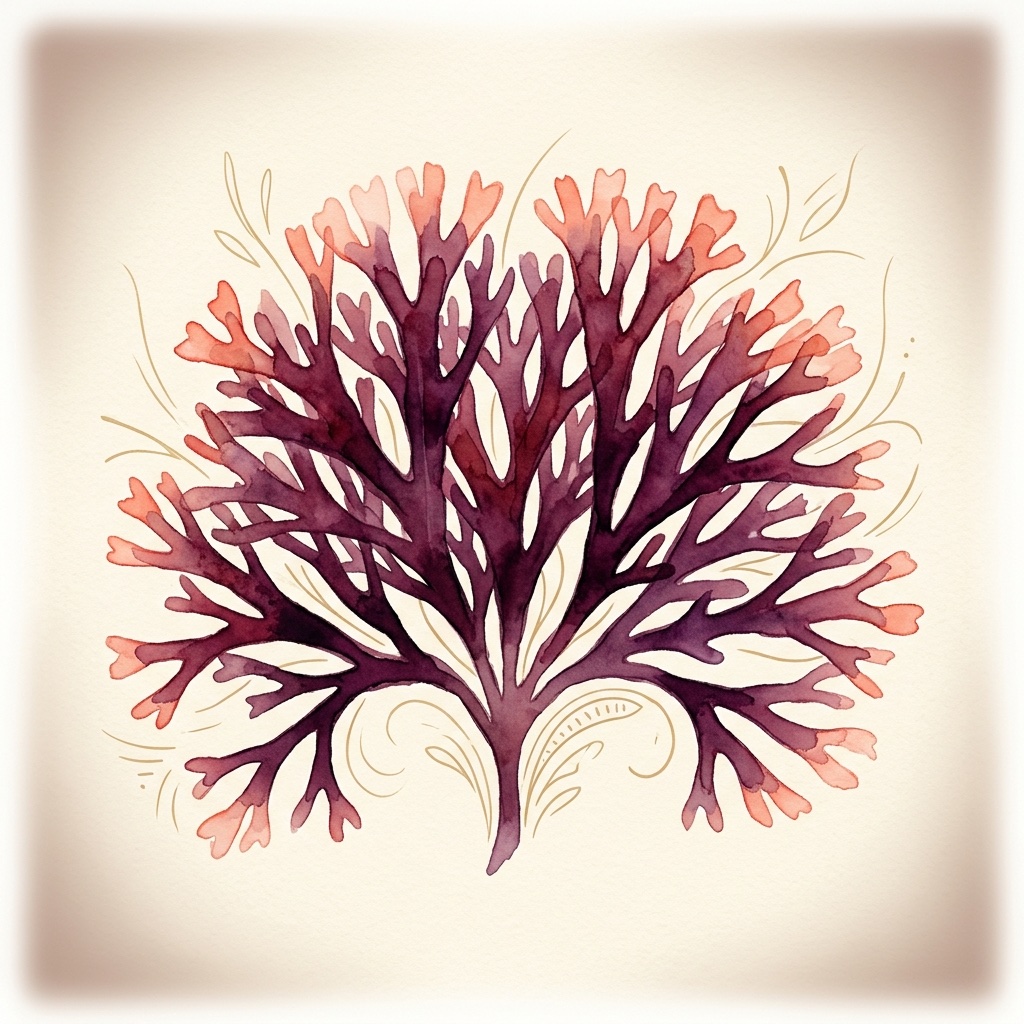
Sea moss β€” primarily Chondrus crispus (Irish moss) and the closely related Genus Gracilaria species sold under the same name β€” has gone from Caribbean folk remedy to wellness-influencer staple in roughly five years. The marketing focuses on the "92 minerals" claim, which is technically traceable to a mineral analysis showing that sea moss contains 92 of the 102 minerals found in the human body. The number is real but misleading without context: many of those minerals are present in trace or ultra-trace amounts that may or may not be biologically meaningful at typical serving sizes.

The more interesting story β€” and the one the marketing doesn't tell β€” is about why marine-sourced minerals matter in the first place, what the mucilaginous polysaccharide matrix does that individual mineral supplements don't, and how sea moss pairs with bladderwrack in a combination that's been used in traditional medicine for centuries for reasons the biochemistry is only now explaining.


The Agricultural Mineral Depletion Problem

To understand why sea moss matters, you need to understand why dietary mineral intake has declined systematically over the past century β€” even for people eating "healthy" diets rich in fruits and vegetables.

The issue is soil depletion. Modern industrial agriculture optimizes for yield β€” bushels per acre, calories per hectare. The fertilization protocols that drive high yields (NPK fertilization: nitrogen, phosphorus, potassium) replenish the three macronutrients that most directly affect plant growth rates, but they don't replenish the dozens of trace and ultra-trace minerals that are removed from the soil with each harvest cycle.

The data is striking. A landmark study comparing USDA nutrient composition data from 1950 to 1999 found statistically significant declines in calcium (βˆ’16%), iron (βˆ’15%), phosphorus (βˆ’9%), riboflavin (βˆ’38%), and vitamin C (βˆ’20%) across 43 garden crops. A similar UK analysis showed comparable declines in magnesium, copper, and zinc in vegetables over the same period. The trend has continued β€” and likely accelerated β€” since 1999.

This means the mineral content of food is not fixed. A head of broccoli in 2026 contains fewer minerals than a head of broccoli in 1950, grown on less-depleted soil. You can eat an "ideal" diet and still be running mineral deficits β€” not because you're choosing wrong, but because the food supply has quietly become less nutrient-dense at the soil level.

This is the context in which sea moss becomes relevant. The ocean's mineral composition is not subject to agricultural depletion. Seawater contains virtually every naturally occurring element on Earth in dissolved ionic form, and marine organisms like sea moss bioaccumulate these minerals from seawater throughout their growth cycle. A seaweed growing in mineral-rich ocean water isn't subject to the same depletion dynamics as a vegetable growing in repeatedly harvested soil.

The Ionic Form Advantage

Not all mineral forms are equivalent. Most mineral supplements use chelated or salt forms β€” magnesium citrate, zinc picolinate, calcium carbonate β€” where the mineral is bound to a carrier molecule. These are effective but require digestive processing: stomach acid dissociation, carrier molecule metabolism, and active transport across the intestinal epithelium.

Minerals in sea moss exist primarily in ionic or colloidal form β€” already dissolved in the cellular fluid of the organism, integrated into organic molecular matrices (bound to polysaccharides, proteins, and amino acids). This organic integration means the minerals are presented to the digestive system in a form that's closer to how they appear in whole foods β€” bioavailable without requiring the same processing steps as isolated mineral salts.

The distinction matters most for trace minerals β€” the elements needed in microgram quantities (selenium, iodine, manganese, chromium, molybdenum, etc.) where absorption efficiency is critical because the required amounts are so small. In ionic form, these trace minerals can be absorbed passively through paracellular pathways (between intestinal cells) and transcellular ion channels β€” they don't all require the active transport mechanisms that larger mineral doses depend on.

This is the real significance of the "92 minerals" claim: it's not that sea moss has more minerals than a multivitamin (a multivitamin can list the same minerals on its label). It's that the minerals are in a food-matrix form β€” integrated into an organic structure that presents them to the gut in a way that more closely resembles how humans evolved to absorb minerals: from whole foods, not from isolated compounds.

Seawater and Human Plasma: The RenΓ© Quinton Connection

In the early 1900s, French physiologist RenΓ© Quinton made an observation that has been alternately celebrated and dismissed ever since: the mineral composition of seawater bears a striking resemblance to human blood plasma. Not identical β€” plasma has evolved differences β€” but the relative proportions of sodium, potassium, calcium, magnesium, chloride, and dozens of trace elements are remarkably similar.

Quinton's hypothesis β€” that multicellular life originated in a marine environment and that our internal milieu retains the mineral signature of ancestral seawater β€” is supported by evolutionary biology. The extracellular fluid of all vertebrates is essentially a modified seawater composition. Our cells still operate in what is, biochemically, a diluted ocean.

The practical implication: marine-sourced minerals don't just provide individual elements β€” they provide a mineral profile that approximates the ratio our biochemistry expects. This is fundamentally different from the approach of supplementing individual minerals in isolation, which can create competitive absorption issues (zinc and copper compete for absorption; excess calcium interferes with magnesium absorption; high iron impairs zinc uptake).

Sea moss, as a marine organism that has concentrated and biologically processed these seawater minerals, provides a multi-mineral matrix in roughly the proportions that marine biochemistry established billions of years ago. This doesn't make it a magic food β€” but it does make it a more physiologically coherent mineral source than the standard approach of stacking individual mineral supplements and hoping the ratios work out.

Mucilaginous Polysaccharides: The Gel Matrix

Sea moss is rich in mucilaginous polysaccharides β€” primarily carrageenan (in Chondrus crispus) and related sulfated galactans. When hydrated, these polysaccharides form a viscous gel that gives sea moss its characteristic texture. This gel matrix is not just a structural curiosity β€” it has specific physiological effects that are distinct from its mineral content.

Prebiotic activity. The polysaccharide fraction of sea moss acts as a prebiotic substrate β€” it's not digested by human enzymes but is fermented by colonic bacteria, particularly Bifidobacterium and Lactobacillus species, producing short-chain fatty acids (SCFAs) including butyrate. Butyrate is the primary fuel for colonocytes (the cells lining the colon) and plays a critical role in maintaining intestinal barrier integrity and modulating colonic inflammation.

Mucous membrane support. The mucilaginous compounds in sea moss have a direct soothing effect on mucous membranes throughout the digestive tract. The gel forms a protective layer over the intestinal epithelium β€” a physical barrier that reduces contact between irritants (stomach acid, bile salts, inflammatory food compounds) and the mucosal surface. This is the mechanism behind sea moss's traditional use for gastritis, acid reflux, and general digestive irritation β€” it's a physical, mechanical protection rather than a pharmacological intervention.

Mineral delivery vehicle. The gel matrix isn't just carrying minerals passively β€” it's presenting them in a slow-release format. As the polysaccharide gel is gradually broken down by colonic bacteria, the minerals embedded in the matrix are released gradually along the length of the intestine, rather than being dumped in the stomach all at once. This extends the absorption window and increases the surface area of intestine exposed to the minerals β€” improving net absorption for elements that have absorption-site-specific transport mechanisms.

This is the distinction that the "92 minerals" marketing misses: sea moss isn't just a mineral supplement that happens to come from the ocean. It's a mineral-polysaccharide matrix that delivers minerals in a prebiotic gel that simultaneously feeds beneficial bacteria, protects the gut lining, and provides sustained-release mineral delivery. No capsule of mineral salts replicates this combination.

Bladderwrack: The Iodine-Rich Companion

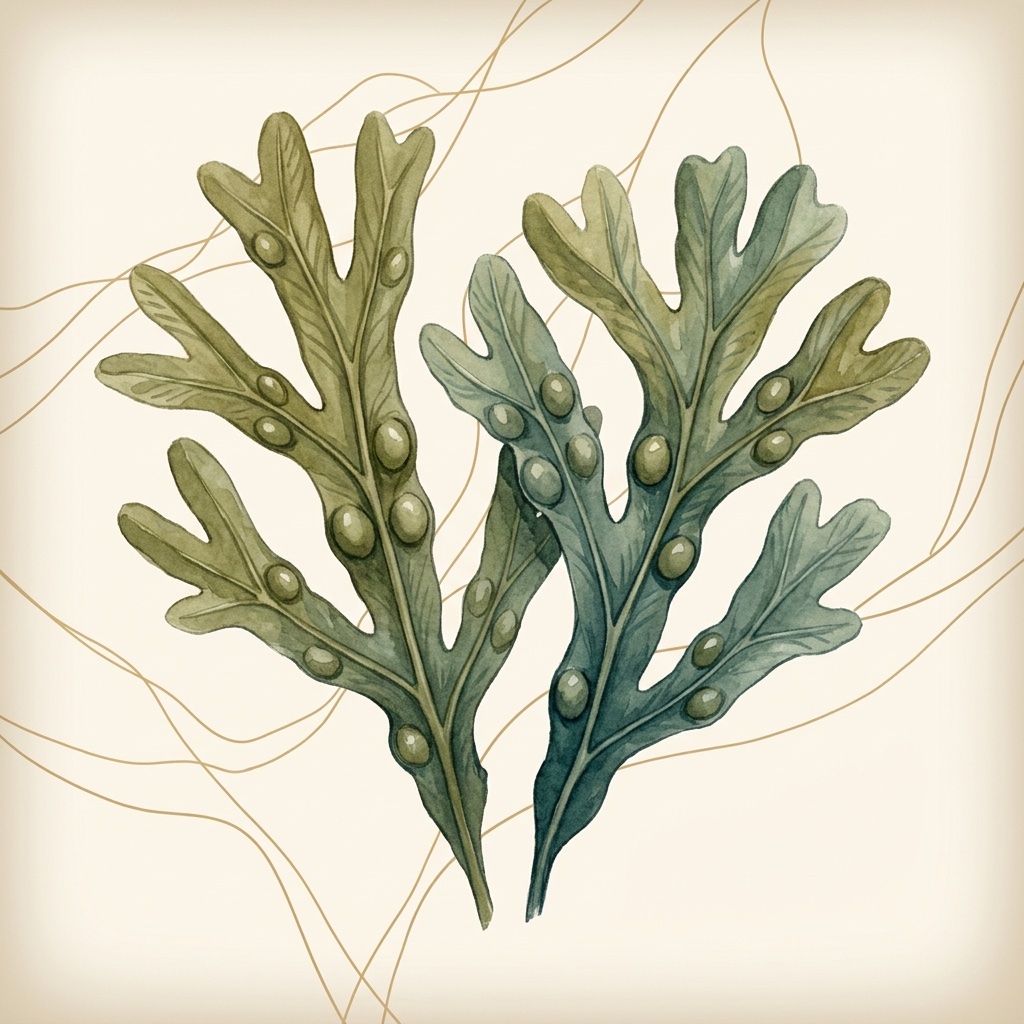
Bladderwrack (Fucus vesiculosus) is a brown seaweed that's been used alongside sea moss in Caribbean and Celtic traditional medicine for centuries. The pairing isn't arbitrary β€” the two organisms provide complementary nutrient profiles and bioactive compounds.

Bladderwrack's most significant contribution is iodine β€” it's one of the richest natural sources, containing 300–600 mcg per gram of dried material. Iodine is essential for thyroid hormone synthesis (T3 and T4), which regulates basal metabolic rate, thermoregulation, and cognitive development. Iodine deficiency remains one of the most common micronutrient deficiencies globally, even in developed nations β€” particularly among people who don't consume iodized salt or regular seafood.

Beyond iodine, bladderwrack contains:

Fucoidan β€” a sulfated polysaccharide with demonstrated anti-inflammatory, antiviral, and immunomodulatory properties. Fucoidan has been shown to inhibit selectin-mediated leukocyte adhesion (reducing inflammatory cell recruitment), modulate complement activation, and exhibit antiviral activity against several enveloped viruses. The fucoidan research is primarily preclinical, but the mechanism β€” blocking inflammatory cell trafficking β€” is pharmacologically well-characterized.

Fucoxanthin β€” a carotenoid pigment unique to brown seaweeds with antioxidant activity and emerging evidence for metabolic effects. Animal studies have shown fucoxanthin increases expression of uncoupling protein 1 (UCP1) in white adipose tissue, potentially increasing thermogenic energy expenditure. Human data is limited but the mechanism is biologically distinct from other carotenoids.

Alginic acid β€” another polysaccharide that forms a gel in the stomach, which has been used clinically as a physical anti-reflux barrier (the mechanism behind commercial alginate-based reflux medications like Gaviscon).

The sea moss + bladderwrack combination provides a broader spectrum than either alone: sea moss contributes the mineral matrix and mucilaginous polysaccharides; bladderwrack adds concentrated iodine, fucoidan, and fucoxanthin. Traditional preparations typically combined the two at roughly a 2:1 or 3:1 ratio (sea moss to bladderwrack), which provides iodine in meaningful but not excessive amounts.
Wildcrafted vs. Pool-Grown: A Quality Distinction That Matters

The sea moss market has split into two fundamentally different products that are sold under the same name, and the quality difference is significant.

Wildcrafted sea moss is harvested from natural ocean environments β€” rocky coastlines in Jamaica, St. Lucia, Ireland, and other regions where Chondrus crispus or Gracilaria species grow naturally. These organisms spend their entire growth cycle in mineral-rich, moving ocean water, accumulating the full spectrum of dissolved seawater minerals through natural bioaccumulation. Wildcrafted sea moss has a varied appearance (different colors, irregular shapes), a stronger ocean smell, and a mineral profile that reflects the specific waters it grew in.

Pool-grown (farmed) sea moss is cultivated in artificial pools or controlled ocean enclosures, often with faster growth cycles and less mineral-rich water. Pool-grown moss tends to be lighter in color, more uniform in appearance, softer in texture, and β€” critically β€” lower in mineral content. The controlled environment that makes farming efficient also reduces the mineral diversity the organism is exposed to during growth.

Independent mineral analyses comparing wildcrafted and pool-grown sea moss have shown meaningful differences in trace mineral content β€” particularly for elements like selenium, manganese, and chromium that are present in seawater at low concentrations and require extended growth in mineral-rich water to bioaccumulate to meaningful levels.

The distinction matters because the entire value proposition of sea moss β€” diverse marine minerals in an organic matrix β€” depends on the organism having grown in mineral-rich ocean water long enough to accumulate those minerals. A pool-grown sea moss that spent 6 weeks in mineral-poor water is a fundamentally different product from a wildcrafted specimen that spent months on a rocky Caribbean coastline.

For the consumer: look for sourcing transparency. Reputable suppliers specify the harvest region, whether the product is wildcrafted or farmed, and ideally provide third-party mineral analysis showing actual mineral content β€” not just the generic "92 minerals" claim.

Heavy Metal Considerations

The same bioaccumulation mechanism that makes sea moss mineral-rich also means it can accumulate heavy metals if harvested from contaminated waters. Lead, arsenic, cadmium, and mercury can all be concentrated in seaweed tissue from polluted ocean environments.

This is not a reason to avoid sea moss β€” it's a reason to insist on third-party heavy metal testing from the supplier. Quality products test for heavy metals per batch and publish certificates of analysis (COAs) showing levels below established safety thresholds. Harvest region matters: sea moss from pristine Caribbean or North Atlantic waters generally has lower contamination risk than material from heavily industrialized coastlines.

Iodine content also requires attention, particularly when combining sea moss with bladderwrack. The combined iodine intake can exceed the recommended upper limit (1,100 mcg/day for adults) if serving sizes aren't controlled. People with thyroid conditions β€” particularly Hashimoto's thyroiditis or Graves' disease β€” should consult their endocrinologist before adding iodine-rich seaweeds, as excess iodine can exacerbate autoimmune thyroid conditions.

Traditional Preparation and Modern Forms

Traditional Caribbean preparation involves soaking dried sea moss in lime water (to remove the ocean taste and residual sand), then blending it with water to create a gel that's refrigerated and added to drinks, soups, and porridges. This gel form preserves the mucilaginous polysaccharide structure intact β€” the gel you see in the jar is the functional polysaccharide matrix doing exactly what it does in the gut.

Modern supplement forms include capsules (dried, powdered sea moss), tinctures, and pre-made gels. The gel form most closely replicates the traditional preparation and preserves the mucilaginous polysaccharide matrix. Capsule forms are more convenient but sacrifice the gel-matrix delivery mechanism β€” the minerals are still present, but the slow-release, gut-coating polysaccharide effect is reduced when the material is dried and powdered.

For maximum benefit: the traditional gel preparation, taken on an empty stomach, provides both the mineral matrix and the full mucilaginous polysaccharide effect. For convenience without completely sacrificing the gel mechanism, look for capsule products that use minimal processing and preserve the polysaccharide content.

The Honest Frame

Sea moss is not a cure-all, and the "92 minerals" marketing oversimplifies what makes it interesting. What it actually is: a marine-sourced mineral matrix in a mucilaginous polysaccharide gel that provides trace minerals in ionic form, prebiotic substrate for beneficial bacteria, and physical protection for the gut lining β€” all in a single whole-food source.

The agricultural depletion problem is real and getting worse. The ionic-form bioavailability advantage is pharmacologically sound. The mucilaginous polysaccharide matrix provides functional benefits that no mineral capsule replicates. And the combination with bladderwrack adds iodine and fucoidan in a ratio that traditional medicine figured out centuries before we had the biochemistry to explain why it works.

Whether sea moss is worth adding to your protocol depends on whether you're addressing a trace mineral gap β€” and given the soil depletion data, that's a larger percentage of the population than most people assume.


References

  1. Davis DR, et al. "Changes in USDA food composition data for 43 garden crops, 1950 to 1999." Journal of the American College of Nutrition, 2004.
  2. Mayer AM. "Historical changes in the mineral content of fruits and vegetables." British Food Journal, 1997.
  3. Quinton R. "L'eau de mer, milieu organique." Masson et Cie, 1912.
  4. Liu J, et al. "Carrageenan as a prebiotic: effects on intestinal microbiota and short-chain fatty acid production." Food Hydrocolloids, 2015.
  5. Cumashi A, et al. "A comparative study of the anti-inflammatory, anticoagulant, antiangiogenic, and antiadhesive activities of nine different fucoidans from brown seaweeds." Glycobiology, 2007.
  6. Maeda H, et al. "Fucoxanthin from edible seaweed, Undaria pinnatifida, shows antiobesity effect through UCP1 expression in white adipose tissues." Biochemical and Biophysical Research Communications, 2005.
  7. Cherry P, et al. "Risks and benefits of consuming edible seaweeds." Nutrition Reviews, 2019.
  8. Pereira L. "A review of the nutrient composition of selected edible seaweeds." Seaweed: Ecology, Nutrient Composition and Medicinal Uses, 2011.

Comments

Leave a Comment

Founder’s Story

Tanner, Chief Mushroom Officer

"Hi, I'm Tanner, Chief Mushroom Officer at Nomad Nutrients. I built this for people like meβ€”optimizers who want a flexible, all-in-one supplement stack without the hassle. Build yours, dial it in, and keep exploring."

β€” Tanner

Chief Mushroom Officer