4 Things Happening to Your Skin After 30 That Topicals Can't Fix
The collagen cliff, glycation, gut-skin axis disruption, structural protein loss — these happen below the surface. Serums can't reach them. Here's what actually can.


The skincare industry is built on surface-level intervention. Retinols, peptide serums, vitamin C — applied topically, these compounds work at the epidermis and upper dermis. They're not without benefit. But four of the most significant age-related changes to skin happen in the deeper dermal layers, in the gut, and in systemic biochemical processes that no topical can reach.
Understanding where the actual damage is happening makes it clear why internal supplementation isn't a wellness trend — it's one of the most direct delivery mechanisms that can address these four problems at their source.
Collagen Production Drops 1% Per Year After 25
Collagen is the structural protein that gives skin its firmness, elasticity, and ability to bounce back. Starting in the mid-20s, fibroblast activity — the cells responsible for synthesizing collagen — declines at roughly 1% per year. By 35, you've lost approximately 10% of your baseline collagen production capacity. By 45, 20%. The math is unforgiving, and it's why the skin changes between 25 and 45 are more dramatic than between 15 and 25.
Topical collagen products don't solve this problem. Collagen molecules are too large to penetrate the epidermis — they sit on the surface as moisturizers, which has value, but they don't replace what's declining at the fibroblast level in the dermis below.
Hydrolyzed collagen peptides — collagen broken into short-chain amino acid sequences — are small enough to be absorbed in the gut and transported to dermal tissue via the bloodstream. Double-blind placebo-controlled trials at 12 weeks consistently show measurable increases in skin collagen density and elasticity with daily oral supplementation. The mechanism is twofold: the peptides provide raw material for fibroblast collagen synthesis, and specific hydroxyproline-containing sequences act as signaling molecules that upregulate fibroblast activity directly. Sublingual strip delivery provides faster absorption and consistent dosing without the chalky texture of powder formats.
Glycation Cross-Links Are Making Skin Stiff
Glycation is the non-enzymatic reaction between glucose and proteins — specifically, the bonding of sugar molecules to collagen and elastin fibers, forming advanced glycation end-products (AGEs). AGEs cross-link collagen fibers together, making them stiff and brittle rather than flexible and resilient. They also make collagen more resistant to the normal turnover process, meaning glycated collagen accumulates over time rather than being replaced.
The visible result: skin that's lost its snap. Lines that don't smooth when facial expression relaxes. A leathery quality to skin texture that develops gradually and accelerates with high-sugar dietary patterns. Glycation is UV-accelerated, stress-accelerated, and diet-dependent — but it happens in everyone with age regardless of lifestyle.
Resveratrol activates SIRT1 — a sirtuin protein that directly opposes AGE formation by inhibiting the oxidative stress pathways that accelerate glycation and by supporting the cellular repair mechanisms that clear glycated proteins. It also activates Nrf2, the master transcription factor for antioxidant enzyme expression, which reduces the oxidative environment in which glycation occurs. A complex formulation with bioavailability-enhancing compounds (resveratrol's own absorption is limited without them) delivers the systemic anti-glycation effect that topical antioxidants can only partially address from the surface.
Don't shop alone. Build with Myco.
Tell Myco your goals. He'll pull the three compounds that fit your life and time-zone — locked-in founding pricing.
Your Gut Is Showing on Your Face
The gut-skin axis is a bidirectional communication pathway between gut microbiome health and skin condition. When gut barrier integrity is compromised — through stress, processed food, antibiotic use, or mineral depletion — bacterial products and inflammatory compounds enter systemic circulation and drive cutaneous inflammation. The skin manifestations are varied: increased reactivity, persistent redness, accelerated dullness, and in some people, acne patterns that don't respond to topical treatment because the source is internal.
Trace mineral deficiency — particularly zinc and selenium — is a significant driver of gut barrier compromise. Zinc is required for tight junction protein synthesis; selenium is essential for glutathione peroxidase activity that protects gut epithelial cells from oxidative damage. Both are commonly deficient in modern diets.
Wildcrafted sea moss delivers zinc, selenium, silica, and dozens of other trace minerals in ionic form with high bioavailability. Silica specifically supports connective tissue integrity in the gut lining and dermis simultaneously. The broad mineral profile addresses the multi-mineral nature of gut barrier support rather than targeting one mineral in isolation — which is appropriate given that gut barrier function depends on multiple interdependent cofactors. Fixing the gut-skin axis from the mineral-deficiency angle is one of the interventions most commonly overlooked in skin-focused supplementation.
Hair and Nails Are the First to Lose Nutrients
The body prioritizes nutrient distribution. When resources are limited, hair and nails — non-essential structures with high protein and mineral requirements — are deprioritized in favor of vital organs and tissue. The result: hair that thins, loses luster, or grows more slowly; nails that become brittle, ridged, or peel. These changes often precede the skin changes that get more attention, and they reflect the same underlying deficit.
Keratin — the structural protein that makes up both hair and nail — requires specific amino acids (particularly cysteine), sulfur compounds, and biotin for synthesis. When any of these inputs are limited, structural quality deteriorates visibly.
A hair, skin, and nails formulation combining biotin, hydrolyzed keratin, MSM (methylsulfonylmethane as an organic sulfur donor), and supporting vitamins addresses the structural protein synthesis chain from multiple angles. Biotin supports keratin infrastructure at the gene expression level. Hydrolyzed keratin provides the pre-formed amino acid sequences that cells use directly. MSM provides the sulfur required for the disulfide bonds that give keratin its strength. The combination effect is more meaningful than any single ingredient in isolation — because keratin synthesis depends on all of these inputs simultaneously.
The four mechanisms above share a common thread: they happen below the level that topical products can reach. That doesn't make topical skincare useless — it makes it incomplete. Addressing the deeper processes through targeted supplementation while maintaining a topical routine is how the two approaches compound rather than substitute for each other.
Start with the mechanism that most clearly matches your skin's current pattern. The beauty stack covers all four pathways daily for those who want to address them systematically.
Key Ingredients

Collagen Peptide
Hydrolyzed Collagen

Vitamin E
DL-alpha-Tocopherol

Japanese Knotweed
Polygonum cuspidatum
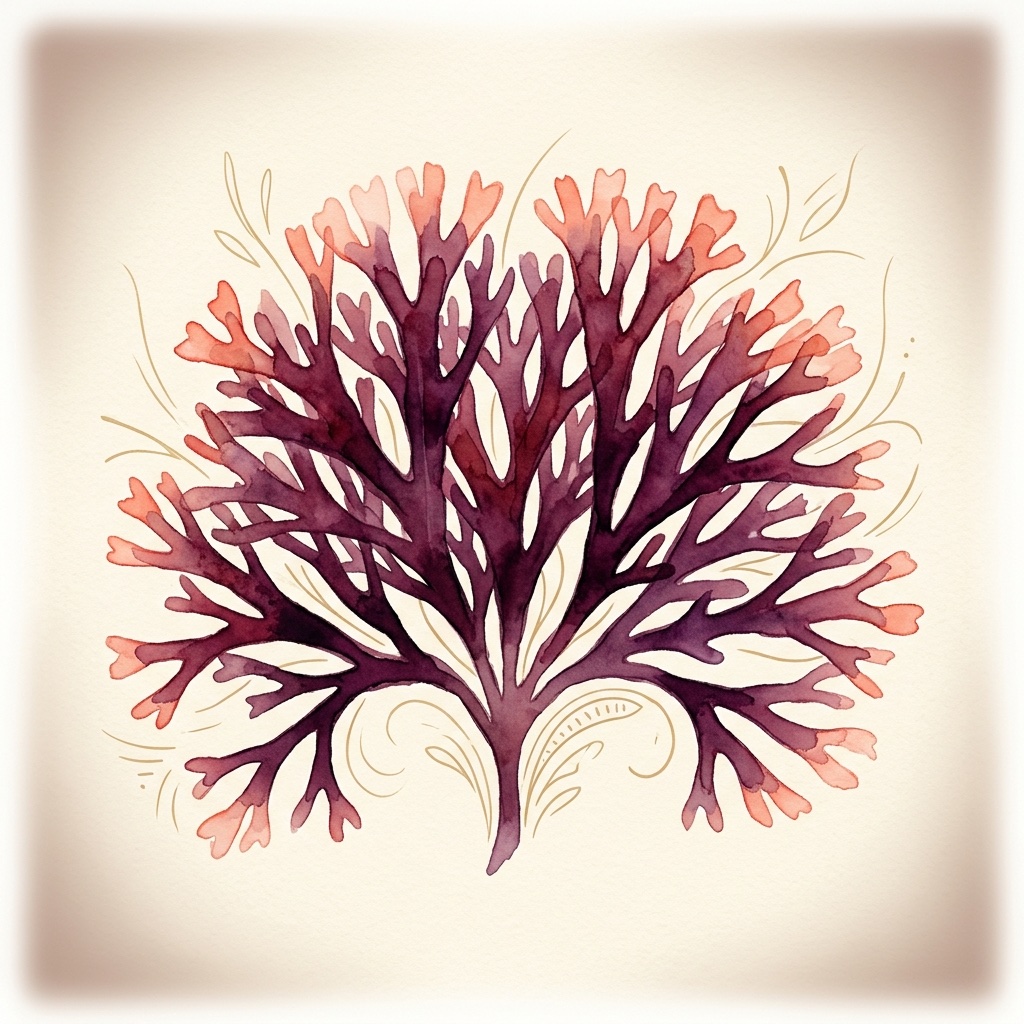
Irish Moss
Chondrus crispus
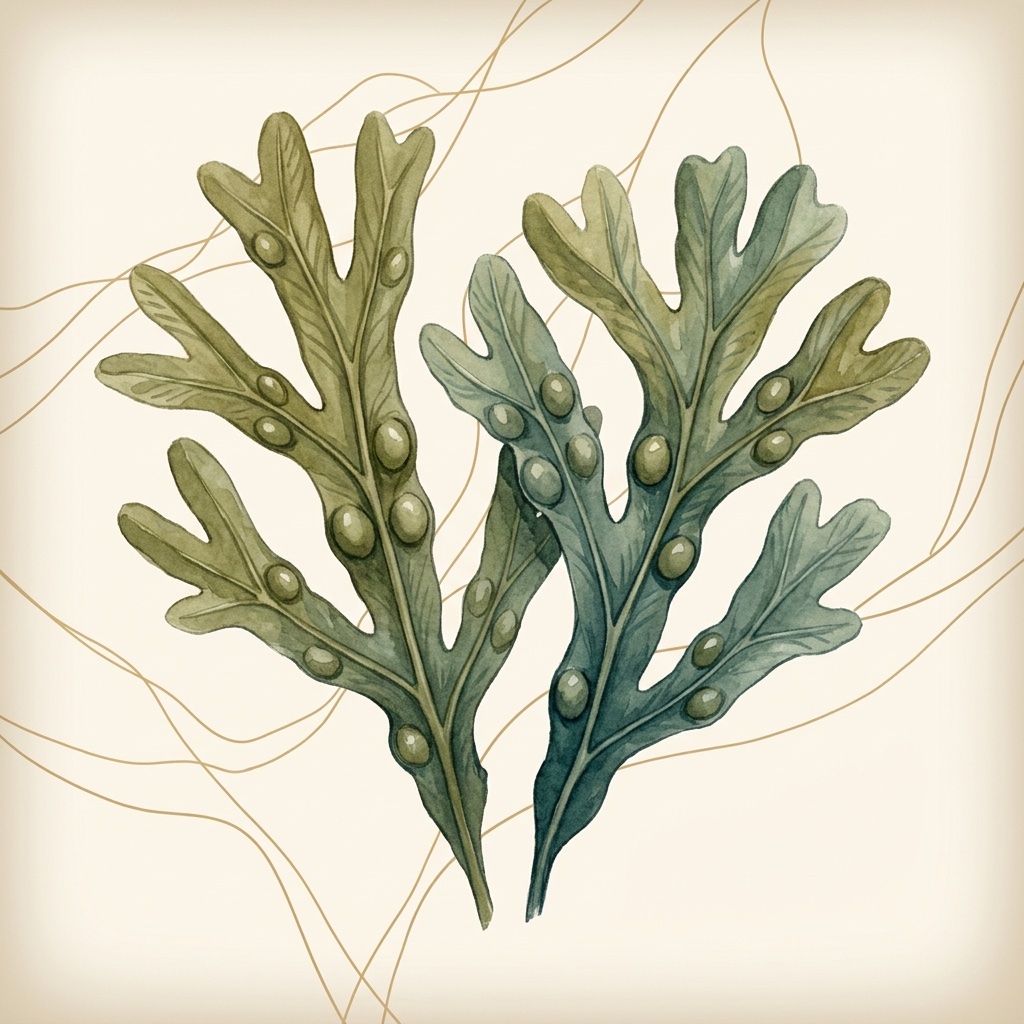
Bladderwrack
Fucus vesiculosus

Burdock Root
Arctium lappa

Vitamin C
Ascorbic Acid

Zinc
Zinc Oxide

Biotin
Vitamin B7
Three products. One protocol.
Pick 3. Save 25%. Free shipping over $35. Myco cycles compounds monthly so your body never plateaus — and you never run out.
Code FIRST20 applied at checkout — extra $20 off your first stack
I built Nomad Nutrients because the supplement aisle is broken. Timing, dosing, and stack design matter more than the latest hero ingredient. We get the boring stuff right so you don't have to.
Build a stack from this article
$60.54$80.70
Comments
Leave a Comment
Keep reading.

4 Things Heating Season Does to Your Skin (And the Fix for Each)
Turning the heat on dries the air indoors. Your skin feels it within a week. Here's what changes, and the fix for each layer, from the surface down to the dermis.



5 Skincare Actives That Work Better From the Inside Out
Retinol, hyaluronic acid, peptide serums — topical actives do real work. But the mechanisms they try to trigger internally are more efficiently reached from below the epidermis. Here's where the layering actually matters.


Why Your Collagen Routine Still Isn't Working
Collagen rebuilds skin's protein matrix. It doesn't touch hair or nails, and it doesn't work without the minerals that hold it together. Here's the 3-layer system that actually covers all three.


A Science-Backed Skincare Routine (Inside and Out)
Most skincare routines stop at the epidermis — the outermost 0.1mm of your skin. They ignore the dermis beneath it, where collagen, elastin, and hyaluronic acid are actually synthesized. No topical product reaches the dermis in meaningful concentrations. This layer responds to systemic inputs. A complete routine works both sides: topical actives on the surface, systemic compounds from within.



The Supplement Guide for Hair Loss That's Actually Honest
Hair loss content falls into two categories: 'this miracle supplement regrows everything' and 'nothing works, see a dermatologist.' The truth is between them. Some supplements have evidence for specific types of hair loss — nutritional deficiency and stress-induced shedding respond well. Pattern hair loss requires medical intervention. None of them are miracle cures. Here's the honest version, with the type-specific framework that determines whether supplementation is the right tool.



6 Biomarkers of Aging You Can Actually Influence
NAD+ decline, CoQ10 depletion, telomere shortening, mitochondrial Complex IV inefficiency, collagen loss, and phosphocreatine decline — six measurable markers of biological aging and the compounds that influence each one.


Shop the products.
Collagen Boost Strips
Stack price · Save 25%
Resveratrol
Stack price · Save 25%
Sea Moss Blend
Stack price · Save 25%
Hair Skin Nails (Passion Fruit Gummies)
Stack price · Save 25%
Four products. Earned their place in every stack.
Our most-picked products — broad pathway coverage, strong evidence, real doses.

Mushroom 10X
Ten species in one capsule — the whole-spectrum support for immunity, focus, and energy.

Alpha Energy
Testosterone. Energy. Drive. — Zinc, magnesium, and Tongkat Ali for natural vitality and peak performance.
Creatine Monohydrate Powder
The most-studied compound on earth. 5g pure — for stronger muscle and sharper thinking.
Ashwagandha
Cortisol control, calm focus, and deep recovery — the adaptogen that earns its place in every stack.
Founder’s Story
"Hi, I'm Tanner. I built Nomad for optimizers who want a real system — not just a subscription. You choose the direction, we handle the navigation. Pick your path and we'll keep you dialed in."
— Tanner
Chief Mushroom Officer