From the Lab[maca·root][black·maca·root][red·maca·root]

Maca Root: Four Colors, Four Profiles, and Why Ecotype Matters More Than Dose

Tanner Gaucher
Nomad Editorial TeamReviewed by Tanner & Myco
June 22, 2026
Abstract

Maca root is not one supplement — it's four, differentiated by ecotype (color) with distinct bioactive profiles and clinical applications. Black maca targets spermatogenesis and cognitive endurance. Red maca supports prostate health and bone density. Yellow maca is the adaptogenic generalist. The mechanism isn't hormonal — it's hypothalamic. And gelatinized vs. raw isn't a preference — it's a bioavailability decision.

Maca Root: Four Colors, Four Profiles, and Why Ecotype Matters More Than Dose
FIG.01

Maca Plus contain 1500mg Macamides + Macaenes

8 min read · Filed under: Endocrine, Energy, Adaptogens

Walk into any supplement store and you'll find "maca root" — singular, generic, undifferentiated. This is like selling "wine" without specifying grape varietal, region, or vintage. Maca (Lepidium meyenii) is a cruciferous root vegetable grown exclusively at high altitude in the Peruvian Andes — above 4,000 meters, in conditions that would kill most cultivated plants. It has been used as food and medicine in the Andes for at least 2,000 years.

But the critical detail that most supplement labels omit is that maca exists in multiple ecotypes — distinguished by the color of the root hypocotyl — and these ecotypes have meaningfully different bioactive profiles, different clinical applications, and different evidence bases. Treating maca as a single compound is a category error that leads to mismatched expectations and suboptimal results.


§ 01

Not Hormonal: The HPG Axis Mechanism

The most common misconception about maca is that it works by directly altering hormone levels. It doesn't. Maca does not contain phytoestrogens, phytoandrogens, or any compound that directly mimics or provides steroid hormones. Clinical studies consistently show that maca supplementation does not significantly change serum levels of testosterone, estradiol, LH, FSH, or SHBG.

So how does a compound that doesn't change hormone levels consistently improve outcomes that are hormone-dependent — libido, fertility, menopausal symptoms, energy?

The answer lies in the hypothalamic-pituitary-gonadal (HPG) axis, and specifically in how the hypothalamus regulates the sensitivity and efficiency of hormonal signaling. Maca's bioactive compounds — macamides, macaenes, and glucosinolate derivatives — appear to modulate hypothalamic function in ways that improve the system's responsiveness to existing hormone levels rather than changing the levels themselves.

Think of it as recalibrating a thermostat rather than adding more fuel. The hormones are already there; maca helps the regulatory system use them more effectively. This mechanism is consistent with the clinical observation that maca improves hormone-dependent outcomes without causing the side effects associated with exogenous hormone administration or aromatase inhibition.

The macamides — a class of non-polar long-chain fatty acid amides unique to maca — are believed to be the primary mediators of this effect. They interact with the endocannabinoid system (specifically as fatty acid amide hydrolase inhibitors, increasing endocannabinoid tone) and may modulate hypothalamic neuropeptide signaling. This is an active area of research, and the full mechanism hasn't been mapped. But the clinical data is consistent enough — and the hormonal non-effect is consistent enough — to establish that maca operates through regulatory modulation, not hormonal supplementation.

§ 02

Four Ecotypes, Four Profiles

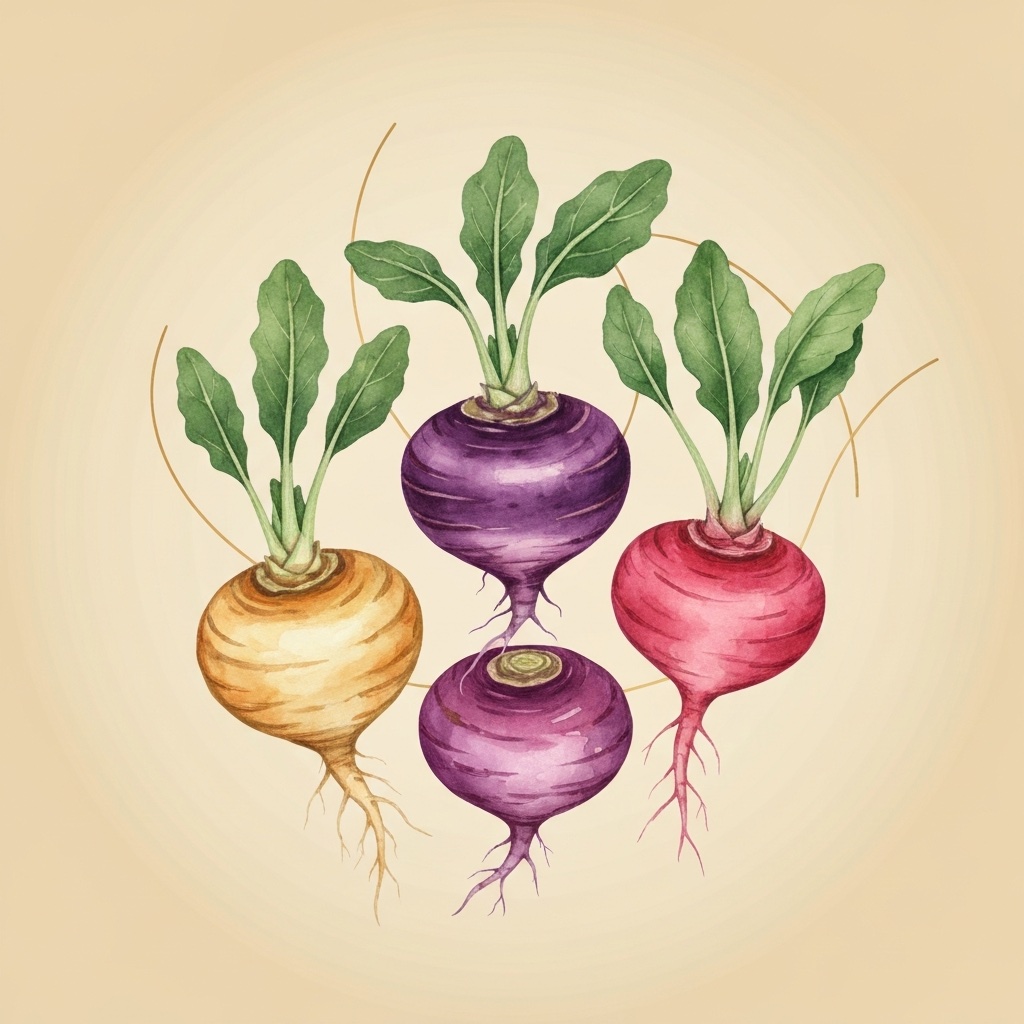
Maca ecotypes are classified by the external color of the root hypocotyl: yellow (cream), red (purple-red), black (dark grey-purple), and — less commonly studied — white. Each ecotype contains different ratios of macamides, macaenes, glucosinolates, and other bioactive compounds, which translates to different clinical applications.

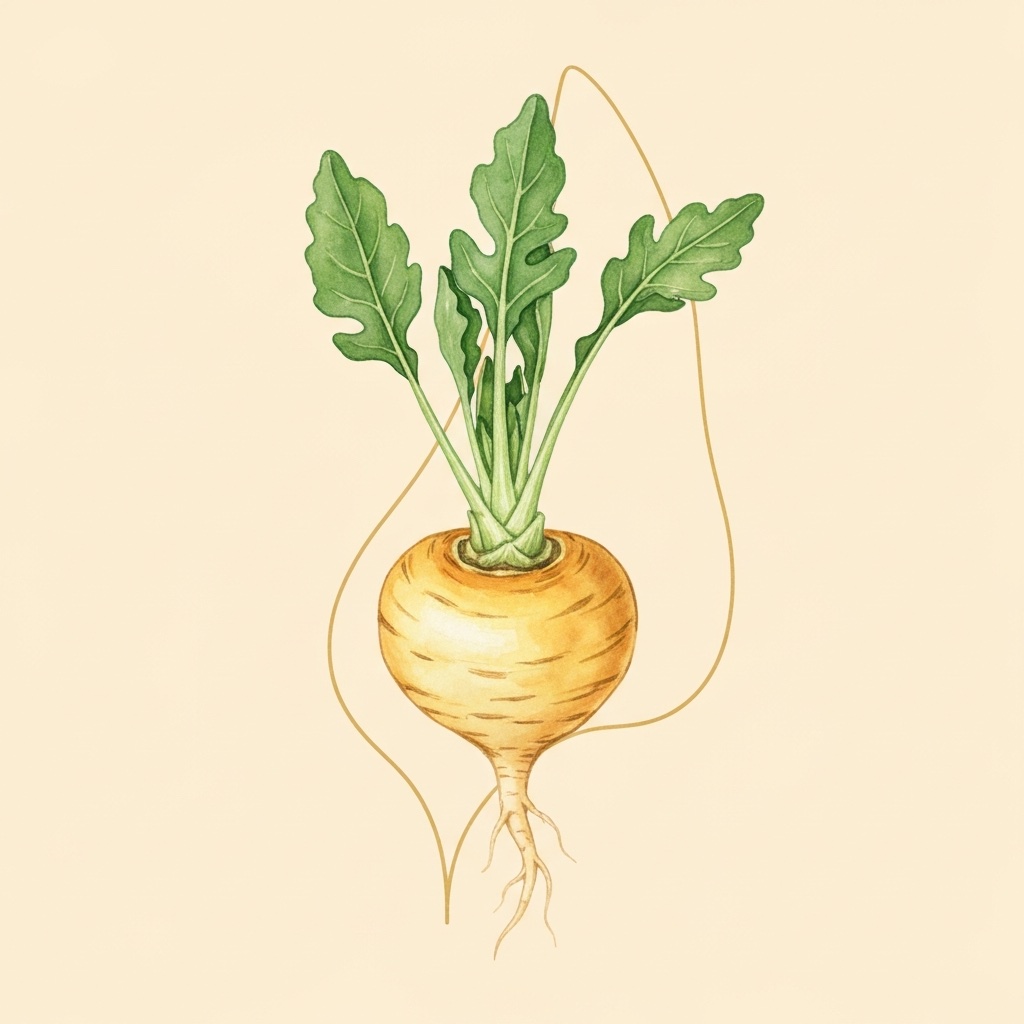
Yellow maca is the most abundant ecotype, representing roughly 60% of the Peruvian harvest. It's the adaptogenic generalist — the ecotype used in most clinical trials studying maca's effects on energy, mood, and general well-being. Yellow maca has the broadest and least specific bioactive profile, making it the default choice for general adaptogenic support. It shows consistent effects on self-reported energy, mood, and quality of life scores in both men and women, with particularly strong evidence in peri- and post-menopausal women for reducing hot flash frequency and improving psychological symptoms.

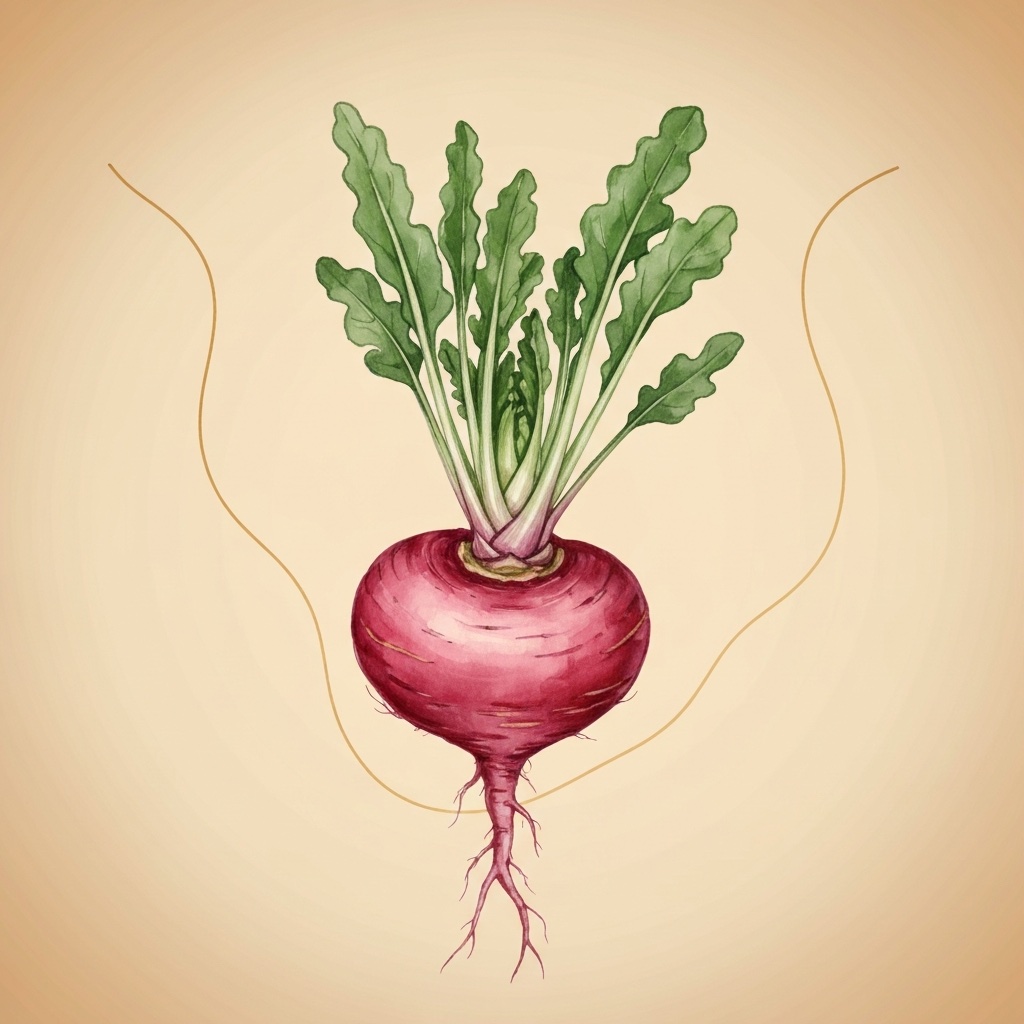
Red maca has the highest glucosinolate content of the ecotypes and demonstrates the strongest evidence for prostate health and bone density. In animal models, red maca reduced prostate size in testosterone-induced benign prostatic hyperplasia — an effect not seen with other ecotypes. Red maca also showed the greatest bone-protective effects in ovariectomized animal models (simulating post-menopausal bone loss), increasing bone density and biomechanical strength parameters. Red maca is also the ecotype with the most evidence for antioxidant activity, likely related to its higher anthocyanin content.

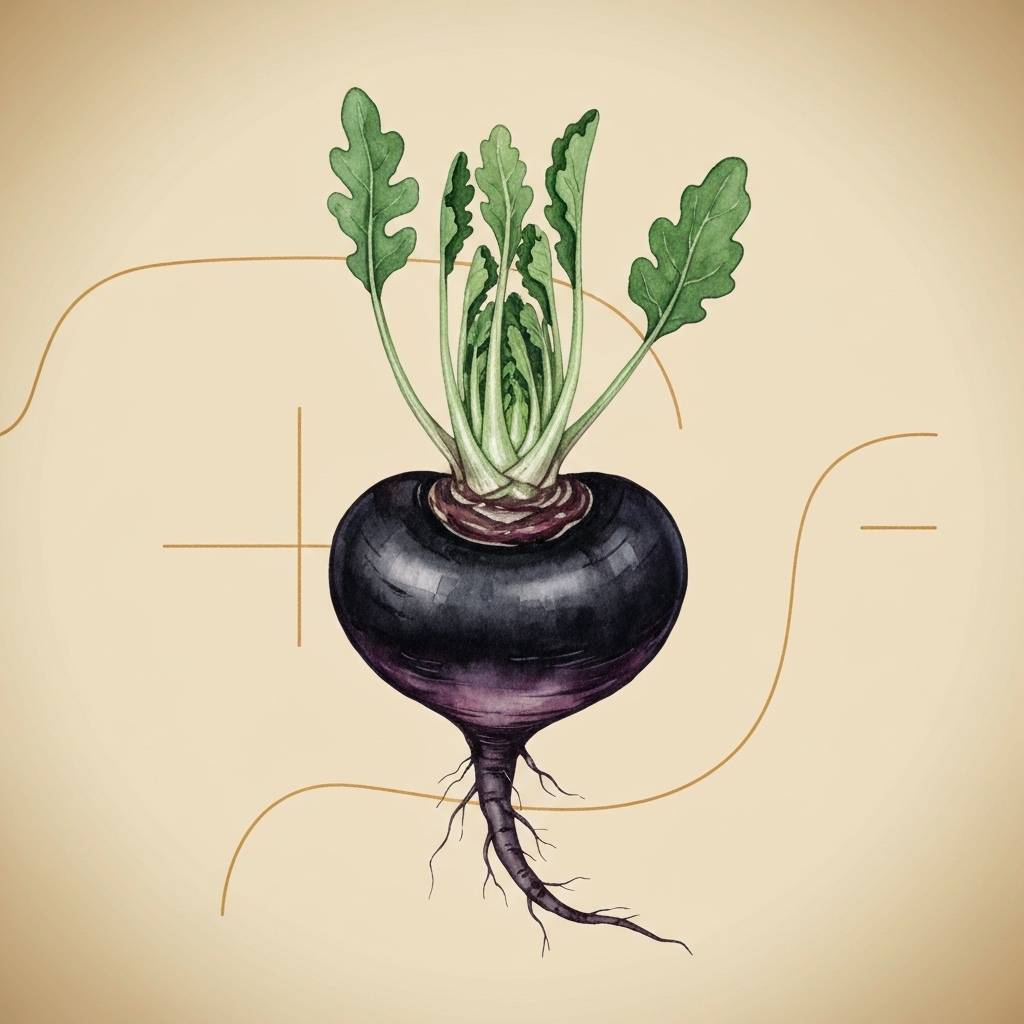
Black maca is the rarest ecotype (roughly 10-15% of harvest) and the most studied for male reproductive health and cognitive function. Black maca has demonstrated superior effects on spermatogenesis — increasing sperm count, motility, and overall seminal quality in both animal and human studies. It also shows the strongest cognitive effects of the ecotypes: animal studies show improved learning and memory, with a proposed mechanism involving enhanced hippocampal BDNF expression and acetylcholinesterase modulation. Black maca is the ecotype of choice for male fertility support and cognitive endurance applications.

Important: These ecotype differences are not subtle variations — they are pharmacologically meaningful distinctions that should inform product selection. A supplement labeled simply "maca root" without specifying ecotype is almost certainly yellow maca (the cheapest and most abundant), which may or may not be the right choice for the user's specific goals.

§ 03

Gelatinized vs. Raw: A Bioavailability Decision

Traditional Andean preparation of maca always involves cooking — boiling, roasting, or fermenting the root before consumption. This isn't arbitrary culinary preference. Raw maca contains high concentrations of glucosinolates and their hydrolysis products (isothiocyanates), which can cause GI irritation in raw form. It also contains starch granules that are resistant to enzymatic digestion without heat processing.

Gelatinization is an industrial process that uses heat and pressure to break down starch granules, denature anti-nutritional proteins, and concentrate bioactive compounds. Gelatinized maca has:

Higher bioactive concentration. The removal of starch and fiber (which constitute roughly 60% of raw maca by weight) effectively concentrates the macamides, macaenes, and other bioactives on a per-gram basis. Gram for gram, gelatinized maca delivers more of the compounds that produce the clinical effects.

Better digestibility. The gelatinization process eliminates the GI irritation associated with raw maca consumption. This is particularly relevant at the higher doses (1,500-3,000mg) used in clinical trials — raw maca at these doses frequently causes bloating, gas, and stomach discomfort that limit compliance.

Reduced goitrogenic potential. Raw cruciferous vegetables contain goitrogens — compounds that can interfere with thyroid iodine uptake. While the clinical significance of maca's goitrogenic potential is debated (and likely minimal at standard supplement doses), gelatinization reduces glucosinolate content and eliminates most goitrogenic concern.

The practical takeaway is straightforward: if you're taking maca as an extracted supplement (not eating it as a whole food), gelatinized is the superior form. It delivers more bioactives per gram, causes fewer side effects, and aligns with the traditional preparation methods that thousands of years of Andean use were built on.

§ 04

Altitude Adaptation: The Evolutionary Context

Maca is one of the few food crops that thrives above 4,000 meters — an altitude where UV radiation is intense, oxygen partial pressure is reduced, temperature swings between freezing and hot within a single day, and soil is rocky and mineral-poor. The bioactive compounds in maca — particularly the glucosinolates and macamides — are widely understood to be the plant's adaptive response to these extreme stresses.

This evolutionary context matters because it places maca in the same category as other high-altitude and extreme-environment adaptogens (rhodiola from Siberian/Arctic tundra, cordyceps from Tibetan plateau, shilajit from Himalayan altitude). These plants produce pharmacologically active stress-response compounds precisely because they evolved under conditions that required sophisticated chemical stress defense systems. The bioactive profile isn't incidental — it's the product of millions of years of selection pressure at altitude.

This also explains why maca sourced from its native high-altitude growing region (Junin plateau, Peru, 4,000-4,500m) consistently shows higher bioactive content than maca grown at lower altitudes or in other geographic regions. The stress compounds are altitude-dependent — reduce the environmental stress, and the plant produces fewer of the compounds that make it medicinally interesting. Origin and altitude aren't just marketing distinctions; they're determinants of bioactive concentration.

§ 05

Dosage and Practical Considerations

General adaptogenic support (yellow maca): 1,500-3,000mg daily of gelatinized yellow maca, taken with meals. Effects on energy and mood typically emerge within 1-2 weeks.

Male fertility (black maca): 1,500-3,000mg daily of gelatinized black maca. Spermatogenesis improvements in clinical trials were observed at 12-16 weeks — consistent with the 74-day spermatogenic cycle.

Prostate support (red maca): 1,500-3,000mg daily of gelatinized red maca. Clinical data is primarily from animal models; human dosing is extrapolated from general maca trials.

Menopausal symptom support (yellow or red maca): 2,000-3,500mg daily. Trials in peri- and post-menopausal women show reductions in hot flash frequency, improvements in mood, and improved quality of life scores at 6-12 weeks.

Cognitive support (black maca): 1,500-3,000mg daily. Animal data is strongest; human cognitive trials are limited but directionally positive.

Timing: Maca is mildly energizing for most people — take it in the morning or early afternoon rather than before bed. It can be taken with or without food, though taking it with a meal reduces any GI discomfort, particularly during the first week.

Cycling: Traditional Andean use is not continuous — maca is consumed seasonally and in food-quantity doses. Some practitioners recommend cycling maca (5 days on / 2 days off, or monthly cycling) to maintain HPG axis sensitivity. The evidence base for cycling is traditional rather than clinical, but the rationale is consistent with how adaptogenic compounds generally perform over time.

Safety: Maca has an excellent safety profile at studied doses, consistent with its millennia-long history as a staple food. No significant adverse effects have been documented in clinical trials. Theoretical goitrogenic concern exists for raw maca in individuals with iodine deficiency or thyroid conditions — gelatinized forms mitigate this. Maca does not interact with hormone-sensitive conditions in the way that phytoestrogenic compounds do, because it does not provide or mimic hormones.

§ 06

The Honest Frame

Maca is one of the most misunderstood supplements on the market — not because the science is weak, but because the commercial presentation erases the distinctions that determine whether it works for your specific goals. "Maca root" is not one thing. Black, red, and yellow ecotypes have different bioactive profiles and different clinical applications. Gelatinized and raw forms have different bioavailability and tolerability. High-altitude Peruvian-sourced maca and low-altitude commercial maca have different bioactive concentrations.

The mechanism is more interesting than the marketing suggests: maca doesn't add hormones or mimic them. It modulates the hypothalamic regulatory system that controls how effectively your body uses the hormones it already produces. This is a subtler, safer, and in many ways more sophisticated mechanism than hormonal supplementation — but it requires matching the right ecotype to the right goal.

Black for spermatogenesis and cognition. Red for prostate and bone. Yellow for general adaptogenic support. Gelatinized for bioavailability. High-altitude for potency. Everything else is noise.

Maca Plus
Featured in this article

Maca Plus

$20.18$26.90Stack price
View details →

References

  1. Gonzales GF, et al. "Effect of Lepidium meyenii (maca) on sexual desire and its absent relationship with serum testosterone levels in adult healthy men." Andrologia, 2002.
  2. Gonzales GF, et al. "Ethnobiology and ethnopharmacology of Lepidium meyenii (Maca), a plant from the Peruvian Highlands." Evidence-Based Complementary and Alternative Medicine, 2012.
  3. Gonzales GF, et al. "Effect of Black maca (Lepidium meyenii) on one spermatogenic cycle in rats." Andrologia, 2006.
  4. Gonzales C, et al. "Effect of short-term and long-term treatments with three ecotypes of Lepidium meyenii (MACA) on spermatogenesis in rats." Journal of Ethnopharmacology, 2006.
  5. Brooks NA, et al. "Beneficial effects of Lepidium meyenii (Maca) on psychological symptoms and measures of sexual dysfunction in postmenopausal women are not related to estrogen or androgen content." Menopause, 2008.
  6. Meissner HO, et al. "Therapeutic effects of pre-gelatinized maca (Lepidium peruvianum Chacon) in early post-menopausal women." International Journal of Biomedical Science, 2005.

Free Guide

Want the full breakdown?

Get our free 13-page Desk Athlete Supplement Guide — clinical doses, timing protocols, and goal-specific stacks.

Apply the research

Stack it while the research is fresh.

Pick three compounds. Myco handles the cycling schedule and ships only when you're running low.

Build your stack →

References

3 peer-reviewed
  1. 01Shin BC, Lee MS, Yang EJ, et al.. BMC complementary and alternative medicine, 2010. Maca (L. meyenii) for improving sexual function: a systematic review. Vol 10, 44.
  2. 02Gonzales GF. Evidence-Based Complementary and Alternative Medicine, 2012. Ethnobiology and Ethnopharmacology of <i>Lepidium meyenii</i> (Maca), a Plant from the Peruvian Highlands. Vol 2012, 1-10.
  3. 03Alasmari M, Bӧhlke M, Kelley C, et al.. Molecular neurobiology, 2019. Inhibition of Fatty Acid Amide Hydrolase (FAAH) by Macamides. Vol 56(3), 1770-1781.
Apply the research

Build a stack around what you just read.

Pick three compounds. Myco handles the cycling protocol and ships only when you're running low.

Save up to 25%Free shipping over $35Cancel anytime
Maca Plus

Build a stack with this article

Maca Plus+ 2 more

Build Stack

Comments

Leave a Comment

From the Journal

Keep reading.

01 / 13
The Performance Stack for People Who Sit All Day and Train Anyway
Journal · Performance
RelatedOct 1, 2026

The Performance Stack for People Who Sit All Day and Train Anyway

Eight hours at a desk, then an hour under a bar. Four compounds for the person doing both, each on the schedule our Smart Cycling protocol gives it.

Creatine Monohydrate
Whey Protein Vanilla
Maca Plus
Stamina Herbal Complex
Read article→
5 Hormonal Shifts Women Navigate That Most Supplements Ignore
Journal · Energy
RelatedApr 12, 2026

5 Hormonal Shifts Women Navigate That Most Supplements Ignore

Cyclical energy, libido decline, hair thinning, cortisol-progesterone competition, and the beauty stack gap — five hormonal realities that generic supplements weren't designed for.

Maca Plus
Feminine Energy
Hair Skin Nails Gummies
Ashwagandha With Black Pepper
Read article→
Mushroom Coffee: What's Actually in the Cup (And What Isn't)
Journal · Focus
Oct 7, 2026

Mushroom Coffee: What's Actually in the Cup (And What Isn't)

Mushroom coffee is sold on ritual. We read our own label instead: how much of each mushroom is in a serving, powder vs. extract, the caffeine question, and when a capsule makes more sense.

Mushroom Fuse Instant Coffee Medium Roast
Lions Mane
Mushroom Energy Cognition Drops
Read article→
5 Ways Holiday Travel Wears You Down (And the Carry-On Fix for Each)
Journal · Recovery
Oct 7, 2026

5 Ways Holiday Travel Wears You Down (And the Carry-On Fix for Each)

Holiday travel isn't one problem. It's five, stacked into a single day. Here's what each one does, and the carry-on format that handles it.

Hydration Powder Lychee
Sleep Strips
Mushroom 10x Gummies
Reishi Calm Drops
Cordyceps Energy Plus Gummies
Read article→
4 Things Heating Season Does to Your Skin (And the Fix for Each)
Journal · Glow
Oct 7, 2026

4 Things Heating Season Does to Your Skin (And the Fix for Each)

Turning the heat on dries the air indoors. Your skin feels it within a week. Here's what changes, and the fix for each layer, from the surface down to the dermis.

Pdrn Brightening Serum
Tallow Cream Orange Bergamot
Collagen Creamer Vanilla
Gua Sha Face Oil
Read article→
Oral GABA: Does It Actually Reach Your Brain?
Journal · Calm
Oct 1, 2026

Oral GABA: Does It Actually Reach Your Brain?

GABA is the brain's main brake pedal. Whether swallowing it presses that pedal is an open question. Here is what the human trials show, and how we dose around the gap.

Alpha Chill Strips
Reishi Balance Chill Gummies
Botanical Sleep Complex
Read article→
Featured in this article

Shop the products.

Founder’s Story

Tanner, Chief Mushroom Officer

"Hi, I'm Tanner. I built Nomad for optimizers who want a real system — not just a subscription. You choose the direction, we handle the navigation. Pick your path and we'll keep you dialed in."

— Tanner

Chief Mushroom Officer