⚠️Severe weather may delay shipping to some US regions
chagacordycepslions-manereishiturkey-tail

Functional Mushrooms Decoded: Beta-Glucans, Polysaccharides, and What Actually Gets Absorbed

Tanner GaucherMarch 12, 2026

9 min read · Filed under: Functional Mushrooms, Immune Health, Foundations

The functional mushroom category has a quality problem disguised as a variety problem. Walk into any supplement store and you'll find a dozen different mushroom products — powders, capsules, tinctures, coffee blends — all making similar claims. Most of them will underdeliver. Not because mushrooms don't work, but because the majority of products on the market don't contain meaningful concentrations of the compounds that actually do anything.

Understanding why requires going one level deeper than most mushroom content bothers to go: into the cell wall, into the extraction process, and into the specific molecular structures that drive the effects these mushrooms are known for.


The Cell Wall Problem

Fungal cells are encased in a rigid cell wall made primarily of chitin — the same structural polymer found in insect exoskeletons. This is the first and most important fact about mushroom supplementation, because chitin is largely indigestible by the human GI tract. We don't produce chitinase, the enzyme needed to break it down.

This matters because the bioactive compounds inside mushroom cells — the beta-glucans, triterpenes, and other actives — are partially trapped behind this chitin matrix. Raw dried mushroom powder, regardless of the species or the quality of the mushroom itself, delivers a fraction of its potential bioactive content because the cell walls remain largely intact through digestion.

This is not a theoretical concern. It's the mechanistic basis for why extraction method is the single most important variable in mushroom supplement quality — more important than the species, the source, or the brand story.

Beta-Glucans: The Primary Bioactive

Before getting into extraction, it's worth understanding what you're actually trying to extract.

Beta-glucans are polysaccharides — long chains of glucose molecules — that form a significant component of the fungal cell wall (on the interior face, inside the chitin layer). They're the primary immunomodulatory compounds in functional mushrooms, and their biological activity is highly specific to their molecular structure.

The key structural feature is the glycosidic linkage — the chemical bond connecting glucose units in the chain. Beta-glucans with β-1,3 backbone linkages and β-1,6 branch points (written as β-1,3/1,6-glucans) are the biologically active configuration. This specific branching pattern is what allows them to be recognized by pattern recognition receptors in the human immune system — particularly Dectin-1, a receptor expressed on macrophages, dendritic cells, and neutrophils that specifically binds β-1,3/1,6-glucan structures.

When Dectin-1 binds a beta-glucan, it triggers a signaling cascade that activates innate immune function — upregulating phagocytosis, stimulating cytokine production, and priming adaptive immune responses. This isn't a vague "immune boost." It's a specific receptor-ligand interaction with downstream effects that have been characterized in detail.

Alpha-glucans — the other major polysaccharide in mushrooms — have a different linkage pattern (α-1,4) and do not activate Dectin-1. They're essentially starch. This distinction matters because mycelium grown on grain substrate (more on this shortly) is heavily contaminated with alpha-glucans from the grain itself, which dilutes the actual beta-glucan content and produces artificially inflated "polysaccharide" percentages on labels that include both alpha and beta forms.

Extraction Methods: What They Do and Why They Matter

Given that bioactives are locked behind a chitin cell wall, extraction is the process of breaking that wall and concentrating the compounds you want. Different compounds require different extraction conditions.

Hot Water Extraction

The most common and most important extraction method for mushrooms. Boiling water (typically 80–100°C) breaks down the chitin matrix and solubilizes the beta-glucans and other water-soluble polysaccharides. This is the method used in traditional mushroom preparations — mushroom teas and broths are hot water extracts.

Hot water extraction effectively captures: beta-glucans, other immunomodulatory polysaccharides, and water-soluble pigments and antioxidants. It does not effectively capture: triterpenes and other fat-soluble compounds (ganoderic acids in Reishi, betulinic acid in Chaga) that require a different solvent.

Alcohol Extraction

Ethanol dissolves fat-soluble compounds that hot water cannot. For Reishi specifically — where the triterpene ganoderic acids are responsible for the GABAergic and anti-inflammatory effects — alcohol extraction is necessary to capture the most pharmacologically interesting compounds.

Alcohol extraction alone, however, does not effectively extract beta-glucans (they precipitate in high-alcohol environments). An alcohol-only extract will be rich in triterpenes and poor in polysaccharides.

Dual Extraction

Hot water followed by alcohol extraction (or vice versa), with the extracts combined. This captures both the water-soluble polysaccharide fraction and the fat-soluble triterpene fraction in a single product. For species where both compound classes are therapeutically relevant — Reishi being the clearest example — dual extraction is the only method that delivers the full spectrum.

A product label showing only "hot water extract" for Reishi is missing a significant portion of the relevant bioactives. A product showing only "alcohol extract" is capturing triterpenes but sacrificing much of the beta-glucan content.

Fruiting Body vs. Mycelium on Grain

This is the most consequential quality distinction in the functional mushroom market, and it's where a significant amount of consumer confusion (and manufacturer obfuscation) lives.

Fruiting body is the mushroom itself — the visible above-ground (or above-substrate) structure that the fungus produces. This is where beta-glucans are most concentrated and where species-specific bioactives (hericenones in Lion's Mane, ganoderic acids in Reishi) are found in meaningful quantities.

Mycelium is the fungal root system — the network of filaments that the mushroom grows from. Mycelium does contain beta-glucans and other bioactives, but at significantly lower concentrations than the fruiting body. In their natural habitat, this matters less. In commercial production, it matters a great deal.

Most mycelium-based products sold in the US are produced using a method called solid-state fermentation — mycelium is grown on a grain substrate (typically brown rice or oats) in bags, then the entire contents of the bag (mycelium plus undigested grain) are dried and ground into powder. The result contains significant quantities of grain starch (alpha-glucans) alongside whatever mycelium compounds are present.

Studies analyzing commercially available mushroom products have found that many mycelium-on-grain products contain negligible beta-glucan content — sometimes under 1% — while their labels report polysaccharide percentages of 30–50%, because that figure includes the grain alpha-glucans. This is technically not illegal (polysaccharide is polysaccharide), but it's deeply misleading.

What to look for: "Fruiting body" specified on the label. A guaranteed beta-glucan percentage (not just "polysaccharide") from third-party testing. Extract ratio (4:1, 8:1, 10:1) indicating concentration from raw material. The absence of grain fillers in the ingredient list.


Species Comparison: What Each Mushroom Does and Why

With the foundational chemistry established, here's how the major functional mushroom species differ in their primary mechanisms.

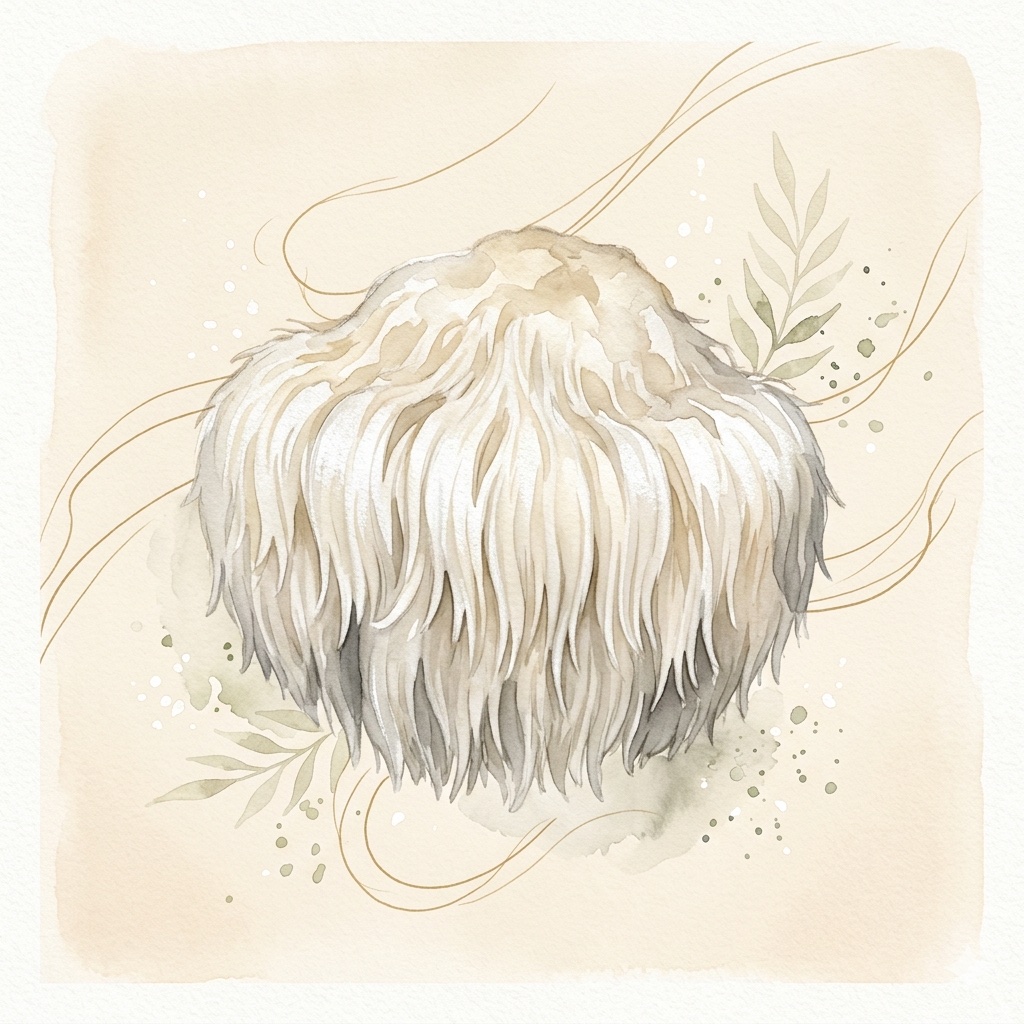
Lion's Mane (Hericium erinaceus)

Primary bioactives: Hericenones (fruiting body), erinacines (mycelium), beta-glucans.

The beta-glucans provide baseline immune modulation, but Lion's Mane's distinctive mechanism is the hericenones and erinacines — small molecules that cross the blood-brain barrier and stimulate Nerve Growth Factor (NGF) synthesis. This is what separates Lion's Mane from every other functional mushroom: it targets the nervous system specifically, supporting neuroplasticity and myelin integrity rather than primarily acting on immune function.

Extraction note: Hot water extraction captures beta-glucans well. Hericenones are partially alcohol-soluble; dual extraction captures the full spectrum. For cognitive applications specifically, fruiting body sourcing matters most — erinacines are in the mycelium, but hericenones (the primary NGF stimulators in human research) are concentrated in the fruiting body.

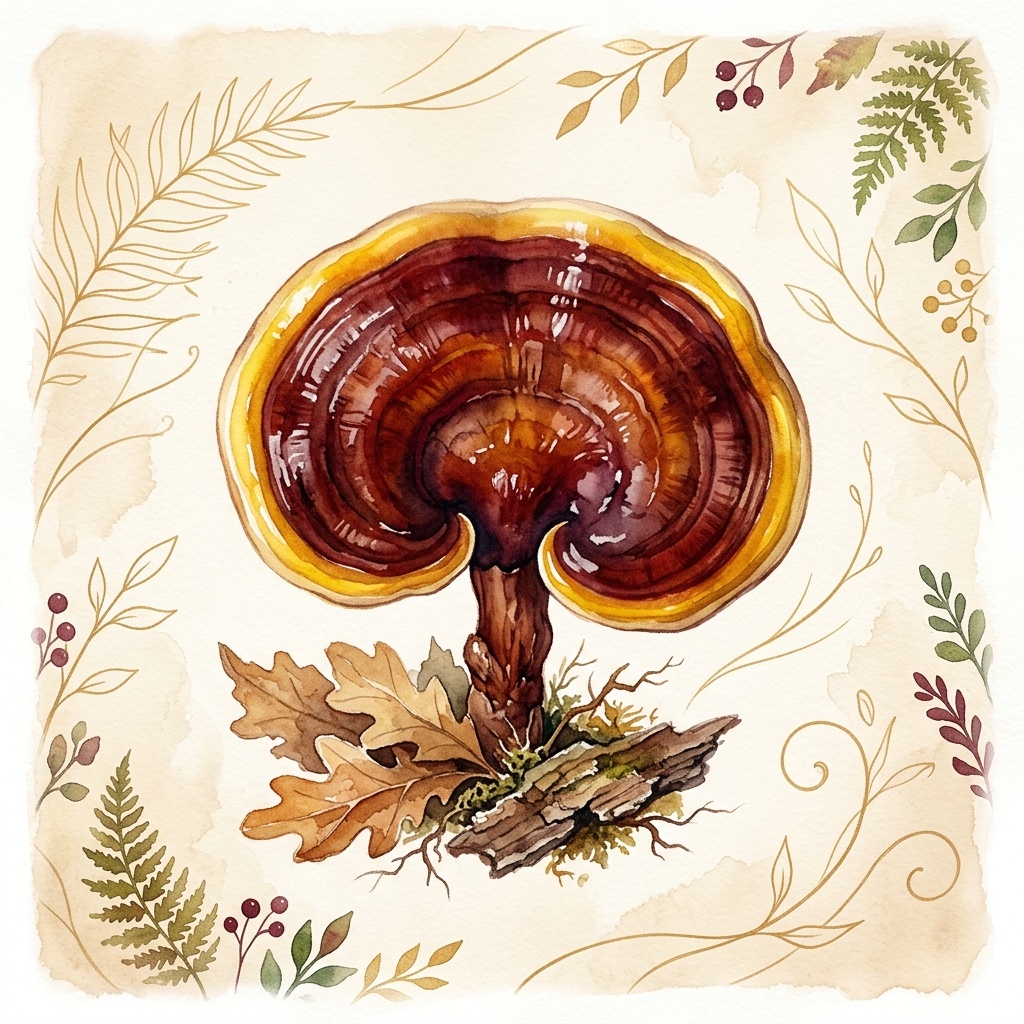
Reishi (Ganoderma lucidum)

Primary bioactives: Beta-glucans, ganoderic acids (triterpenes), polysaccharide peptides.

Reishi has the most compound-diverse activity of the major functional mushrooms. The beta-glucans drive immune modulation via Dectin-1. The ganoderic acids — over 100 identified triterpenes — show GABAergic activity (sleep support), anti-inflammatory effects via COX inhibition, and some evidence for liver-protective function. The polysaccharide peptides have additional immunomodulatory activity distinct from the beta-glucan pathway.

Extraction note: Dual extraction is essentially required for Reishi to capture both the triterpene and polysaccharide fractions. Hot-water-only Reishi extracts will have limited ganoderic acid content and will underperform on the sleep and inflammatory applications.

Chaga (Inonotus obliquus)

Primary bioactives: Beta-glucans, betulinic acid, melanin, superoxide dismutase (SOD).

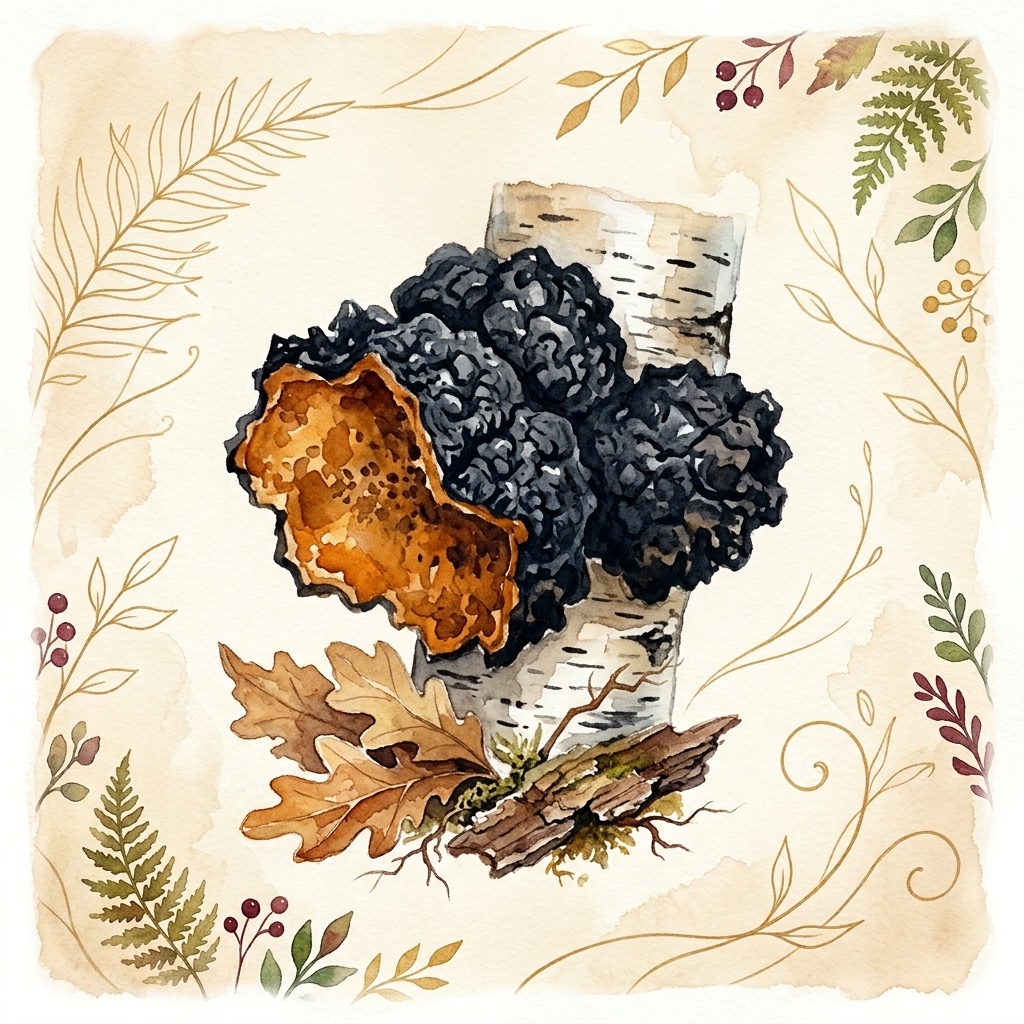
Chaga is technically a parasitic fungus (it grows on birch trees) rather than a classic mushroom, which gives it access to the birch tree's triterpene compounds — particularly betulinic acid, derived from betulin in the bark. Betulinic acid shows significant antioxidant and anti-inflammatory activity. Chaga also contains the highest known concentration of superoxide dismutase among food sources — an endogenous antioxidant enzyme that neutralizes superoxide radicals. Its melanin content contributes additional antioxidant capacity and some evidence for DNA-protective effects.

Extraction note: Hot water extraction for beta-glucans and SOD. Alcohol or dual extraction for betulinic acid and other fat-soluble triterpenes. Wild-harvested Chaga from birch forests contains significantly higher betulinic acid than cultivated Chaga (which often lacks the birch-derived compounds entirely).

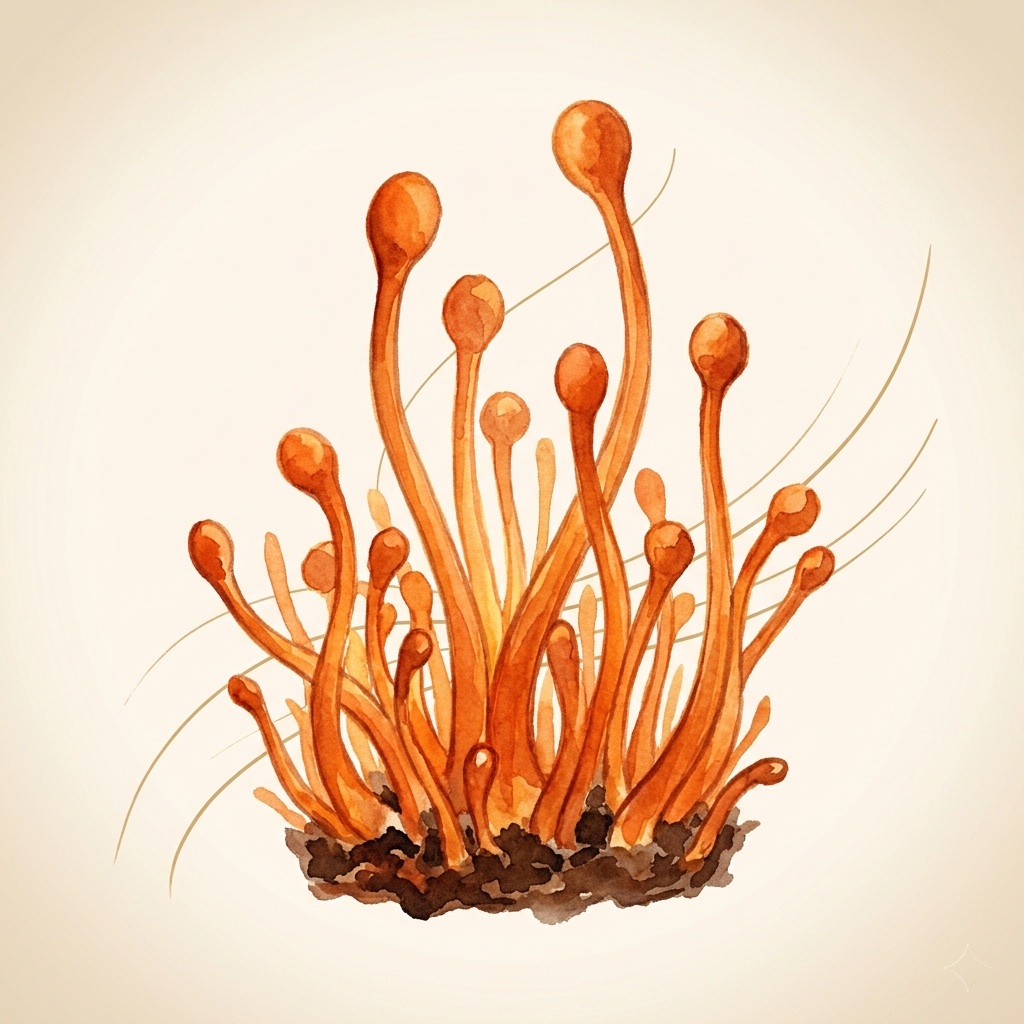
Cordyceps (Cordyceps militaris / Sinensis)

Primary bioactives: Cordycepin, adenosine, beta-glucans, polysaccharides.

Cordyceps operates primarily through cordycepin (3'-deoxyadenosine) — a modified adenosine analogue. Adenosine is a direct precursor to ATP and a key regulator of cellular energy metabolism. Cordycepin's structural similarity to adenosine allows it to interact with adenosine receptors and modulate purinergic signaling, supporting oxygen utilization and ATP synthesis efficiency — which is the mechanistic basis for the aerobic capacity and endurance effects in athletic research.

A note on species: Most commercial Cordyceps products use Cordyceps militaris (cultivated) rather than Cordyceps sinensis (the wild Himalayan species used in traditional medicine, which is extraordinarily expensive and frequently adulterated). C. militaris contains cordycepin in comparable or higher concentrations than wild C. sinensis and is the species used in most modern clinical research.

Extraction note: Hot water extraction for polysaccharides. Cordycepin is water-soluble and well-captured by hot water extraction. Dual extraction adds additional minor actives.

Turkey Tail (Trametes versicolor)

Primary bioactives: PSK (polysaccharide-K / krestin), PSP (polysaccharide-peptide), beta-glucans.

Turkey Tail's most clinically documented compounds are PSK and PSP — protein-bound polysaccharides with particularly well-characterized immunomodulatory effects. PSK has the most extensive human clinical data of any mushroom compound, having been used as an approved adjunctive cancer therapy in Japan since the 1980s. Its mechanism involves activation of both innate and adaptive immunity — stimulating NK cell activity, macrophage function, and T-cell responses through Toll-like receptor signaling in addition to Dectin-1.

Turkey Tail also shows prebiotic-like effects on the gut microbiome — PSK and PSP selectively promote the growth of beneficial bacterial populations, connecting the mushroom's immune effects to the gut-immune axis.

Extraction note: Hot water extraction is effective for PSK and PSP, which are water-soluble. This is one species where a quality hot-water extract captures most of the relevant bioactives without requiring dual extraction.

Reading a Mushroom Label: The Practical Checklist

Given everything above, here's what to actually look for:

1. Fruiting body specified. If it says "mycelium" or doesn't specify, assume grain contamination.

2. Beta-glucan percentage from third-party testing. Not "polysaccharides" — beta-glucans specifically. A quality fruiting body extract should show 20–40%+ beta-glucans depending on species. Under 10% is a red flag.

3. Extract ratio. A 10:1 extract means 10kg of raw mushroom was concentrated into 1kg of extract. Raw powder has no concentration step.

4. Extraction method disclosed. Hot water, alcohol, or dual. If it's not disclosed, ask. For Reishi especially, this matters.

5. No grain fillers. Check the full ingredient list for brown rice, oats, or "myceliated grain."

6. Third-party COA available. A reputable brand will provide a certificate of analysis showing beta-glucan content from an independent lab.

The functional mushroom category contains some of the most scientifically interesting compounds in the supplement world. It also contains some of the most aggressively mislabeled products. The gap between a high-quality extract and a bag of mushroom-flavored grain powder is real — and the way to close it is to understand what you're actually looking for.


Functional Mushrooms in the Nomad Stack

If immune resilience, cognitive performance, or sustained energy are your primary wellness goals, functional mushrooms are a core part of how we approach them.

[[ INSERT STACK NAME + LINK ]]


References

  1. Wasser SP. "Medicinal mushroom science: Current perspectives, advances, evidences, and challenges." Biomedical Journal, 2014.
  2. Brown GD, Gordon S. "Immune recognition of fungal beta-glucans." Cell Microbiology, 2005.
  3. Tsang KW, et al. "Cordyceps sinensis enhances T lymphocyte function." Life Sciences, 2002.
  4. Akramiene D, et al. "Effects of beta-glucans on the immune system." Medicina, 2007.
  5. Guggenheim AG, et al. "Immune Modulation From Five Major Mushrooms." Integrative Medicine, 2014.
  6. Benson KF, et al. "The mycelium of the Trametes versicolor (Turkey tail) mushroom and its fermented substrate each show potent and complementary immune activating properties in vitro." Integrative Cancer Therapies, 2019.

Earn Free Products

Stack subscribers earn free products by referring friends

Learn more about stacks

*Referral Program: Share your unique link with friends. When a friend subscribes to a stack using your link and completes 2 consecutive shipments, you earn 1 product credit. Each credit is worth the median price of products in your current stack and can be redeemed for any product in our catalog — added as a bonus item to your next shipment. Credits have no cash value and cannot be transferred. Nomad Nutrients reserves the right to modify or discontinue the referral program at any time.

Founder’s Story

Tanner, Chief Mushroom Officer

"Hi, I'm Tanner, Chief Mushroom Officer at Nomad Nutrients. I built this for people like me—optimizers who want a flexible, all-in-one supplement stack without the hassle. Build yours, dial it in, and keep exploring."

— Tanner

Chief Mushroom Officer